









There was a time when most Americans expected heavy security only at courthouses, airports, prisons, and military bases.
That line has moved.
Today, cameras watch gas stations, parking lots, schools, churches, malls, neighborhoods, highways, apartment buildings, and even quiet country intersections. Drones appear over public events, police scenes, search areas, and large gatherings. Armed security stands at grocery stores, hospitals, banks, private developments, and entertainment venues.
Many people barely notice it anymore.
That may be the most important part.
A prepper should notice. The goal is not panic. The goal is awareness. The world is changing, and the prepared household needs to understand what constant observation means for privacy, movement, and living low profile.
1. Everyday Spaces Are Being Watched
Surveillance used to feel obvious. You saw a guard booth, a badge, a fence, or a camera mounted in plain sight.
Now it blends into ordinary life.
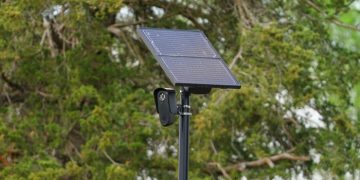
A license plate reader may be mounted near a neighborhood entrance. A store camera may track movement through every aisle. A doorbell camera may record the sidewalk. A drone may arrive before a patrol car. A private security guard may carry a sidearm in a place that used to have no visible security at all.
Each piece may have a reasonable explanation. Theft is up in some places. Police departments want faster information. Stores want to protect employees. Neighborhoods want to stop car break-ins. Event organizers want crowd control.
Still, the result is clear. More daily movement is recorded, stored, and reviewed than ever before.
2. Privacy Now Requires Attention
Privacy used to happen naturally. Today, privacy requires habits.
That does not mean a person needs to act suspicious or hide from lawful authority. It means he should stop giving away more information than necessary.
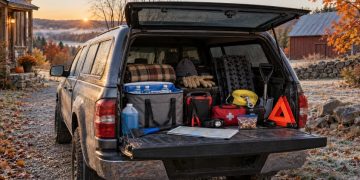
A prepper should think carefully about what his routines reveal. Where he buys supplies. How often he loads bulk goods into the truck. What he posts online. Whether his home layout, tools, storage shelves, firearms, generator, or garden are visible in photos. Whether his vehicle advertises his politics, gear, or preparedness mindset.
Low profile living starts with not making yourself interesting.
The man who broadcasts everything he owns, believes, stores, and fears has already weakened his privacy.
3. Cameras Change Movement
A camera does not stop you from moving, but it changes the record of where you have been.
Gas stations, stores, parking lots, intersections, toll roads, office buildings, and neighborhoods can all leave a trail. During normal times, most of that trail may never matter. During civil unrest, a crime investigation, a family dispute, a lawsuit, a protest, or a local emergency, old movement can suddenly become relevant.
That reality should shape simple decisions.
Use clean, ordinary routines. Avoid risky places when you can. Do not linger near trouble. Be careful where you park. Keep your vehicle legal and boring. Do not draw attention with tactical gear, aggressive decals, unsecured tools, or visible valuables.
The best low profile movement looks normal because it is normal.
4. Drones Add A New Layer
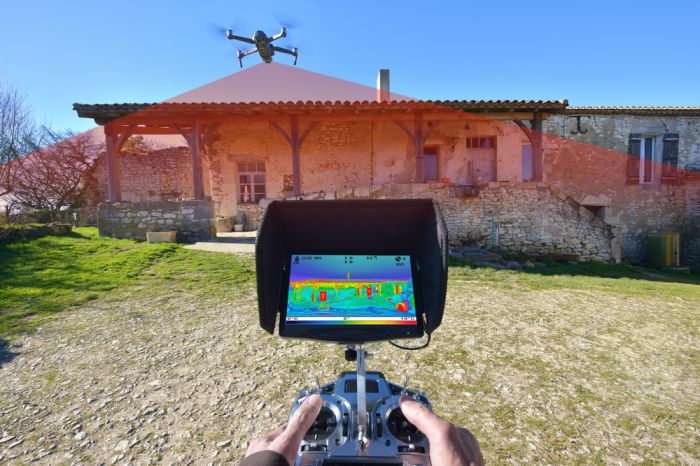
Drones change the old idea of privacy because they bring a camera into the air.
They can be useful. They help find missing people, assess disaster zones, support fire crews, and give police a safer view of dangerous scenes. Those uses are real.
They also raise serious questions.
A drone can see over fences, across yards, into open spaces, and through areas people once assumed were private enough. It can follow movement from above. It can watch a crowd, a roadblock, a fire scene, or a neighborhood after a call.
A prepper should respond with maturity.
Do not interfere with drones. Do not shoot at them. Do not assume every drone is illegal. Learn local rules. Keep sensitive work under cover when reasonable. Do not spread your supplies in the open driveway. Do not turn your backyard into a public display of your preparations.
Again, the point is simple. Stay lawful. Stay ordinary. Stay harder to profile.
5. Armed Security Changes The Atmosphere
Armed security in everyday places tells you something about the times.
A store that once had a teenager at the entrance may now have a guard. A hospital may have controlled access. A church may have a safety team. A mall may have patrols. A grocery store may lock certain items and watch exits closely.
That does not always mean danger is present. It does mean the people responsible for those places believe risk has increased enough to justify a stronger posture.
A prepper should read that signal.
If a place suddenly adds armed guards, bag checks, cameras, or controlled entry, ask why. Is theft rising? Are assaults happening? Has the area changed after dark? Are homeless camps, drug activity, or fights moving closer? Are police response times poor?
Security presence is a clue. Treat it as local intelligence.
6. Low Profile Prepping Matters More Now
Preparedness has become easier to spot.
A man wearing tactical clothing, driving a sticker-covered truck, filming every bulk purchase, and talking loudly about collapse is making himself visible. That visibility may feel harmless in good times. In bad times, it can attract thieves, desperate neighbors, hostile attention, or unnecessary official curiosity.
A low profile prepper looks like an ordinary responsible citizen.
He buys steadily instead of dramatically. He stores quietly. He loads supplies without making a scene. He keeps his home maintained, his yard normal, and his vehicle plain. He avoids public arguments. He does not brag about weapons, food storage, cash, generators, or retreat plans.
The strongest preparation often happens without an audience.
7. Digital Habits Matter Too
Surveillance is not only physical.
Phones, apps, payment records, social media, smart cameras, vehicle systems, online orders, and location services all create patterns. A prepper does not need to become paranoid about technology, but he should be honest about what it records.
Simple habits help.
Use strong passwords. Lock your phone. Keep private information off public posts. Think before sharing photos from inside your home. Review app permissions. Limit location sharing. Avoid posting travel plans in real time. Keep family security details out of online conversations.
Digital discipline is part of modern OPSEC.
8. Teach Your Family Calm Awareness
A household should understand the new environment without becoming fearful.
Teach children not to overshare family details. Teach teenagers that photos reveal backgrounds, locations, vehicles, and routines. Teach everyone to behave calmly around security, police, cameras, and checkpoints. Arguing with a guard or filming every tense moment may create more trouble than it solves.
Awareness should make the family steadier, not jumpier.
The goal is to move through public spaces with clean judgment. Notice exits. Notice cameras. Notice security. Notice crowds. Notice when a place feels wrong. Then act early and quietly.
9. Do Not Confuse Visibility With Safety
More cameras and guards may reduce some crimes. They may also create a false sense of safety.
A camera records. It does not always prevent. A guard may deter. He cannot be everywhere. A drone may observe. It may arrive after the first danger has already started.
Your family still needs its own awareness.
Lock the car. Watch your surroundings. Avoid bad timing. Stay out of crowds that are turning unstable. Keep fuel in the vehicle. Have a meeting plan. Carry basic supplies. Know your route home. Leave early when the mood changes.
Preparedness remains personal.
10. The New Rule Is Quiet Competence
The old America had more unobserved space. The new one has more cameras, drones, scanners, guards, and data trails.
A wise prepper adjusts.
He does not panic. He does not perform. He does not make himself a spectacle. He lives lawfully, moves carefully, protects his privacy, and keeps his preparations ordinary enough to avoid attention.
That is quiet competence.
In a watched world, the low profile household has an advantage. It owns what it needs, knows where it is going, says less than it could, and keeps enough discipline to pass through daily life without standing out.
That may become one of the most useful survival skills of all.
Others Are Watching Now:

































At least, in South Carolina you can open carry (conceal carry also). The more of us that do so, the less criminals and thugs (uniformed ones too) are likely to assault peaceful citizenry.
In nations that force their people to be unarmed, criminals have a field day. look at Nigeria and most all the “Islamic” republics. They are anything but nations of free people. There the thugs are adherents to a “religion of peace” that freely rapes, plunders and enslaves those who chose not to follow Islam. That kind of crap would not happen if the victims could return fire. Thank God, for the 2nd Amendment!
Operational Security – Can it be counter productive for you? I see total isolation possible and self-sufficiently a rare and possible capability, but all I know touting no one knowing they are into preparedness lives among some population. That means skills and resources worthy of barter, but once your secrets are out and spreads (and it will), you’ve sabotaged your secrets, so what’s the answer? No barter? Pick one. I intend to barter.