










Preparedness attracts a certain kind of person. It calls to the man who notices weak points, to the mother who thinks ahead, and to the family that would rather act now than regret later. That instinct is healthy. In uncertain times, a pantry, a water plan, and a few hard-earned skills are signs of responsibility.
But preparedness carries its own danger when it is not kept in order.
A person can become so focused on future threats that he slowly stops living in the present. He may still go through the motions of daily life, but his mind remains fixed on shortages, blackouts, layoffs, unrest, and every new crisis on the horizon. He reads more warnings than wisdom. He stores more supplies than peace. He talks so often about what may happen tomorrow that he no longer enjoys what God has already placed in his hands today.
That is a problem worth confronting.

1. Preparedness Needs A Healthy Center
The prepper who wants to endure for the long haul needs something stronger than supplies. He needs balance. He needs gratitude. He needs rest. He needs the ability to stay present in his own home while still taking the future seriously.
That balance is maturity.
The strongest households are rarely the loudest. They tend to be the steadiest. They put food back. They pay attention to the world. They make practical plans. But they also sit down together, enjoy ordinary meals, laugh with their children, tend the garden with a quiet mind, and give thanks for the day in front of them. They understand that preparation is meant to protect life, not overshadow it.
2. Fear Changes The Atmosphere Of A Home
This matters because fear has a way of spreading through a house.
A father may think he is simply being vigilant, but his wife hears constant strain in his voice. His children begin to notice that every conversation somehow turns back to danger. A mother may tell herself she is being realistic, but if she cannot rest, her household learns tension from her example.
Children in particular are sharp readers of atmosphere. They know when the adults around them are calm. They know when the home feels steady. They know when every news alert seems to pull the family deeper into unease.
A house full of supplies and a family full of dread is not a strong position.
3. Contentment Is A Form Of Resilience
Contentment is one of the most practical survival assets a prepper can have because it keeps the mind from becoming a servant to future threats.
A content man is harder to manipulate. He does not chase every panic. He does not mistake noise for wisdom. He does not buy foolishly just because somebody online says the end is next Tuesday. He sees clearly because he is not constantly driven by fear.
That kind of clarity becomes a form of resilience.
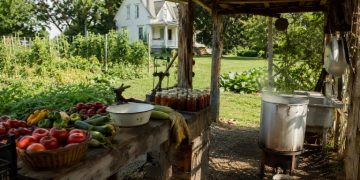
It also gives a prepper something many people in this culture have lost: the ability to recognize what is already good. A roof that does not leak. A healthy child. A stocked shelf. A spouse who still believes in the mission. A few quiet acres. A warm meal. A repaired fence. A row of beans coming up in the garden. These things matter.
A man who cannot stop long enough to be thankful for them will never feel secure, no matter how much he stores.
4. Gratitude Keeps A Prepper Grounded
Gratitude steadies preparedness.
It reminds a family that they are not simply bracing for disaster. They are building and protecting a life worth preserving.
That is one reason simple daily habits matter so much. A balanced prepper does not wait until burnout sets in before changing course. He builds patterns that keep him rooted in the present. He limits how much bad news he consumes. He gathers the information he needs, acts where action makes sense, and then returns to the duties of the day.
He does not hand every hour over to headlines and rumors.
A good habit is ending the day by naming what is good and already in hand. The freezer is full. The tomatoes are coming in. The generator starts. The children are safe. The bills are paid. The Lord has been kind.
That kind of practice resets the mind.
5. Ordinary Routines Create Stability
Preparedness works best when it is woven into normal life.
That means gardening should feed the pantry and calm the mind. Home maintenance should strengthen the house and remind a family to care well for what they already have. Cooking from storage should build readiness and keep family meals alive. Skills practice should make a household more capable without making every weekend feel like a state of emergency.
This is where many preppers lose balance. They start treating every task as if collapse is already underway. Over time that wears people down.
Ordinary routines matter because they keep preparedness sustainable. The family can live with them. Children can grow up inside them. A spouse can support them without feeling like the home has become a constant emergency exercise.
6. Rest Is Part Of Serious Preparation
Many serious preppers struggle with rest because they have convinced themselves that every idle moment is wasted time.
But exhaustion is expensive.
A tired man makes sloppy decisions. A worn-down mother loses patience more quickly. A person who never steps back loses perspective. Even the best tools wear out without maintenance. Human beings are no different.
Real preparedness includes sleep, quiet evenings, a day of worship, a walk with the family, and enough margin in the week to think clearly. Rest gives the mind room to reset. Prayer gives the heart room to settle. Silence gives a person space to remember that not every hour must be spent anticipating the next threat.
A well-rested prepper is more useful than an anxious one.
7. Faith Places Preparedness In Order
Faith matters because it keeps preparedness in its proper place.
It teaches responsibility without worshiping control. It teaches caution without surrendering to panic. It teaches that a man should work hard, plan wisely, and protect his household while also remembering that he is not sovereign over the future.
That truth gives a prepper freedom.
He can do the work that belongs to him today without trying to carry every possible tomorrow at once.
Even for those who do not frame it in openly religious terms, the principle still stands. A healthy mind needs stillness. A healthy family needs presence. Children need to see adults who can prepare seriously and still be fully with them.
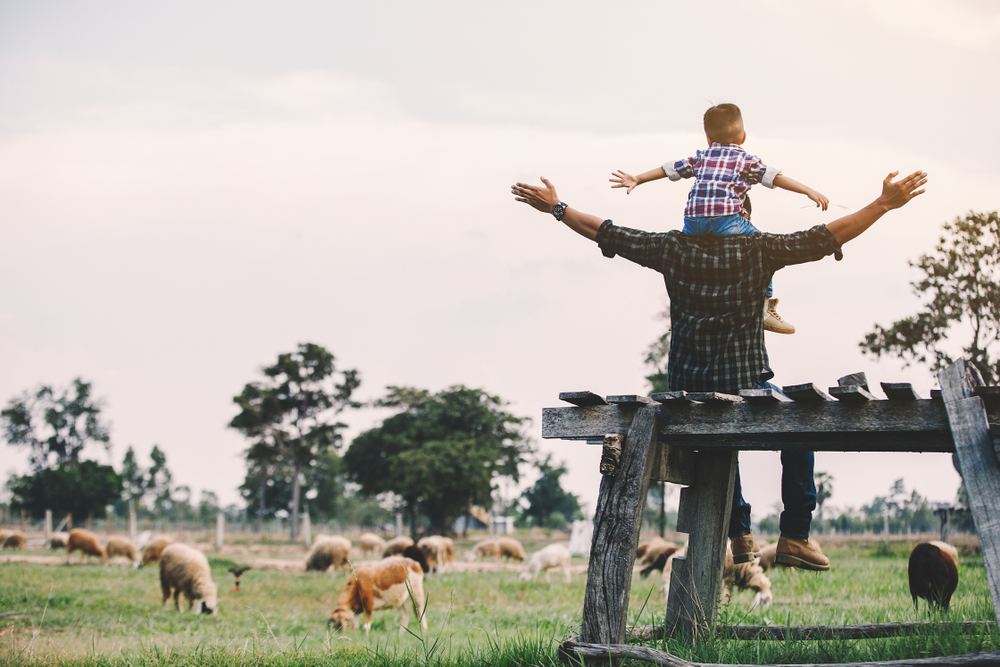
A son should remember his father checking the generator, but he should also remember him laughing at the supper table. A daughter should remember her mother organizing supplies, but she should also remember her kneeling in the garden, grateful for rain.
8. Presence Is One Of The Most Overlooked Skills
The ability to be where you are, to notice what is good, to give full attention to the people in front of you, and to do the next needed task without dragging tomorrow’s fear into every room is a real strength.
It makes a home calmer. It makes decisions better. It makes long-term preparedness possible.
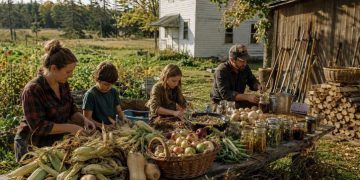
A present man can stack firewood and still hear what his son is trying to tell him. A present mother can rotate pantry goods and still enjoy the simple work of feeding her family. A present household can take the future seriously without becoming trapped inside it.
That kind of steadiness is a skill, and like other skills, it grows with practice.
9. The Best Prepared Life Is Still A Life
In the end, the prepared life should still be a life.
It should have work in it, and warning, and discipline. But it should also have contentment. It should have gratitude. It should have worship, laughter, rest, and enough peace that the family remembers what all the effort was for in the first place.
A wise prepper stores for the future.
A wise prepper also knows how to live today.
Others Are Watching Now:














































Incongruency – The email for this came with the subject, link and topic: “Why The Calmest Preppers Survive The Longest.” yet the actual topic is: Balancing Preparedness With Contentment In The Present.
I was thinking I’d read about personality types regarding survival situations and the Alpha male versus the deliberate thinker. Well, it would have been a worthy topic.
Regarding having less preparedness before it’s needed, the “balancing,” I advocate full utilization of the remaining good times in which preparedness is still possible for preparedness for change as opposed to “emergency preparedness,” as the two are also totally different subjects that are often conflated. The difference is another worthy topic because one is not a substitute for real preparedness.