






















We have spent generations trying to take the bitterness out of food.
We sweeten grapefruit. We tame salad greens. We breed vegetables milder every decade. We pull dandelions out of the lawn and throw them in a bag.
Older generations would have looked at those same plants very differently.
One of the better reminders of that comes from the Passover table. The bitter herbs, or maror, are eaten to remember the bitterness of slavery in Egypt, and depending on the tradition horseradish, romaine lettuce, or endive may be used. The meaning there is religious first and foremost, and I am not going to rewrite that history by pretending the Seder plate was assembled as a medicine cabinet. It was not.
But something alongside it is still interesting.

A great many of the bitter plants people ate historically were also the plants traditional herbalists reached for when appetite was poor or digestion felt sluggish. The same leaves turn up in both places.
That overlap is worth remembering.
We Used To Value Bitter Food
Sweetness tells the tongue that energy may be arriving. Bitterness sends a more complicated signal, and we have largely decided we would rather not receive it.
Humans carry bitter-taste receptors in the mouth and throughout the digestive system. One longstanding theory behind traditional bitters is that tasting bitter compounds helps trigger salivation and other digestive responses before and during a meal. Researchers are still working out how much those effects actually matter in people.
The evidence is nowhere near as tidy as old herbal books make it sound. A modern systematic review found inconsistent results when researchers tested bitter compounds for their effects on appetite, food intake and digestive hormones.
So I do not call a bowl of bitter greens a cure for anything.
I look at them as foods with a long history of digestive use, some plausible biology behind them, and an obvious place in a more varied diet. That is reason enough for me to grow them.
There is also a simpler explanation for where the bitterness went. Bitter compounds are often part of how a plant defends itself, and commercial breeding has spent a century selecting for the mildness shoppers say they prefer. Nobody decided to remove bitterness from the human diet. We just kept buying the milder one.
Horseradish
Horseradish is the one nobody forgets after taking too large a bite. Freshly grated root will clear your nose and bring tears to your eyes before you have finished chewing.
For many Ashkenazi Jewish families, horseradish became a familiar choice for maror, in large part because the root stored well through a long Eastern European winter when fresh bitter greens simply were not available.
It is also one of the easiest useful perennial roots I know.
Give horseradish reasonably deep soil and a sunny spot and it will become more enthusiastic than you intended. Pieces of root left in the ground grow again, so I would put it somewhere I do not mind it staying permanently, or keep it in a large container where it cannot wander.
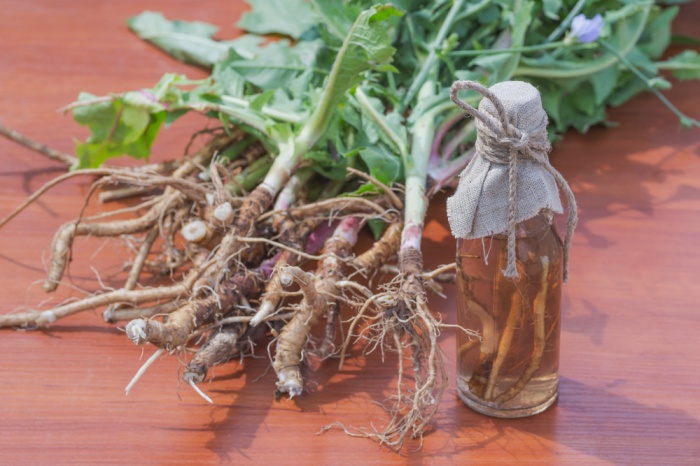
The root is the valuable part. I harvest mature roots while the plant is dormant, clean them, and grate only what I need, because freshly grated horseradish is far stronger than the jars most people know from the store.
A little mixed with vinegar makes a condiment for beef, potatoes, eggs or fish. You genuinely do not need much.
That pungency is part of what made it useful. A sharp flavor can wake up a plain meal built entirely from ordinary stored food, which is not a small thing if you are eating out of the pantry for a while.
Chicory
Chicory seems to have lived several lives.
The leaves can be eaten. The roots can be roasted and ground. And the root carries a long history as a digestive bitter.
The European Medicines Agency recognizes traditional use of chicory root for mild digestive complaints such as fullness, flatulence and slow digestion, along with temporary loss of appetite. That recognition rests on longstanding traditional use rather than strong modern clinical trials, and the distinction matters to me.
Traditional knowledge can point us toward useful plants without handing us permission to overstate what has actually been established.
Chicory grows easily enough from seed. It puts down a deep taproot, so I give it loose soil and stop moving it around.
Young leaves go into salads. Mature leaves get considerably more bitter, which is precisely why most modern eaters push them aside. I mix a little chicory through milder lettuce rather than facing a whole bowl of it.
The root is the other half of the plant. Dug, cleaned, sliced, roasted and ground, it has served for generations as a coffee substitute and extender, which is how it ended up in New Orleans coffee and in a great many wartime kitchens. For anybody thinking about preparedness, a hot drink you can grow yourself and that contains no caffeine is a genuinely useful thing to know how to make.
Our ancestors found a use for both ends of this plant, which is the whole pattern in miniature.
Dandelion
This is probably the bitter plant most Americans already own. They just spend money every spring trying to kill it.
Dandelion leaves are edible, and the young spring leaves are generally milder than the big coarse ones that come later. I like them mixed through other greens, sautéed, or added in small amounts to soups and egg dishes.
The roots have their own traditional history. EMA’s herbal monograph lists dandelion root as a traditional herbal medicine used for mild digestive complaints and temporary loss of appetite. Again, that is a traditional-use designation, not evidence that dandelion treats serious digestive disease.
Growing dandelions requires essentially no instruction. Getting rid of them is the hard part.
But if I am growing them deliberately for food, I treat them completely differently from lawn weeds.
I keep them away from herbicides. I do not harvest beside a busy road. I avoid anywhere dogs regularly go. And I make absolutely certain I know what I am gathering before I eat any wild plant, which is a rule that does not bend.
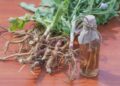
The taproot can be harvested, cleaned, and used fresh or dried. The flowers are edible too.
What still amazes me is that one of the most hated plants in the American lawn is a plant our ancestors used as food over and over again.
Endive
Endive sits much closer to the Passover story. It is among the plants commonly accepted for maror, though there has long been discussion over the identification of some of the ancient names for the permitted bitter vegetables.
As food it fits into a modern kitchen far more easily than people expect.
It can be eaten raw, wilted, braised, or dropped into soup, and it brings a meal a kind of bitterness most of us simply never encounter any more.
It grows much like other leafy greens. I sow it in cooler weather, since real heat makes greens bolt and toughen, and I pick leaves while they are still in good condition. Gardeners have also traditionally shaded or covered bitter greens as they mature to moderate the flavor, which strikes me as the right instinct. Manage the bitterness rather than breed it out entirely.
That is how I think bitter food works best. It does not need to dominate the meal.
It just needs to be on the table.
Bitterness May Be Part Of What We Lost
I wonder sometimes whether our diets narrowed without any of us noticing it happen.
Sweet. Salty. Fatty. Then more sweet.
Older kitchens held stronger flavors than that. Mustard greens, horseradish, chicory, dandelion, endive, fermented vegetables, sharp herbs. Food was not expected to taste like dessert before anybody would call it good.
Those plants had another quality worth noticing. They encouraged people to eat whatever grew easily around them. A dandelion needed no greenhouse. Horseradish could stay in the ground until it was wanted. Chicory gave up both leaves and roots.
From a preparedness standpoint, those are exactly the plants that interest me.
Grow Them Before You Need Them
I would not wait for a food shortage to start developing a taste for bitter greens. That is the worst possible moment to find out your family will not eat something.
So start small. Plant chicory. Give horseradish a permanent corner. Leave one clean patch of dandelions untreated. Put endive in beside the lettuce.
Then find out how your household actually likes eating them. Mix young bitter leaves through mild lettuce. Add chopped dandelion to eggs. Keep horseradish beside the meat. Braise the endive.
Experiment while the grocery store is still open and a failed dinner costs you nothing.
That is how a useful food becomes a normal food.
Do Not Turn Food Into A Pharmacy
There is one mistake here I would steer well clear of.
A plant having traditional medicinal use does not mean more of it is automatically better. Concentrated herbal preparations can behave very differently from a few leaves eaten with dinner, and that difference is where people get into trouble.
Medical conditions, pregnancy, allergies, gallbladder problems and prescription medications can all matter a great deal once somebody starts taking herbs therapeutically rather than eating them.
So I keep the line clear. If I am eating dandelion or chicory as food, I treat it as food. If I wanted to use concentrated herbal preparations for an actual medical problem, that is a different conversation and it belongs with somebody qualified to have it.

The Old Table Had More Than Calories On It
That is what genuinely interests me about these plants.
The bitter herb on a Passover table carries a meaning far deeper than nutrition. It is there to make people remember something painful, and it does not need any help from me to justify its place.
But outside that ritual meaning, bitter greens also belonged to an older food culture that understood plants in several ways at once.
- A plant could be dinner.
- It could be preserved.
- It could be a traditional household remedy.
- It could grow with almost no help at all.
- Sometimes it was all of those things together.
Today we spray some of those same plants with weed killer and then buy digestive supplements in plastic bottles. I am not convinced that is progress in every direction.
I would rather know the bitter plants growing around me, understand what tradition claimed for them, understand what the evidence actually supports, and keep a few of them in the ground.
Sometimes the weed at the edge of the garden is only a weed because we forgot what to do with it.
Others Are Watching Now: