























A prepper understands dependence.
If your family depends on one store, one bank, one road, one power source, or one supply chain, you are easier to trap when that system fails. The same rule applies to identity and records.
Most Americans now live inside a growing web of digital accounts, phone apps, government portals, medical databases, banking systems, cameras, payment records, and online verification checks. Much of it is convenient. Some of it is necessary. All of it creates a trail.

That is why digital ID, centralized records, and tracking should matter to preppers. This is about more than privacy. It is about movement, access, resilience, and the ability to function when systems fail or start saying no.
Digital ID Depends On The System Working
Digital ID sounds simple. Instead of carrying a paper card or physical document, you prove who you are with a phone, app, QR code, online login, or biometric check.
That may work well on a normal day.
But what happens when your phone is dead? What happens when the app will not load, the server is down, your account is locked, or the record is wrong?
A paper document in your hand works without a battery. A digital identity usually depends on a device, a network, software, an agency, and a database. If one part breaks, access can break with it.
A prepper should never let convenience become his only path.
Centralized Records Create Bigger Problems
Centralized records are sold as efficient.
One connected file can link your license, address, taxes, medical records, benefits, banking, insurance, travel, and online accounts. That can make life easier in some ways. It can also make one mistake more powerful.
If the wrong address spreads through several systems, you may spend weeks fixing it. If a medical record is wrong, it may follow you. If an identity file is compromised, the damage may reach many parts of your life at once.
A prepper should think about hackers, but also about bad data, lockouts, outages, and policy changes.
The more life runs through one gate, the more important that gate becomes.
Tracking Turns Life Into A Pattern
One purchase does not reveal much.
A pattern reveals a lot.
Where you buy fuel. Which pharmacy you use. What food you store. Which roads you drive. What time you leave home. Which church you attend. Which tools, books, filters, radios, seeds, and spare parts you order.
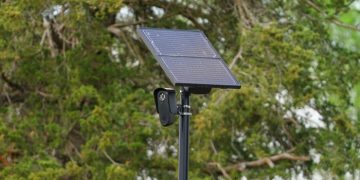
Cards, apps, phones, cameras, license plate readers, loyalty programs, smart devices, and online accounts all create trails. In calm times, nobody may care. In hard times, patterns can be used to profile, price, pressure, deny, or expose you.
Low profile prepping starts with reducing unnecessary patterns.
Privacy Is Normal
Privacy is not criminal. Discretion is not paranoia.
There is nothing strange about wanting fewer people to know what you own, where you go, what you store, how much cash you keep, what medicine your household uses, or when your home is empty.
Older generations understood this naturally. They did not broadcast every purchase, trip, opinion, and family weakness to strangers.
Modern life pushes people to overshare. A prepper has to push back.
Keep Physical Documents
The first step is simple.
Keep paper copies of driver licenses, passports, birth certificates, marriage records, insurance policies, vehicle titles, deeds, medical summaries, prescriptions, emergency contacts, and key account information.
Store them in a waterproof folder. Keep a second set in another safe place. Carry physical ID when traveling, even if you also use a digital version.
Do not assume every office, checkpoint, clinic, bank, or airport will accept an app when you need it most.
Paper still matters when batteries die.
Clean Up Your Phone
Most people have too many apps.
Every app is a possible tracker, leak, or attack point. Delete what you do not use. Turn off location access unless it is truly needed. Deny access to contacts, photos, camera, microphone, and Bluetooth when possible.
Use a strong phone passcode. Keep the phone updated. Avoid logging into everything through one social media account.
Keep your phone useful, but do not let it become an open file cabinet for your whole life.
Separate Important Accounts
Do not connect everything just because the system invites you to.
Use separate email addresses for different purposes. One for banking and serious accounts. One for shopping. One for newsletters and low-value signups.
Use strong, unique passwords. Keep emergency contacts printed. Avoid storing photos of your pantry, gun safe, documents, and home layout in places that sync automatically.
Separation limits damage.
If one account is exposed, it should not open the door to everything else.
Use Cash And Local Trust
Digital payments are convenient, but they create records and depend on working systems.
Keep some cash at home in reasonable amounts. Use cash for some local purchases. Build relationships with nearby farmers, mechanics, tradesmen, church members, and neighbors.
This does not mean abandoning banks. It means keeping options.
A family that can only buy, sell, travel, and communicate through digital systems is fragile. A family with cash, paper records, local trust, and practical skills has more room to move.
Check Your Records Now
Do not wait for a crisis to discover your records are wrong.
Check credit reports. Review medical records for major errors. Make sure your name, address, beneficiaries, insurance details, property records, vehicle titles, and emergency contacts are correct.
Bad data becomes harder to fix under pressure.
Clean records are part of preparedness.
Stay Functional, Stay Hard To Profile
The goal is not to live outside every system. Most families still need banks, licenses, insurance, medical care, phones, taxes, and online accounts.
The goal is to stay functional without becoming helpless.
Use digital tools where they help. Keep physical backups where they matter. Limit unnecessary sharing. Avoid tying every part of your life to one account, one phone, or one provider.

A prepper does not reject every modern tool. He refuses to let those tools become a cage.
Keep your papers. Reduce your trails. Guard your accounts. Use cash where it makes sense. Build local trust. Stay lawful, ordinary, and hard to profile.
In a world built on centralized records, the prepared family keeps enough independence to remain human when the system treats everyone like data.
Others Are Watching Now:


























































Live like it’s 1990.
I haven’t got a smart phone and never have. Never trust anything with “smart” in the title.We have enough digital leashes here in the UK as it is. Always pay in cash, even a hotel bill which gives us strange looks. Cash is king as coal.