








Survivopedia
  • HOME
  • GENERAL PREP
    • All
    • Disaster Scenarios
    • EMP
    • Natural Disasters
    • Survival News
    • Survival Skills

    Twenty-Five Years Later: Teaching A Generation That Wasn’t There

    The Day Preparedness Changed: What 9/11 Still Teaches Us 25 Years Later

    Mental Walkthroughs: Running Realistic Drills In Your Head Before The Crisis Hits

    Infrastructure On The Edge: Bridges, Dams, And Grids That Are Past Their Expiration Date

    Seasonal Rhythms: How Native, Pioneer, And Amish Families Planned Their Year

    The 5 Injuries You’ll Actually See After A Disaster

    Emergency Declarations That Never End: How To Live Under Permanent Temporary Rules

    Emergency Declarations That Never End: How To Live Under Permanent Temporary Rules

    A Digital Fast For The Whole Family: Unplugging To Reconnect

    How I Build A Culture Of Gratitude In A Prepared Family

    • SHTF SCENARIOS
      • Survival Skills
      • Disaster Scenarios
      • Natural Disasters
      • WATER
      • FINANCIAL
      • WAR & CONFLICTS
      • emp
    • EQUIPMENT
      • Bug-Out-Vehicle
      • Firearms
      • COMMUNICATION
    • ENERGY
      • ENERGY
      • Energy Sources
      • Electric Equipments
      • Consumption Control
  • WEAPONS
    • All
    • Cold Weapons
    • Firearms
    • Regulations
    Field Reloading

    Field Reloading

    Fully Automatic Firearms? No Thanks!

    Are Alternative Weapons Practical in a Post-Disaster World?

    How To Travel With A Firearm

    The Ultimate Survival Knife: How to Pick the Right One

    A Sharp Edge: Choosing the Best Survival Knife for Prepping and Self-Defense

    Is There a Place for “Fast Draw” in Survival?

    Indispensable Gear for your EDC Core Layer

    Best 17 silent weapons for when SHTF

    Best 17 silent weapons for when SHTF

    • Firearms
    • Cold Weapons
    • Defense
    • Privacy & Data Protection
    • Regulations
  • FOOD
    • All
    • Cooking
    • Farm Animals
    • Farming
    • Food Storage
    • Hunting
    • Plants & Gardening

    Waist High, No Weeding: Aquaponics For Elderly And Disabled Preppers

    The Hidden Cost Of Inflation: How Shrinking Products Warn You About Scarcity

    7 Survival Foods I Always Keep, And How Much Is Too Much

    Seasonal Rhythms: How Native, Pioneer, And Amish Families Planned Their Year

    The Summer Kitchen: Cooking All August Without Heating Your House

    Losing The Harvest: Native, Pioneer, And Amish Responses To Crop Failure In The First 72 Hours

    Generosity From The Stockpile: Giving Without Gutting Your Reserves

    How To Turn A Normal Kitchen Into A Grid Down Cooking Center

    Why Stored Canned Meat Belongs In Every Crisis Pantry

    • Food Storage
    • Cooking
    • Farm Animals
    • Hunting
    • Plants & Gardening
  • Store
  • Newsletter
No Result
View All Result
  • HOME
  • GENERAL PREP
    • All
    • Disaster Scenarios
    • EMP
    • Natural Disasters
    • Survival News
    • Survival Skills

    Twenty-Five Years Later: Teaching A Generation That Wasn’t There

    The Day Preparedness Changed: What 9/11 Still Teaches Us 25 Years Later

    Mental Walkthroughs: Running Realistic Drills In Your Head Before The Crisis Hits

    Infrastructure On The Edge: Bridges, Dams, And Grids That Are Past Their Expiration Date

    Seasonal Rhythms: How Native, Pioneer, And Amish Families Planned Their Year

    The 5 Injuries You’ll Actually See After A Disaster

    Emergency Declarations That Never End: How To Live Under Permanent Temporary Rules

    Emergency Declarations That Never End: How To Live Under Permanent Temporary Rules

    A Digital Fast For The Whole Family: Unplugging To Reconnect

    How I Build A Culture Of Gratitude In A Prepared Family

    • SHTF SCENARIOS
      • Survival Skills
      • Disaster Scenarios
      • Natural Disasters
      • WATER
      • FINANCIAL
      • WAR & CONFLICTS
      • emp
    • EQUIPMENT
      • Bug-Out-Vehicle
      • Firearms
      • COMMUNICATION
    • ENERGY
      • ENERGY
      • Energy Sources
      • Electric Equipments
      • Consumption Control
  • WEAPONS
    • All
    • Cold Weapons
    • Firearms
    • Regulations
    Field Reloading

    Field Reloading

    Fully Automatic Firearms? No Thanks!

    Are Alternative Weapons Practical in a Post-Disaster World?

    How To Travel With A Firearm

    The Ultimate Survival Knife: How to Pick the Right One

    A Sharp Edge: Choosing the Best Survival Knife for Prepping and Self-Defense

    Is There a Place for “Fast Draw” in Survival?

    Indispensable Gear for your EDC Core Layer

    Best 17 silent weapons for when SHTF

    Best 17 silent weapons for when SHTF

    • Firearms
    • Cold Weapons
    • Defense
    • Privacy & Data Protection
    • Regulations
  • FOOD
    • All
    • Cooking
    • Farm Animals
    • Farming
    • Food Storage
    • Hunting
    • Plants & Gardening

    Waist High, No Weeding: Aquaponics For Elderly And Disabled Preppers

    The Hidden Cost Of Inflation: How Shrinking Products Warn You About Scarcity

    7 Survival Foods I Always Keep, And How Much Is Too Much

    Seasonal Rhythms: How Native, Pioneer, And Amish Families Planned Their Year

    The Summer Kitchen: Cooking All August Without Heating Your House

    Losing The Harvest: Native, Pioneer, And Amish Responses To Crop Failure In The First 72 Hours

    Generosity From The Stockpile: Giving Without Gutting Your Reserves

    How To Turn A Normal Kitchen Into A Grid Down Cooking Center

    Why Stored Canned Meat Belongs In Every Crisis Pantry

    • Food Storage
    • Cooking
    • Farm Animals
    • Hunting
    • Plants & Gardening
  • Store
  • Newsletter
No Result
View All Result
Survivopedia
No Result
View All Result
Home FOOD

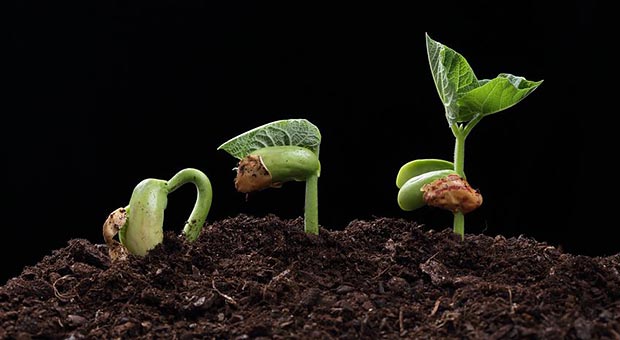
Growing Food For Survival In Small Places

Growing Food For Survival In Small Places

Just because you live in an apartment or a small house with minimal yard space doesn’t mean that you can’t grow your own food.

For that matter, you may even be able to have a few animals. Chickens or a goat or two may be a possibility right in your own yard. The important things to growing food for survival in small places are organization and creativity.

We’ve gathered some tips that may help!

Use Non-GMO, Non-Hybrid Seeds

GMO, or genetically modified organisms, are genetically fused into some seeds in order to make the plant more disease-resistant. GMO’s are linked to many illnesses in humans and the government has conveniently failed to regulate the use of them so that growers don’t even have to tell you that you’re eating GMO’s.

You can order seeds that have been tested and are guaranteed to be non-GMO.

Likewise, don’t use hybrid seeds; they aren’t stable. They’re genetically created from two parent plants to have certain traits. The result of the cross will be a vigorous yield with plants that exhibit those traits.

The problem, though, is that only the first generation will definitely have those traits so you can’t use the seeds from them to grow identical plants. Both the second-generation yield and the traits of the resulting plant are anyone’s guess.

Go with heirloom or open-pollinated, certified non-GMO seeds.

Save Your Containers

You’re going to need containers to plant your seeds and grow your plants in. Yogurt and fruit cups, milk jugs, soda and water bottles and coffee cans are all great planting vessels and cost you nothing. Plus you’re repurposing something that may just end up in a landfill.

Practice Container Gardening
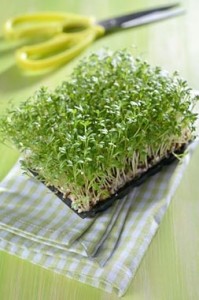
small-foodEven if you live in an apartment, you most likely have at least one or two windows and possibly even a balcony. That means that you have plenty of light to grow fruits and veggies in containers.

Vegetables that require little space and are great for window boxes include carrots, radishes, lettuce, onions, and even tomatoes and peppers.

Herbs are great, too, but since they grow in just about any area of your house, don’t waste window space if you want to grow other things.

The only limitation that you have is the size of your container. If you have space, you can even grow small fruit trees or berry bushes.

Strawberries grow wonderfully in pots and you can even hang them so that they’re out of the way.

Hanging baskets, pots, window planters, barrels, buckets and even cups can serve as containers in which to grow your favorite herbs, veggies and fruits.

Plant a Small Outdoor Garden

If you have a spot that’s at least 4’X4’, you can grow a small garden. Dig out a spot that’s one foot deep and no more than 4 feet wide so that you can get to the center of it easily. Line the hole with plywood so that your soil is contained in the box.

Fill with rich soil. You might be able to skip this step if your soil is already good. You can make your garden as long as you’d like. 4’x12’ is a good, workable space for a beginner.

Create furrows in your soil so that you have 4 long mounds that run lengthwise with furrow in between that are about 6 inches or so lower than your mounds. Plant your seeds on the mounds.

You can grow whatever you’d like but be careful because some plants complement each other and others will steal nutrients from the soil that will stunt other plants. Do your research. Also, some plants have deep roots (ie, tomatoes) while some have practically no roots (lettuce). Grow these close together in order to utilize your space well and you’ll have extra food to add to your survival stockpile.

Preserve Your Food and Your Food Sourcessmall-food-2
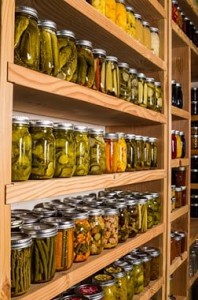
Remember, this garden is for survival purposes as well as personal, immediate enjoyment.

Grow enough extra so that you may can it or dehydrate it for your stockpile.

Save seeds so that you can keep your garden growing. If you do that, your seeds will quite literally be free the second time around, plus you’ll have your own viable seeds if SHTF.

Raising Chickens or Small Animals

Depending upon local ordinances, you may be able to have small animals such as goats or even chickens in your yard. If you’re in an apartment, chances are pretty good that you’re out of luck, though. That doesn’t mean that you can HAVE some animals in case SHTF.

See if you can work with local farmers to keep a few animals on their property for survival purposes.

Growing food for survival in small places is challenging but you do have options. If you’re in an apartment, you may also be able to use the roof or the front steps to grow herbs or other plants. If you’re worried about people stealing your fruit or veggies, use these spots to grow things such as onions, potatoes, or herbs that may not be easily recognizable as edible plants.

As with everything, it doesn’t matter how small you start, just start! Your survival may depend upon how well you prep today!
This article has been written by Theresa Crouse for Survivopedia.

Photo sources: 123RF.com

ShareTweet
Theresa Crouse

Theresa Crouse

Theresa Crouse is a full-time writer currently living in central Florida. She was born and raised in the hills of West Virginia, where she learned to farm, hunt, fish, and live off the land from an early age. She prefers to live off the grid as much as possible and does her best to follow the “leave nothing behind but footprints” philosophy. For fun, she enjoys shooting, kayaking, tinkering on her car and motorcycle, and just about anything else that involves water, going fast, or the outdoors.
Next Post
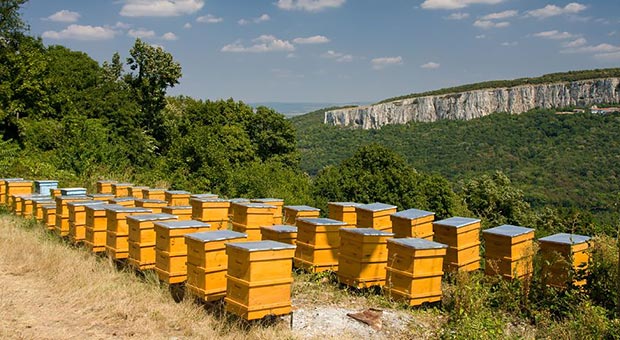
Raising Bees for Survival: Should You Do It?

Raising Bees for Survival: Should You Do It?

Comments 11

  1. Pingback: Growing Food for Survival in Small Places | TheSurvivalPlaceBlog
  2. Lolli Goewey says:
    13 years ago

    Also, take your bag of garden soil, lay it down, cut a rectangle out of it and it is ideal for planting lettuce and spinach. There is also certain types of lettuce that will grow even in cold weather and is also open pollinated (non GMO/non hybrid) so you can let go to seed to harvest for future gardening. Also make sure your garden survival kit has additional vegetable fertilizer to keep gardens going when SHTF

    Reply
  3. aLEX jAY says:
    13 years ago

    DON’T FORGET THE LOWLY SUNCHOKE, WHICH PRODUCES WONDERFUL TUBERS. IF MULCHED, THESE CAN PROVIDE A GREAT SOURCE OF FOOD ALL THROUGH WINTER, WHEN THERE’S NOT MUCH ELSE AVAILABLE, AND WELL INTO SPRING. A SUNCHOKE PATCH WILL TAKE CARE OF ITSELF BUT STILL BE THERE IF NEEDED, AND THEY HAVE A NICE NUTTY FLAVOR TOO! THE SUGARS IN THEM ARE PARTICULARLY GOOD FOR DIABETICS IF THE SHTF.

    Reply
  4. Pingback: Here are 6 Ways to Grow Survival Food Even if You Don’t Have the Room. | Freedom Prepper
  5. Ma Wilson says:
    12 years ago

    Another tip for apartment dwellers. You may be able to keep a pair of rabbits in a wire dog crate. They are clean, make no obnoxious noises. They multiply easily and can eat a variety of easily grown greens. Alpha is their favorite.

    Reply
  6. Pingback: 9 Ways To Grow Food On The Down-Low | Survivopedia
  7. Pingback: 9 Ways To Grow Food On The Down-Low | Prepper's Survival Homestead
  8. Pingback: 9 Ways To Grow Food On The Down-Low | | disasterdefense.us
  9. Pingback: 14 Best Vegetables To Grow In A Bucket | Survivopedia
  10. Pingback: 9 Reasons That Make Straw Bale Gardening Fit For Survival | Survivopedia
  11. B Marcus says:
    7 years ago

    Don’t forget sprouts. Easy to grow in a few days. Dont even really need sunlight.

    Reply

Leave a Reply Cancel reply

Your email address will not be published. Required fields are marked *

  • Trending
  • Comments
  • Latest
How To Make Pemmican, The Ultimate Survival Food (Video)

How To Make Pemmican, The Ultimate Survival Food (Video)

January 12, 2026

How the Amish Would Respond to Grid Down

November 17, 2025
Top 10 Vehicles For Your EMP Survival

Top 10 Vehicles For Your EMP Survival

May 19, 2026
Chloroform

How To Make Chloroform For Survival

October 13, 2025
The Ugly Part of Water Purification: Top 5 Mistakes You Make

The Ugly Part of Water Purification: Top 5 Mistakes You Make

September 29, 2025
How to Preserve Eggs Like the Pioneers Did

How to Preserve Eggs Like the Pioneers Did

October 14, 2025
Top 6 Survival Rifles And Why You Need One

Top 6 Survival Rifles And Why You Need One

429
Top 5 Bug Out Locations In The US

Top 5 Bug Out Locations In The US

257
Top 10 Vehicles For Your EMP Survival

Top 10 Vehicles For Your EMP Survival

162
10 Items You Need To Hoard

10 Items You Need To Hoard

148
How To Store Flour, Sugar And Rice For Survival

How To Store Flour, Sugar And Rice For Survival

141
alaska landscape

A Prepper’s Story: Headed To Alaska To Survive Off-grid

118

Twenty-Five Years Later: Teaching A Generation That Wasn’t There

September 11, 2026

The Day Preparedness Changed: What 9/11 Still Teaches Us 25 Years Later

September 11, 2026

Silent Shortages: How To Read Empty Sections In Stores As Early Warning Signs

September 8, 2026

Waist High, No Weeding: Aquaponics For Elderly And Disabled Preppers

September 4, 2026

Night Security On A Budget: Lights, Sound, And Human Patterns That Deter Trouble

September 4, 2026

Old Time Foot Care For People On Their Feet All Day

September 3, 2026

No Result
View All Result


  • Privacy Policy
  • Terms&Conditions
  • Blogroll
  • Contact
  • Newsletter

© 2025 SURVIVOPEDIA

No Result
View All Result
  • HOME
  • GENERAL PREP
    • SHTF SCENARIOS
      • Survival Skills
      • Disaster Scenarios
      • Natural Disasters
      • WATER
      • FINANCIAL
      • WAR & CONFLICTS
      • emp
    • EQUIPMENT
      • Bug-Out-Vehicle
      • Firearms
      • COMMUNICATION
    • ENERGY
      • ENERGY
      • Energy Sources
      • Electric Equipments
      • Consumption Control
  • WEAPONS
    • Firearms
    • Cold Weapons
    • Defense
    • Privacy & Data Protection
    • Regulations
  • FOOD
    • Food Storage
    • Cooking
    • Farm Animals
    • Hunting
    • Plants & Gardening
  • Store
  • Newsletter

© 2025 SURVIVOPEDIA