















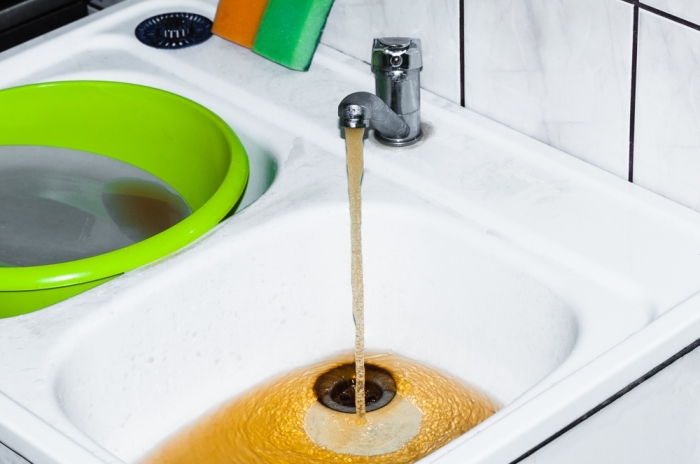
Most people think a water emergency begins when the faucet stops working. I think the more dangerous situation is the one where the faucet still works.
The water looks normal. The pressure is normal. It may even taste normal. Then somebody reports a broken main, sewage contamination, flooding around the well, a chemical spill, or a warning arrives from the water utility.
Now every gallon in the house has a question mark attached to it.
Can we drink it? Can we boil it? Can we wash dishes with it? Can the dog have it? Can I still make coffee? And if the clean water I have stored is suddenly all the safe water available, who gets it first?
The first 72 hours after a water source is fouled are mostly about making good decisions before thirst and confusion start making them for you.
Hour Zero: Stop Using The Water Until You Know What Happened
My first move is simple. I stop drinking from the questionable source, and that means considerably more than not filling a glass at the sink.
I stop using it for:
- drinking
- cooking
- coffee
- ice
- brushing teeth
- washing fruits and vegetables
- mixing infant formula
- giving water to pets
I also shut off refrigerator water dispensers and ice makers running from the same plumbing, because those are the two everybody forgets. There is usually a tray of ice sitting in the freezer made from water nobody is thinking about any more.
Then I find out exactly what kind of warning has been issued, because this distinction matters enormously.
A boil-water advisory generally means officials are worried about disease-causing microorganisms, and boiling can deal with many of those. A do-not-drink advisory may involve chemicals or toxins. A do-not-use advisory is more serious still, and can mean that contact with the water itself should be avoided.
Those are not three grades of the same emergency. They are completely different emergencies, and the response to each one is different.
Do Not Assume Boiling Fixes Everything
This is probably the most dangerous water misconception I hear. Somebody notices a strange smell and says we will just boil it.
No.
Boiling is excellent for killing many bacteria, viruses and parasites. It does not remove most chemicals, heavy metals, fuels, salts, or a long list of other contaminants. In some situations, boiling chemically contaminated water actually concentrates what is left behind as the water evaporates, which leaves you worse off than when you started.
So if I suspect fuel, pesticides, industrial chemicals or another toxic substance, that water is out of service until authorities or proper testing tell me otherwise. I move to a known-safe source instead.
There is no prize for working out how to drink questionable chemical water.
The First Six Hours: Count Every Known-Safe Gallon
Before I ration anything, I count what we have, because you cannot allocate a number you do not know.
Commercial bottled water comes first. Then properly stored emergency water. After that I look for water I know was isolated from the contaminated source, which depending on what happened and when might include water stored before the incident or supplies never connected to the affected system.
I am far more cautious about water heaters, ice makers, plumbing lines and household appliances. A water heater tank gets recommended as an emergency reserve all the time, and that advice assumes clean water went into it. Once contaminated water has entered the system, I stop treating any of those reservoirs as safe.
Then I write the total down. Ten gallons feels like plenty right up until four people are depending on it.
Drinking Comes Before Almost Everything Else
Once I know what we have, I divide it by purpose rather than by person.
The safest water is reserved for drinking, taking medication, preparing food that requires water, infant feeding, and basic oral hygiene. That is the list.
I do not pour potable emergency water into a toilet. I do not mop a floor with it. I do not take an ordinary shower with it. Those jobs either wait, or they use water appropriate for non-drinking purposes if the official advisory allows it.
The mistake is treating every gallon as though every use carries equal weight. It does not, and the household that sorts this out on day one has considerably more water on day three.
Who Gets The Clean Water First
This is the uncomfortable part, so let me be clear about how I think about it.
If there is enough clean water for everybody, everybody drinks normally. I do not ration healthy adults into dehydration because the situation might get worse later. That trades a certain harm for a possible one.
But if supplies get genuinely tight, some people deteriorate faster or simply need more water than others. I pay particular attention to infants and young children, anyone already sick, anyone vomiting or dealing with diarrhea, pregnant or breastfeeding women, older adults, people taking medications or living with conditions that affect hydration, and anyone working hard or exposed to real heat.
A baby who depends on formula creates a serious and inflexible water requirement. Where it is possible, ready-to-feed formula removes the need to mix powdered formula with questionable water at all, and that is worth knowing before you need it rather than after.
Pets need safe water too. Some of the same contaminants that make us sick will make them sick.
The real priority is not deciding which family member deserves water most. It is working out who can get into trouble fastest, and making sure nobody reaches that point.
Hours 6 To 24: Build A Second Source
Stored water buys time, and I use that time immediately rather than waiting until the last case is opened to start looking for more.
If authorities say the problem is microbial and issue a boil-water advisory, I follow their instructions. Under current CDC guidance, clear water is generally brought to a rolling boil for one minute, or three minutes above 6,500 feet, then left to cool in a clean covered container.
If the water is cloudy, it should be allowed to settle first and filtered through a clean cloth, paper towel or coffee filter before any disinfection. A suitable water disinfectant can also be an option where official guidance permits it, but I follow the product concentration and emergency instructions exactly.
I do not improvise chemistry.
And I hold onto one rule throughout all of it.
A household filter does not automatically make contaminated water safe.
A pitcher that improves taste is not a purifier. A camping filter that removes protozoa may not remove viruses. Activated carbon may reduce certain chemicals without touching others. The contaminant determines the treatment, which is exactly why identifying the contaminant came before any of this.
If The Well Was Flooded, I Assume It Is Contaminated
Private wells deserve particular attention after flooding.
Floodwater carries soil, sewage, animal waste, fuel, pesticides and whatever else it crossed on the way to the wellhead. Clear water coming out of the faucet afterward proves very little, because the things most likely to hurt you are the ones you cannot see.
So if my well has been flooded, or contamination is suspected for any other reason, I stop drinking from it and follow health-department guidance on inspection, disinfection and testing.
If there is a fuel or chemical odor, I do not try to solve that by boiling or adding bleach. I use another source and let somebody qualified tell me when the well is usable again.
Hours 24 To 48: Separate Drinking Water From Utility Water
By the second day the household routine has to change, so I split the water into two categories.
Potable water is the safe water I protect carefully. Utility water is water that may be usable for specific non-drinking jobs, depending on the contamination and the official instructions.
If authorities say the affected water is fine for flushing toilets, for instance, I will use it there. But a do-not-use advisory changes all of that. If officials say contact itself may be hazardous, that restriction holds and I do not go looking for exceptions.
Then I label the containers, and I do not rely on memory. A five-gallon jug somebody filled from the bathtub looks exactly like a five-gallon jug of drinking water by the following afternoon, especially to somebody who was not there when it was filled. Everybody in the house needs to be able to tell which is which without asking.
Sanitation Starts Competing With Drinking Water
This is where a water shortage becomes more complicated than thirst.
Hands still need cleaning. People still use the toilet. Dishes accumulate. Somebody may be sick, which increases both the sanitation demand and the hydration demand at the same time.
All of that creates pressure to spend drinking water on sanitation. Rather than fight that with discipline alone, I reduce the demand itself.
Disposable plates save dishwashing water. Food that needs no boiling saves cooking water. Alcohol-based hand sanitizer can reduce water use when hands are not visibly dirty and its use is appropriate. Trash bags and other emergency sanitation supplies reduce dependence on a working toilet.
I am not trying to be clever about rationing. I am changing the household routine so that clean water has fewer competitors.
Hours 48 To 72: Stop Treating This As A Temporary Inconvenience
By the third day I want an answer to one question.
Where does the next safe gallon come from?
CDC recommends storing at least one gallon per person per day, with at least a three-day supply on hand and two weeks preferable where possible. Which means the classic three-day water supply is not a comfortable reserve at all. It is the point at which you are supposed to have already found another solution.
If the system is still contaminated after 48 hours, I am looking well beyond the pantry. Bottled-water distribution points, emergency supplies from local authorities, family or friends outside the affected area, a verified safe well, commercial water, or a treatment system actually rated for the known hazard.
If I can safely leave the affected area and get reliable water elsewhere, that becomes part of the decision too. I would rather move toward clean water than get increasingly creative with contaminated water.
When The Advisory Lifts, Do Not Simply Start Drinking
This step gets skipped constantly, and it is an easy way to undo three days of careful work.
When an advisory is lifted, the utility has restored the system. The water sitting inside your own house has not gone anywhere. So I follow whatever flushing instructions the utility issues, and they usually involve running the cold taps for several minutes before using the water.
Then I deal with everything that holds water of its own. The ice gets thrown out and the ice maker runs a few cycles that also go in the bin. Water filters get replaced rather than trusted. Dispensers get flushed. If a water heater or softener was involved, I follow the specific guidance rather than guessing.
The advisory ending tells you the mains are clean. Your plumbing is a separate question.
Do Not Wait For Thirst To Tell You There Is A Problem
Thirst is a poor inventory system. By the time everybody in the house is eyeing the last bottle, you have already lost the time that mattered most.
So the first three days should be deliberate rather than reactive. Stop the exposure first. Find out what actually contaminated the water, because that single fact determines everything that follows. Inventory every known-safe gallon and write the number down. Protect drinking water from low-priority uses. Watch the people whose hydration needs are greatest. Treat water only when the treatment genuinely matches the hazard. And start replacing the stored supply well before it runs out.
That is how I think about a fouled water source.
The real danger is not simply that dirty water exists. It is that clean-looking water makes us hesitate, and hesitation is what turns a manageable problem into a medical one. When there is credible reason to believe the source is contaminated, I would far rather waste a few gallons of questionable water than gamble my family’s health on the assumption that clear means clean.
Others Are Watching Now: