



















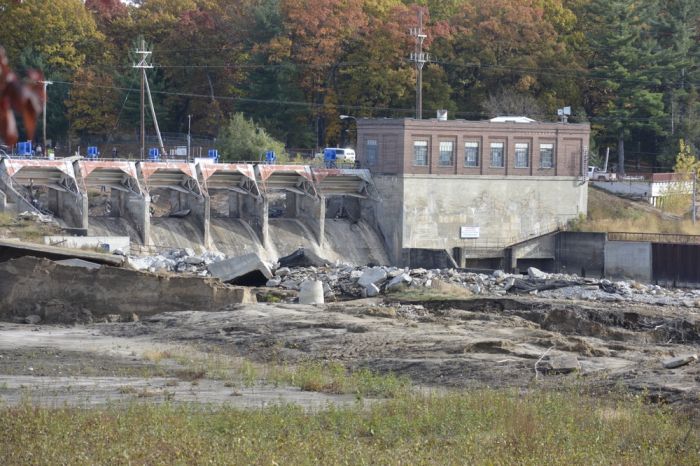
A lot of emergencies do not begin with a foreign enemy, a civil collapse, or some dramatic event on the evening news.
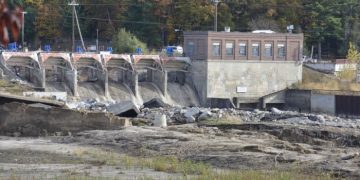
Sometimes they begin with a bridge that should have been repaired years ago. Sometimes they begin with a dam that has been patched, inspected, warned about, and ignored. Sometimes they begin with an overloaded power grid that finally meets the wrong heat wave, storm, cyberattack, or equipment failure.
Modern life depends on systems most people rarely think about.
Roads carry food. Bridges carry commuters, ambulances, school buses, and fuel trucks. Dams hold back water that can erase low ground in minutes. Power lines keep heat, air conditioning, pumps, refrigerators, gas stations, and communications working.
When these systems fail, the people who already understood their weak points have an advantage.

Infrastructure Usually Warns Before It Fails
A bridge collapse or dam failure may look sudden, but the warning signs often existed long before the event.
There may have been inspection reports. Weight limits. Emergency repairs. Lane closures. Flood concerns. Cracking concrete. Erosion. Repeated outages. Transformer failures. Boil water notices. Local news stories. Complaints from residents. Public meetings nobody attended.
A prepper should learn to treat these reports as early signals.
You do not need to become an engineer. You do need to know which systems your household depends on and which ones already show signs of weakness.
That starts with paying attention locally.
Bridges Decide Your Real Routes
Most people think of roads as lines on a map. A prepper should think in terms of choke points.
Bridges are choke points. So are tunnels, overpasses, railroad crossings, low-water crossings, mountain passes, and major intersections. If one of them closes, your normal ten-minute trip can become impossible or turn into a one-hour detour.
Start by identifying the bridges your family uses most.
- Which bridges stand between your home and work?
- Which ones separate you from your children’s school?
- Which ones connect you to the hospital?
- Which ones matter for your evacuation route?
Then check whether any are under repair, posted with weight limits, frequently flooded, old, narrow, or already known as trouble spots.
A weak bridge may not affect you on an ordinary Tuesday. During a storm, evacuation, fire, fuel shortage, or accident, that same bridge can decide whether you get out early or sit trapped with everyone else.
Dams Create Hidden Risk Downstream
Dams are easy to forget because they often sit out of sight.
Yet a family living downstream from a dam should know it. A dam failure, emergency release, or spillway problem can change a quiet valley into a flood zone very quickly.
The first step is simple. Find out whether there are dams upstream from your home, workplace, school, church, or regular routes. Look at flood maps if your county or state provides them. Pay attention to local warnings about heavy rain, reservoir levels, spillway damage, erosion, or emergency repairs.
If you live downstream, your evacuation plan should account for water moving fast.
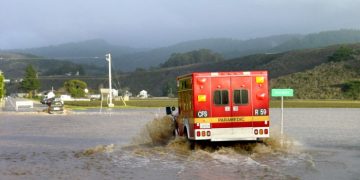
That means knowing high ground. It means knowing which roads flood first. It means leaving early when officials warn of dam trouble or extreme rainfall. It also means keeping a grab-and-go bag, vehicle fuel, documents, and basic supplies ready before the rain starts falling.
Floodwater does not care how prepared you meant to be later.
The Grid Is A Daily Weak Point
The power grid is one of the biggest weak points in modern life because almost every other system leans on it.
When power fails, lights go out first. Then refrigerators warm. Phones drain. Gas pumps stop. Well pumps quit. Medical devices become urgent. Air conditioning and heat disappear. Stores may close. Traffic lights fail. Security systems and internet service become unreliable.
A short outage is an inconvenience. A long outage becomes a household test.
Watch your local grid the way you would watch a sick animal. Repeated outages, brownouts, overloaded summer demand, winter storm failures, transformer fires, rolling blackout warnings, and utility requests to reduce use are all signals.
They tell you how fragile the system is before the big failure comes.
Turn Reports Into A Local Weak-Point Map
Reading infrastructure news is useful only if it changes your planning.
Make a simple map of the places your family depends on. Mark bridges, dams, flood zones, substations, hospitals, fuel stations, grocery stores, railroad crossings, major intersections, and roads that often close during storms.
Then mark your alternate routes.
Have one route for normal travel, one backup route, and one ugly route you would use only if the first two are blocked. Drive those routes before you need them. Notice low spots, narrow bridges, traffic bottlenecks, dead cell areas, and places where a single accident could stop movement.
A map made during calm conditions is worth more than a guess made under stress.
Evacuation Planning Must Respect Infrastructure
Many families say they have an evacuation plan. Fewer have looked closely at whether the plan depends on fragile infrastructure.
If your route crosses the same weak bridge everyone else uses, it may fail you. If your route follows a river valley below a dam, it may become dangerous during heavy rain. If your route depends on getting fuel during a blackout, it may not work at all.
A stronger evacuation plan answers specific questions.
- Where are the choke points?
- Which roads flood?
- Which bridges are already questionable?
- Where is high ground?
- How much fuel is in the vehicle right now?
- Where can we go if the main road is closed?
- Who do we call if phone service still works?
- Where do we meet if it does not?
These questions turn vague preparedness into something useful.
Backup Power Should Match Real Needs
Backup power is another area where people often buy first and think later.
Start with your true needs. Do you need to keep a refrigerator running? A freezer? A well pump? Medical equipment? A phone? A radio? A sump pump? Heat circulation? A small fan during summer?
Once you know the needs, choose the system.
A small battery bank may handle phones, lights, and radios. A solar generator may support light household use. A fuel generator may handle heavier loads, but it needs safe outdoor operation, stored fuel, oil, maintenance, extension cords, and a transfer switch if tied into household circuits.
Do not wait for an outage to learn your system.
Test it. Label cords. Store fuel safely. Keep carbon monoxide detectors working. Know what you can power and what you cannot.
Practice Living Around Failure
The best way to understand infrastructure dependence is to practice without it.
Spend one evening without using grid power except for true necessities. Drive your backup route to work or church. Turn off the main road in your mind and see what changes. Cook one meal without the electric stove. Run your generator or battery system under a real load. Check how long your stored water lasts when the pump is unavailable.
These small tests reveal weak points before they become emergencies.
They also make the family calmer. Children who have practiced a blackout are less frightened when one happens. Adults who know the backup route think more clearly when traffic breaks down.
Watch The Quiet Signals
Infrastructure failure often gives quiet signals first.
A bridge gets patched again. A road floods more often. A dam appears in local news after heavy rain. The power flickers every time the weather turns bad. A utility warns customers to reduce demand. A substation fails twice in one year. A main road stays under construction for months.
None of these signs require panic.
They require attention.
The prepared household does not ignore weak systems. It studies them, plans around them, and builds enough margin to avoid being trapped by them.
The Prepared Family Sees The Support Beams
Modern life hides its support beams. Bridges, dams, roads, substations, pipes, transformers, and fuel networks usually sit in the background.
Then one day they move to the center of the crisis.
A wise prepper learns where those support beams are before they crack. He reads local reports. He watches closures. He studies flood risk. He maps alternate routes. He builds backup power around real needs. He keeps fuel, water, food, documents, and communication plans ready enough to move early.
You cannot repair every weak bridge or failing grid.
You can stop pretending they are someone else’s problem.
When the systems around you are aging, stressed, and overdue for attention, your family needs its own margin. That margin may be the difference between leaving calmly and being trapped behind the failure everyone else ignored.
Others Are Watching Now:












































Collapse regarding Prepper YouTube Videos of expedient snow cave shelters. I suppose it’s just cool and refreshing and even good for a laugh for some thin over burden to fall on your face while sleeping, but some of the videos look like tons overhead that means failure could be death!