

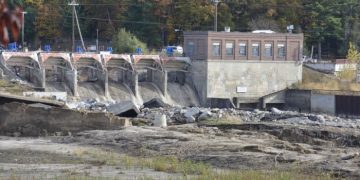
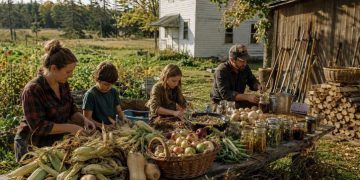
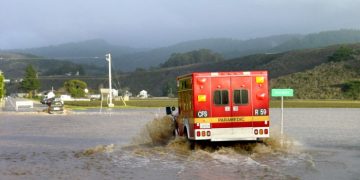






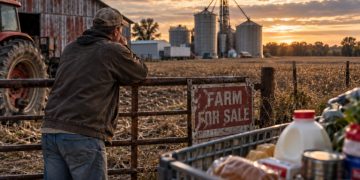
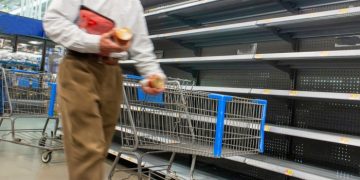
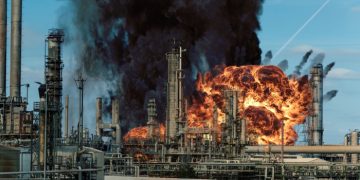
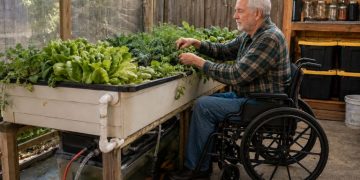


Most Americans live with the quiet assumption that the roads will stay open.
Food moves by road. Medicine moves by road. Fuel moves by road. Mail, parts, tools, livestock feed, relatives, workers, and emergency help all depend on roads staying passable and safe. We may complain about traffic, potholes, and fuel prices, but most of us still expect movement to be available when we need it.
That assumption can break faster than people think.
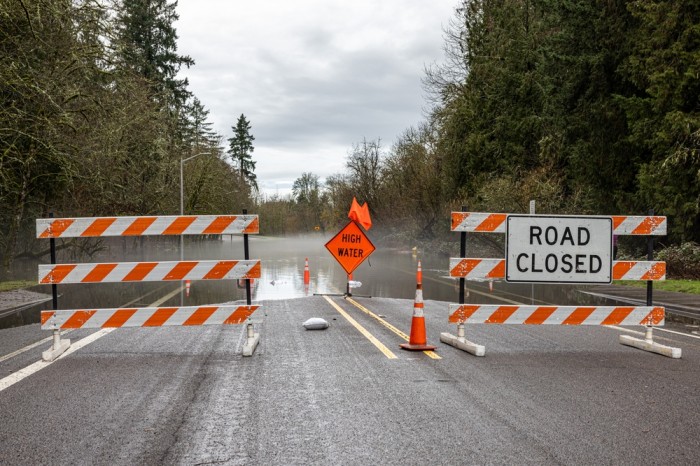
A winter storm, wildfire, flood, bridge failure, fuel shortage, civil unrest, cyberattack, or government road closure can turn a normal town into an island overnight. When that happens, the question becomes simple: how well can your household function when travel, trade, and communication are suddenly restricted?
Native tribes, pioneer families, and Amish communities each offer useful lessons because they understood isolation in ways modern people have largely forgotten.
1. Native Communities Read The Land Before Moving
Native people often traveled by foot, canoe, horse, or seasonal route, depending on the region and time period. Movement mattered. Trade mattered. Communication mattered. But they also understood that the land itself decided when movement was wise.
A river could rise. Snow could block a pass. Heat could make travel dangerous. Enemy movement could close an area. Game patterns, weather, and seasonal food sources all shaped decisions.
That meant a community had to know more than one route and more than one way to live.
If a main path became unsafe, people needed alternate trails, water routes, hidden crossings, and knowledge of where food, shelter, and water could be found along the way. They also needed the discipline to stay put when movement became too risky.
That is a lesson many modern preppers overlook. A road closure is not only a transportation problem. It is a knowledge problem. If you do not know your back roads, footpaths, waterways, local terrain, and seasonal risks, your options shrink very quickly.
The old lesson is clear: know the land before the crisis decides your route for you.
2. Pioneers Planned Around Distance And Delay
Pioneer families lived with distance as a daily reality. A trip to town could take hours or days. A broken wagon part could stop a journey cold. A snowstorm could isolate a cabin for weeks. A muddy road could make travel nearly impossible.
Because of that, pioneers kept more at home than modern families do.
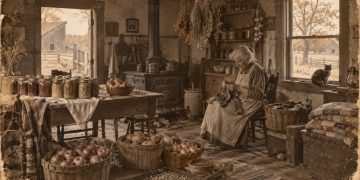
They stored flour, cornmeal, beans, salt, dried fruit, cured meat, candles, lamp oil, tools, spare parts, sewing supplies, seed, medicine, and feed for animals. They understood that town was useful, but it could not be treated as a daily lifeline.
That mindset is badly needed today.
Many households have become dependent on constant resupply. They run lean on food, fuel, cash, medicine, and basic repair items because stores are usually close and delivery is usually fast. When roads close, that habit becomes a weakness.
A pioneer-minded household asks different questions.
How long can we stay home without shopping?
Can we cook without another grocery run?
Can we repair small problems without driving to town?
Do we have enough feed, fuel, water, medicine, and basic supplies to absorb a delay?
Those questions are simple, but they expose the truth fast.
3. Amish Communities Already Live With Slower Movement
The Amish still understand slow travel better than most Americans. Horse-drawn transportation, local trade, face-to-face relationships, and community-based labor create a different rhythm of life.
This gives them a useful advantage during sudden disruption.
An Amish household may still be affected by road closures and shortages, especially where outside supplies are involved. But the culture is less dependent on speed. Local production, local skills, stored food, shared labor, and nearby community ties reduce the shock.
The larger lesson is not that every prepper should live exactly like the Amish. The lesson is that slower systems are often more resilient.
If your life collapses because you cannot drive for two days, your system is too fragile.
A stronger household has local relationships. It has useful skills. It knows nearby farmers, mechanics, church members, neighbors, and tradesmen. It can borrow, barter, repair, and cooperate without everything depending on a distant supply chain.
Speed is convenient. Local strength is better when movement stops.
4. Trade Changes When Roads Close
When roads are open, trade feels invisible. You go to the store, swipe a card, and bring home what you need. Behind that simple act is a massive system of trucks, fuel, drivers, warehouses, payment networks, and roads.
When movement stops, trade becomes personal again.
Native communities relied on relationships, seasonal gatherings, and established exchange routes. Pioneers traded with neighbors when town was too far or inaccessible. Amish communities still use local networks for labor, food, tools, animals, and services.
Modern preppers should learn from that.
If roads closed overnight, the most valuable trade partners might not be distant sellers. They might be the neighbor with chickens, the man with a chainsaw, the widow with a deep pantry, the farmer with hay, the church member with a well, or the mechanic who can keep small engines running.
That kind of trade depends on trust built before trouble starts.
A man who has been useful, fair, and neighborly will usually have better options than the man nobody knows.
5. Communication Must Have Layers
Road closures often bring communication problems with them.
Storms take down power. Towers fail. Internet service drops. Cell networks overload. Even when the phone still works, people may not know what information to trust.
Older communities depended on slower but sturdier communication. Word traveled by messenger, church gathering, market day, smoke signal in some Native contexts, bells, posted notices, letters, and face-to-face contact. It was not instant, but it was relational. People knew who carried reliable information.
Modern families need layers.
Start with ordinary communication, such as cell phones and text messages. Add backup power for phones. Keep a battery radio. Have printed phone numbers and addresses. Know which neighbors to check on. Decide where family members should meet if they cannot call. If you use radios, practice with them before you need them.
A communication plan that exists only in your head is weak. Write it down. Make sure the family understands it.
6. Fuel Shortages Turn Distance Into A Wall
Roads can be open and still become useless if fuel is unavailable or too expensive.
This is where modern life is especially vulnerable. Many people live far from work, food, family, church, and medical care. Their lives only function because fuel is usually available.
Native people measured travel by effort, season, and terrain. Pioneers measured it by horse, wagon, weather, and daylight. Amish communities still measure it through slower movement and local reach.
Modern families should measure their own lives the same way.
How far is your grocery store?
How far is your doctor?
How far is your workplace?
How far are your closest reliable relatives?
Could you reach key places on foot, by bicycle, or with one tank of fuel?
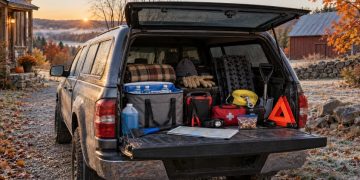
Do you keep enough fuel safely stored to handle an emergency?
Fuel shortages expose the real shape of your life. If every important need is far away, you need a plan.
7. Isolation Rewards The Prepared Home
When movement stops, the home becomes the center of survival again.
That was normal for earlier people. A Native camp, a pioneer cabin, or an Amish farm was expected to hold life together during bad weather, seasonal hardship, or delayed travel.
A modern home should be able to do the same for at least a reasonable period.
That means food, water, heat, lighting, sanitation, first aid, cooking options, security, and morale all need attention. It also means having practical ways to pass time, keep children calm, care for elders, and maintain a rhythm when the outside world slows down.
The family that can stay home calmly has power. It does not have to rush into dangerous roads. It does not have to burn fuel chasing small needs. It does not have to stand in every line or join every panic.
A well-kept home becomes a shelter in the fullest sense of the word.
8. Build Your Local Map Now
Every prepper should make a local isolation map.
Mark your home, water sources, nearby friends, relatives, church members, farms, medical help, alternate roads, foot routes, bicycle routes, bridges, flood-prone areas, railroad crossings, fuel stations, hardware stores, and places that may become unsafe during unrest.
Then think through what happens if the main roads close.
Which routes remain?
Which bridges matter?
Who might need help?
Who could help you?
Where can you get water, fuel, food, or medical support without traveling far?
This exercise turns vague concern into practical knowledge.
9. The Old Lesson Still Applies
Native communities knew the land. Pioneer families stored enough to endure delay. Amish communities built strength through local ties, slower movement, and shared labor.
Those lessons still matter.
If the roads closed overnight, many modern families would discover how dependent they have become on constant motion. The prepared household should be different. It should know its land, store wisely, build local trust, communicate in layers, and reduce unnecessary dependence on distant systems.
Roads are useful. Fuel is useful. Fast delivery is useful.
But when movement stops, the family with local knowledge, stored supplies, steady neighbors, and a calm home will stand on stronger ground.
Others Are Watching Now:






























I’ve read several articles at prepper sites. Some were of not much value, others were helpful. THIS one was, by far, the best. It included much more than what the title mentioned, and was nearly an entire encylopedia of information on survival. I would describe it as basically everything I’ve read on the topic – in ONE article. The author writes about a serious subject in relaxed, clear, readable language. Outstnding. If survivopedia.com existed to post just this one piece, it would have been worth it all. THANK YOU!