















There was a time when I gave very little thought to the water coming out of my kitchen faucet. Turn the handle, fill the glass, drink. Most Americans still live that way, and under normal conditions public drinking water is treated and regulated. But preparedness has taught me to look past normal conditions.
A flood can change a water source in a matter of hours. A broken pipe can let contamination into a system. Agricultural runoff carries fertilizers and pesticides. Fuel and industrial chemicals can reach groundwater. Warmer water can encourage microbial growth. A private well that tested perfectly fine last year can develop a problem nobody can see, smell, or taste.
That last part is what bothers me most. Bad water does not always look bad, and that is exactly why filtration has become a normal part of how I think about protecting my family.
Floodwater Carries Everything With It
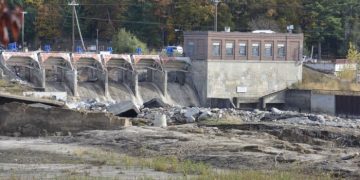
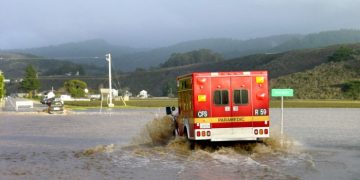
Watch what actually happens during a serious flood. The water crosses roads, farms, yards, septic systems, industrial areas, parking lots, animal enclosures, and garbage, and then it keeps right on moving. Everything it picked up along the way goes with it. That means sewage, bacteria, fuel, pesticides, fertilizers, oils, and whatever else was sitting in its path can end up in rivers, reservoirs, and private wells.
A well does not need to be full of visible mud to have a problem, either. Floodwater can enter around the wellhead or work its way through the surrounding ground without leaving any obvious sign. After a flood, I would never assume that clear water from a private well means safe water. I would drink stored water instead, until the well had been properly inspected, disinfected where appropriate, and tested.
Temperature Changes Affect Water Too
We usually think about temperature in connection with weather or food storage, but water systems are affected by it as well. Warmer water can encourage the growth of certain microorganisms, and temperature also influences chemical reactions, corrosion, and how treatment behaves once it is applied.
The practical takeaway is that a water system does not sit inside a perfectly controlled environment. Hot summers, droughts, heavy rain, flooding, shifting reservoir levels, and sudden weather events all change what arrives at the treatment plant. For me, that is another argument for thinking in layers. The municipal system provides the first one. My household still needs its own backup behind it.
Chemicals Are The Problem You Cannot Boil Away
Most preppers know that boiling water kills dangerous germs, and that is genuinely valuable knowledge. It can also create false confidence, which is the part people miss.
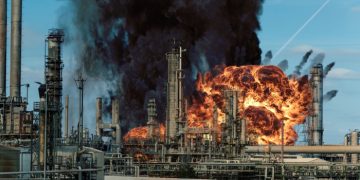
Boiling does not remove many harmful chemicals. If water contains fuel, pesticides, industrial chemicals, heavy metals, or certain other contaminants, heating it does nothing to make those substances disappear. In some situations boiling can actually concentrate what remains behind as the water evaporates, which leaves you worse off than when you started.
That is why I keep biological contamination and chemical contamination in separate categories in my mind. If I am worried about bacteria or parasites, boiling and proper disinfection may be exactly what the situation calls for. If I suspect fuel or toxic chemical contamination, I want a different water source entirely until I know precisely what I am dealing with.
Pipes Can Become Part Of The Problem
People tend to think only about the reservoir or the well, but the water still has to reach the kitchen. It may travel through miles of infrastructure before it enters the home, and breaks, pressure losses, corrosion, and damaged plumbing along that route all create opportunities for contamination. That matters most after earthquakes, hard freezes, floods, construction accidents, and major water-main breaks. Even inside the house, old plumbing can contribute contaminants of its own.
This is why I treat boil-water notices and utility alerts as real information rather than background noise. When the people running the water system tell me something changed, I listen.
I Want A Filter That Does More Than Improve Taste
There is another mistake I see constantly. People buy something labeled a “water filter” and assume that filtered automatically means safe. It does not work that way.
Some common pitcher and refrigerator filters are designed mainly to improve taste and odor. Others can remove parasites or bacteria. More advanced systems may reduce certain chemicals and heavy metals. The label is what tells you which one you are holding, so if I am buying a filter for preparedness, I want to know exactly what it is rated to remove. Does it reduce lead? Does it remove bacteria, parasites, or viruses? What about pesticides, nitrates, or other chemicals?
No single filter handles every possible contaminant, and any product claiming otherwise deserves a hard look. I choose the filter around the problem I am actually preparing for.
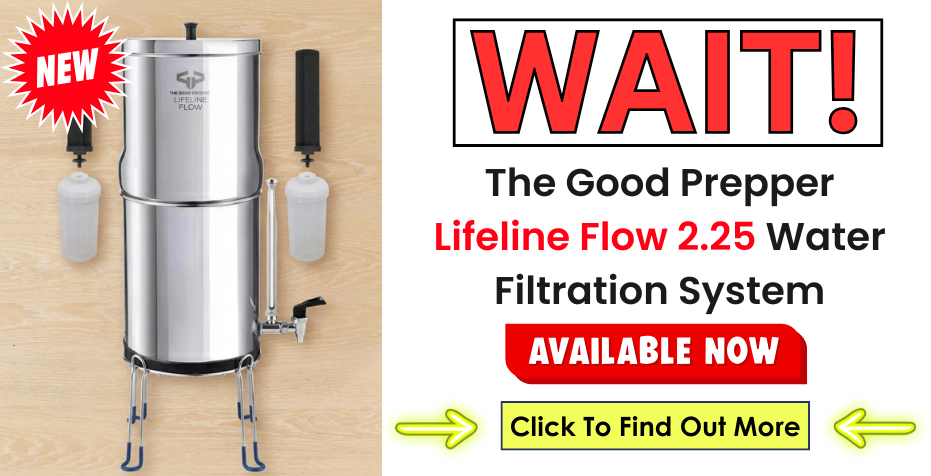
That is why a system like The Good Prepper Lifeline Flow 2.25 caught my attention. It runs on gravity alone, requires no electricity or plumbing, and combines activated carbon with additional filtration media designed to reduce contaminants beyond bad taste and odor. It’s the kind of practical backup worth considering, especially when the power goes out or the water supply becomes unreliable. If you’re interested, I’ve left the link HERE so you can take a closer look. They’re also offering two extra filters for the same price, which is a nice bonus since having replacements on hand is part of being prepared.
A Filter Needs To Be Maintained
Owning a good filter is only half the job. Cartridges have limits, and those limits do not care how much you paid. If a cartridge is rated for a certain number of gallons, I need replacements on hand well before I reach that number. If the system requires cleaning, I need to know how to clean it. If it depends on electricity or household water pressure, I need to understand exactly what happens to it during an outage.
So I keep replacement filters stored with the rest of the household supplies. That may seem boring next to buying another piece of survival gear, but a filter with an exhausted cartridge is not much of a backup plan.
I Keep More Than One Way To Make Water Safe
I do not like depending on any single piece of equipment, so my water plan has layers. I keep stored drinking water for immediate emergencies. I have filtration for everyday use and for questionable sources. I know how to boil water when microbial contamination is the concern, and I keep clean containers for collecting and storing treated water once it is safe.
I also know the limits of all of it. Water suspected of containing fuel or toxic chemicals calls for a different source altogether, unless I have a treatment system specifically designed and verified for those contaminants. That combination gives me options, and options are what matter when the faucet suddenly becomes questionable.
Private Wells Require More Attention
If I owned a private well, I would treat it like any other critical piece of preparedness equipment. I would know exactly where the wellhead is. I would keep chemicals, fuel, and waste well away from it. I would inspect the area after every flood, and I would test the water periodically as well as any time something gave me a reason to suspect contamination.
Private wells give a family real independence, and I understand the appeal of that. But the same independence transfers the responsibility onto the owner. There may be no utility company watching that water for you.
Do Not Wait Until The Water Tastes Wrong
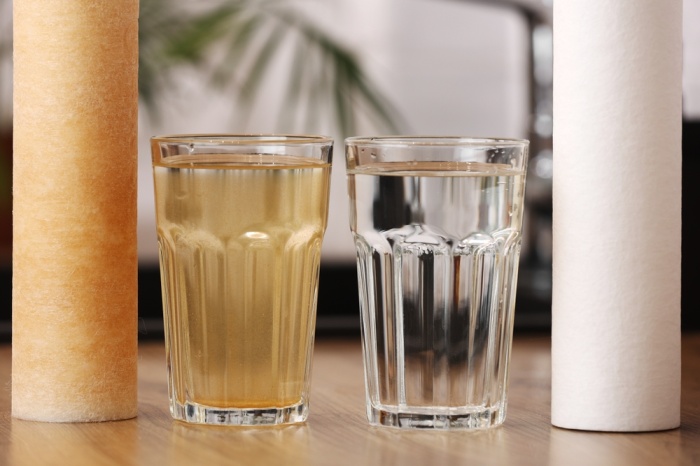
This is probably the most important habit of all. I do not use taste, smell, or appearance as my safety test. Some contaminated water smells terrible and warns you immediately. Some looks and tastes perfectly normal. A glass can be crystal clear and still hold something I do not want my family drinking.
That is why testing, proper filtration, public advisories, and reliable treatment methods matter more than my senses do. By the time water smells like fuel or sewage, the decision has already made itself. Preparedness is about catching the problems that never announce themselves.
Water Deserves More Respect Today
We live in a century of aging infrastructure, intensive agriculture, widespread chemical use, extreme weather, industrial activity, and increasingly complicated water systems. I still appreciate being able to turn a faucet and usually receive treated drinking water. I simply refuse to make that my only plan.
So I keep water stored. I keep a dependable filter along with replacement cartridges. I know what that filter can remove and, just as importantly, what it cannot. And I pay attention after floods, pipe breaks, unusual weather, and water advisories instead of assuming the system absorbed the damage for me.
Food gets most of the attention in preparedness because we can see the shelves filling up and feel like we accomplished something. Water deserves at least as much thought. A person can go a long time without dinner, but safe drinking water gives us far less room for mistakes. And because contamination is so often invisible, I would rather keep another layer between the source and my family’s glass.
Others Are Watching Now: