

























A few weeks ago, Alec Deacon asked me to test the ArcShield 3000, and I went into it with the same question most preppers would have:
Would this actually help my family during a real blackout?
Not a quick power flicker. Not a comfortable camping weekend. I mean a real outage where the fridge is warming up, the phones are dying, the house is dark, and everyone starts asking the same question:
“What do we do now?”
That is the situation I had in mind when I opened the box.
I did not want to review the ArcShield 3000 like a tech gadget. I wanted to look at it like emergency gear. Because for preppers, that is what it is supposed to be.
A generator should not just look impressive. It should be easy to use, practical, quiet, and strong enough to keep the important things running when the grid goes down.
That is what I wanted to find out.
First Look at the ArcShield 3000
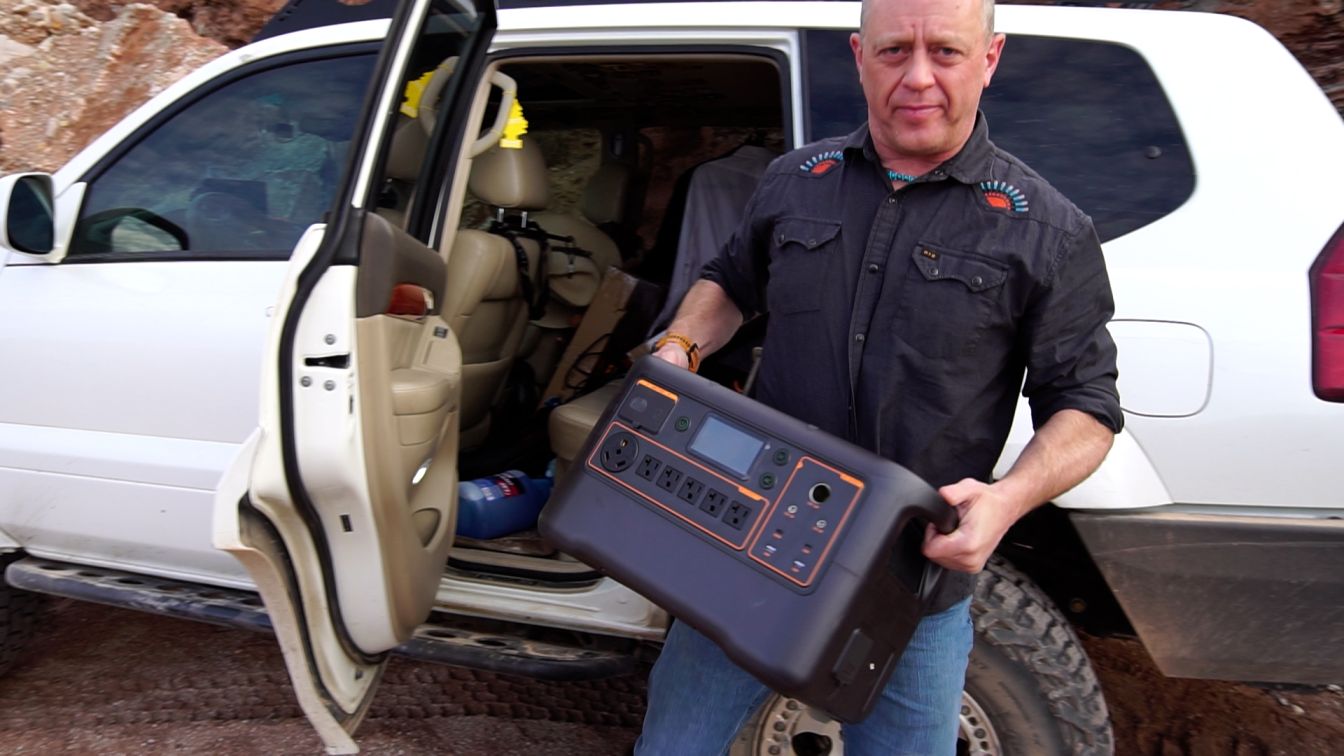
The first thing I noticed is that this is a serious power station. It is not one of those little phone chargers that gets tossed in a drawer and forgotten.
The ArcShield 3000 has a solid body, strong handles, regular outlets, USB ports, DC power options, solar charging connections, and a display on the front that shows what the unit is doing.
That front layout matters.
In an outage, simple gear is better than complicated gear. If the refrigerator is off, the house is dark, and everyone is trying to charge a phone, nobody wants to guess where things plug in.
The ArcShield 3000 is pretty straightforward. The outlets are easy to find. The screen is easy to read. The buttons are where they should be.
That may sound basic, but basic is good when the lights are out.
Why This Matters for Preppers
Most of us already understand the value of a gas generator. I am not against them. They have a place.
But they also come with problems.
They need fuel. They need maintenance. They make noise. They produce fumes. They have to run outside. During a longer outage, that noise can tell everyone nearby that power, fuel, and supplies are available at your place.
A solar generator fills a different role.
The ArcShield 3000 stores power in a large battery and makes it available through regular outlets and charging ports. It can be charged from the wall ahead of time. When the sun is available, it can also be charged from solar panels.
That gives a family a quiet backup option for essential needs.
Think refrigerator, freezer, lights, phones, radios, rechargeable batteries, and selected medical or health-related devices that have already been tested.
That is the kind of thing I care about in a blackout.
Not every comfort item in the house. The important stuff.
The Setup Is Easy to Follow
Some solar power systems feel like they were designed for people who already know solar power systems.
That is not helpful for the average household.
The ArcShield 3000 feels more approachable. Charge it. Turn on the section needed. Plug in the device. Watch the display.
That is the basic process.
This matters because emergency gear has to pass what I call the family test. If only one person in the house knows how to use it, that is a weak point. A spouse, older child, or parent should be able to understand the basics after a little practice.
The easiest way to think about this unit is simple:
The battery stores the power.
The outlets deliver the power.
The display shows what is happening.
The solar panels help put power back in.
That is enough for most people to start using it wisely.
A refrigerator can be powered to help protect food. Phones and radios can stay charged. A few LED lights can make the house safer at night. A modem or router may help if internet service is still working. Medical devices should be tested ahead of time so there are no surprises.
That is how a power station becomes part of a real plan.
The Front Panel Helps Control Power Use
The front panel is one of the most useful parts of the ArcShield 3000.
The display shows battery status and power use. That helps a lot because guessing wastes power.
If a refrigerator is pulling more power than expected, run it when needed and save the rest of the battery. If phones and radios draw very little, keep them charged. If the battery starts dropping faster than planned, reduce the load.
That is common-sense power management.
Stored power should be treated like stored water or stored food. It is useful, limited, and worth managing carefully.
The ArcShield 3000 makes that easier because the information is right there on the screen.
Solar Charging Changes the Situation
A battery gives stored power.
Solar panels give a way to recover some of that power during the day.
That is where the ArcShield 3000 gets more interesting for preppers. Sunlight, weather, panel angle, shade, and season all matter. Nobody should expect perfect charging every time.
Still, having a way to recharge from the sun is a major advantage.
In a short outage, the battery may be enough. In a longer outage, solar charging can help stretch the system further.
The idea is simple: use power carefully overnight, put the panels out during the day when conditions are good, and keep the important devices at the top of the list.
That is a much better position than having a battery with no way to refill it.
The RV Test Shows Where It Fits
The RV-style test made sense to me right away.
This kind of unit fits beside a camper, at a cabin, in a hunting camp, in a work shed, or as part of a bug-out setup. It gives off-grid power without the constant noise of a fuel generator.
Quiet power is useful in normal life. In a grid-down situation, it can matter even more.
A loud generator announces itself. A solar generator keeps a lower profile.
The RV test also shows that the ArcShield 3000 does not have to sit untouched until something bad happens. Use it on a weekend trip. Use it around the yard. Use it during a family power drill.
Gear that gets used becomes familiar.
Familiar gear is what people can count on when something goes wrong.
What I Would Power First
If the power went out, I would start with priorities.
Food preservation comes first. A refrigerator or freezer full of food is worth protecting, especially for families that store meat, vegetables, prepared meals, or other supplies.
Communication comes next. Phones, emergency radios, walkie-talkies, and rechargeable batteries all matter more during an outage.
Lighting is another priority. A few LED lights in key areas can make a dark house safer without using much power.
Health-related devices may also matter. Anyone relying on a CPAP, medication refrigerator, mobility device, or similar equipment should test it ahead of time and know the runtime.
Then come small tools and battery chargers. Flashlights, lanterns, cordless tools, and small rechargeable devices all support the larger plan.
Used that way, the ArcShield 3000 helps keep a household organized when normal power is gone.
Final Thoughts
After testing the ArcShield 3000 through the unboxing, controls, solar setup, and RV-style use, I understand why Alec Deacon wanted it reviewed.
This is a serious backup power system for people who want a better plan when the grid goes down.
It gives a family quiet power, a clear display, familiar outlets, solar charging, and enough flexibility to support several real-world situations.
Food can be protected. Phones can stay charged. Radios can keep running. Lights can stay on. Selected essential devices can be powered. When conditions allow, solar panels can help recover power during the day.
That kind of control can make a blackout much easier to handle.
As a family backup generator, RV power source, and emergency solar power system, the ArcShield 3000 makes a strong case for itself.
For preppers who want quiet, fuel-free power and a system that non-technical people can understand, it is worth a serious look.
>>I recommend getting it through this link so you can claim the full bundle with all the free extras and bonuses before the offer changes.<<
Others Are Watching Now:



















































Would love to have one, but would never be able to afford one on Social Security, We not immigrants so our government does give us SNAP cards, pay our rent or utility bills. and free.medical,. We have to struggle to pay high utility. bill, under Biden it was $800 under.Trump its been $500, but when air conditioning is turned on it will go up.
Was thinking when Doge mentioned tariff reliefs, I thought oh maybe we could get a solar generator then, but Supreme Court blew that out of the park.. So if we have an outrage, I have no cell phone to worried about charging, my meat in freezer will keep a few days, we’ve always, know what our government plan is, kill off the elderly first and less fortune first. It will be in God hands, I have a small garden.
God bless you, and keep you safe.
Nancy