

























Thanksgiving may be the best place in America to see what is happening inside the food system, and not because dinner is unaffordable. It is because nearly every major agricultural supply chain lands on one table. Turkey, beef, potatoes, vegetables, bread, butter, eggs, sugar and coffee arrive together, and once they do, something shows up that the headline number hides.
USDA’s current outlook has grocery prices averaging about 2.3 percent higher in 2026, which sounds dull. Underneath it, beef and veal are up 8.7 percent, sugar and sweets 6.5 percent, fresh vegetables 5.8 percent and nonalcoholic beverages 4.4 percent, while dairy slips 0.4 percent and eggs fall 29.3 percent.
That spread tells me far more than 2.3 percent ever could.
The Turkey Is Already Telling On Itself
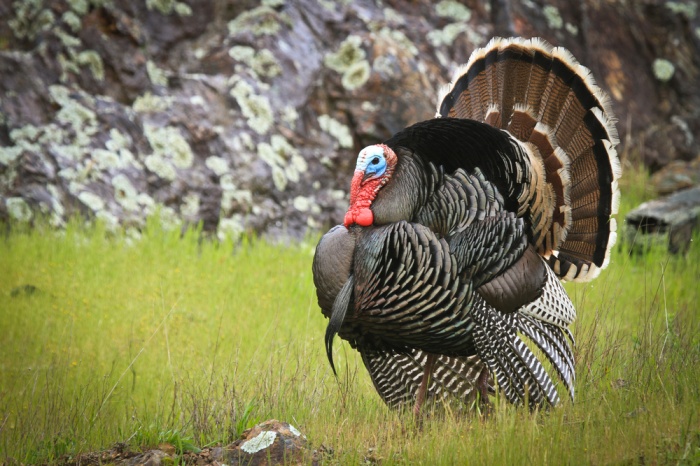
The industry went into this year badly contracted. Production fell from 5.74 billion pounds in 2020 to 4.84 billion in 2025, and is recovering now, with about 5.13 billion pounds projected for 2026.
Here is the part worth noticing. The wholesale price of frozen hen turkeys averages about $1.77 a pound this year against $1.36 in 2025, a rise of roughly 30 percent. Meanwhile the advertised retail price has barely moved, with one chain running frozen whole birds at 79 cents a pound for the third year running and another holding a national brand at 97 cents, unchanged from last year.
So the bird on the front of the circular is a loss leader, priced to get you through the door while the cost behind it climbs 30 percent. It is the clearest example on the table of why a shelf price lags.
Avian influenza has not gone away either, and Iowa confirmed its first commercial case of 2026 this month in 45,000 birds. Losses are nowhere near enough to threaten national supply, and nobody will find an empty meat counter. But an industry rebuilding while disease moves through the background has little margin for error.
Beef Is The Slow Problem
Beef and veal at 8.7 percent is close to four times the grocery average. Supply has been tight, production has run below year-ago levels for most of 2026, and that is expected to continue.
What matters for preparedness is that a cattle shortage cannot be fixed quickly. Retaining breeding females, getting calves on the ground and growing them to market weight takes years, so beef behaves nothing like something a factory can make more of. That price is about biology, not logistics.
Watch The Farm Gate, Not The Shelf
This is the habit I would most like to pass on, because the interesting numbers sit one step upstream.
Retail fresh vegetables are forecast up 5.8 percent. At the farm level, the vegetable and melon price index sat at 167.4 in September, up about 24 percent on the year. Shoppers have felt nothing like that, since retail prices carry transportation, labor, processing and margin, so farm moves never pass straight through.
Bread works the same way in reverse. Cereal and bakery products are among the slower movers this year, which looks reassuring until you check the wheat. The September farm price for all wheat was $6.30 a bushel against $4.76 a year earlier, about 32 percent higher. That does not mean a loaf will cost a third more, since the wheat inside it is a small share of the retail price, but I note it anyway.
When a raw ingredient moves hard while the finished product sits still, one of three things follows. Processors absorb it, consumers feel it later, or the commodity falls back before anybody notices. Knowing which is in progress is worth more than knowing this month’s average.
Butter And Eggs Are Moving The Other Way
Then I reach for the butter, and the table makes my argument for me. Dairy is expected to decline about 0.4 percent on strong milk output. So while beef climbs 8.7 percent, another part of dinner gets slightly cheaper, and averaging those gives a calm number that describes neither market.
Eggs teach the sharper lesson of the two. After a punishing run of increases driven by avian influenza culling laying flocks, production recovered and the forecast is now 29.3 percent lower for 2026. The point is not that eggs are permanently cheap again, but that agricultural prices move violently when disease removes production, then reverse when supply rebuilds. The grocery average smooths all of that away, and I do not.
One Pie, Four Different Markets
Dessert looks simple until you separate the ingredients, because flour, sugar, butter, eggs and cream come from different systems.
Sugar and sweets are among the faster risers at 6.5 percent, butter and cream come from a market moving down, and eggs have fallen hard while wheat moved sharply at the farm gate. One pie, four different price stories. There is no single food market, only dozens of overlapping ones.
The coffee afterward belongs to another set of risks, outrunning the average at 7.1 percent over the twelve months through September, because that cup depends on weather in Brazil and Vietnam, on currency, shipping and global inventories. Cranberries make the same case from the other end, grown in so few regions that one bad season looks nothing like national inflation.
Same dinner, with different vulnerabilities underneath.
The Spread Is The Signal
When every category rises together, I think about broad inflation. When one jumps while another falls, I look for something specific: disease, drought, a smaller herd, a bad harvest, a processing bottleneck, import dependence, feed costs.
So I have stopped asking how much food went up. I ask which food, how much faster than everything else, why, and how quickly producers can respond. Those answers tell me whether a problem disappears next month or sits on the table for years.
The practical response is boring, which is usually a good sign. If beef is expensive, other proteins stay in the rotation, and if baking goods are cheap and we use them, I keep a reserve. I buy ahead on real sales rather than waiting until I need something, learn substitutes before the price forces me to, and keep enough ordinary food in the house that one bad category cannot rewrite the family menu.
Thanksgiving should be about the people around the table. But before anybody arrives, the receipt is worth five minutes. When one category rises four times faster than groceries overall while another falls by double digits, the distance between them shows where the system is under strain.
That is the warning label I read.
Others Are Watching Now:






Resources
USDA Economic Research Service (ERS). Food Price Outlook.
https://www.ers.usda.gov/data-products/food-price-outlook/summary-findings
USDA Economic Research Service (ERS). Turkey Sector Background Statistics.
https://www.ers.usda.gov/newsroom/trending-topics/turkey-sector-background-statistics
The Shelby Report. Wholesale Turkey Holds Near $1.80 a Pound as Grocers Advertise 79 Cents. (November 13, 2026)
https://theshelbyreport.com/2026/11/13/wholesale-turkey-holds-near-1-80-a-pound-as-grocers-advertise-79-cents/
USDA National Agricultural Statistics Service (NASS). Agricultural Prices, October 2026.
https://esmis.nal.usda.gov/sites/default/release-files/796128/agpr1026.txt
WattAgNet. Iowa Confirms First Commercial HPAI Case of 2026.
https://www.wattagnet.com/poultry-meat/diseases-health/avian-influenza/news/16274660/iowa-confirms-first-commercial-hpai-case-of-2026
Profile News. September 2026 US Food Price Changes.
US Food Prices: What Actually Got More Expensive on Store Shelves?