


















Americans are used to hearing the word “emergency.”
A storm becomes an emergency. A virus becomes an emergency. A border problem, fuel problem, housing problem, drug problem, banking problem, or public safety problem can all become emergencies in the language of government.
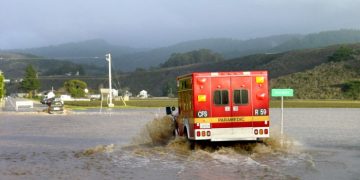
Sometimes that language is justified. Real disasters require fast action. Floods, fires, disease outbreaks, riots, blackouts, and attacks can overwhelm normal systems. In those moments, temporary emergency authority can help move resources, open funding, waive certain procedures, and coordinate response.
The danger comes when temporary becomes normal.
A rule passed for the crisis lingers after the crisis fades. A power granted for one purpose becomes useful for another. A deadline gets extended again. A restriction stays in place because removing it would be inconvenient. A population slowly adjusts to living under rules that were never meant to become ordinary life.
A prepper should understand this pattern.
Emergency Powers Are Real Powers
Emergency declarations are not just speeches.
Depending on the law involved, they can unlock money, activate agencies, redirect resources, waive normal procedures, alter deadlines, expand enforcement, control access to certain areas, restrict movement, regulate businesses, and change how health, transportation, housing, energy, or public safety rules are applied.
Those powers vary by federal, state, and local law. A hurricane declaration is different from a public health emergency. A city curfew is different from a national emergency. A disaster relief order is different from a security measure.
Still, the basic lesson is the same. When an emergency is declared, normal rules may shift.
A prepared citizen pays attention to what actually changed.
Read The Order, Not Just The Headline
Most people react to the headline.
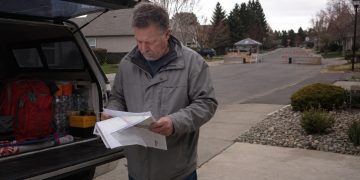
A prepper should find the actual order, notice, proclamation, or local announcement. Headlines tell you the mood. The order tells you the rules.
Look for plain details.
- Who issued it?
- What area does it cover?
- When does it begin?
- When does it end?
- What powers does it activate?
- What behavior is restricted?
- What businesses, roads, services, or activities are affected?
- What penalties are mentioned?
What exceptions exist for work, medical needs, caregiving, religious activity, farming, deliveries, or evacuation?
This habit keeps you from depending on rumor. It also helps you avoid unnecessary trouble. In a tense situation, ignorance of the rule may not protect you.
Watch The Expiration Date
One of the most important parts of any emergency order is the end date.
Some orders end automatically. Some require renewal. Some remain in effect until the official who issued them terminates them. Some are extended quietly through routine paperwork.
That is where permanent temporary rules begin.
A prepper should keep a simple record of local and state emergency declarations that affect his life. Write down the date issued, the expiration date, the renewal date, and the practical effect on your household.
This is not a lawyer’s exercise. It is a freedom exercise.
A citizen who tracks rules can see whether the emergency is narrowing, expanding, or simply becoming background noise.
Expect Movement To Be Affected First
Movement is often one of the first things emergency rules touch.
Roads may close. Bridges may be blocked. Fuel access may be limited. Certain zones may become restricted. Curfews may be imposed. Evacuation routes may be controlled. Checkpoints may appear after storms, fires, civil unrest, or hazardous spills.
A family that waits until the order is in force may have fewer choices.
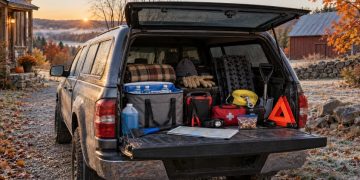
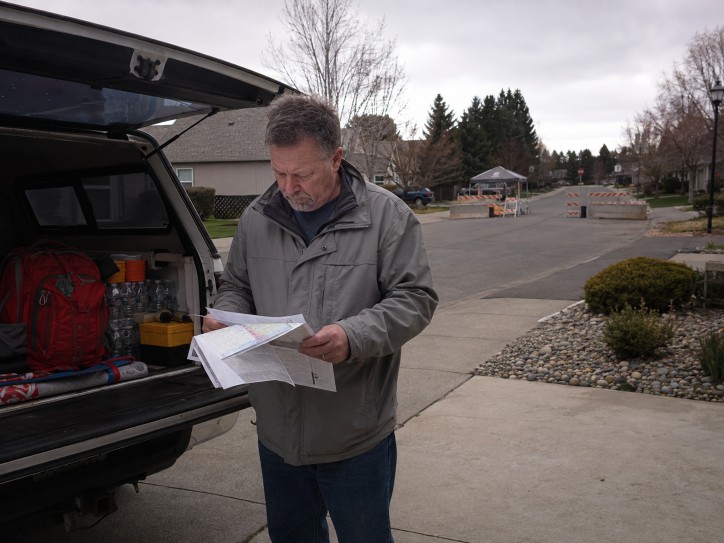
Build flexibility before you need it. Know alternate routes. Keep paper maps. Store fuel safely and legally. Keep vehicles maintained. Know where you can stay outside your immediate area. Keep important documents ready to grab.
If movement becomes restricted, the prepared family should already know its options.
Keep Your Papers In Order
Emergency rules often make paperwork matter more.
You may need identification, vehicle registration, insurance papers, medical documents, prescriptions, proof of address, work credentials, property records, custody documents, pet records, or copies of licenses and permits.
Do not assume digital access will work.
Power may be out. Cell service may fail. Government websites may crash. A phone battery may die at the worst possible time.
Keep paper copies in a waterproof folder. Keep a second set in your go bag or vehicle. Store digital copies on an encrypted drive if you know how to manage one safely.
A man with his papers in order solves problems faster.
Build A Household That Can Pause
Permanent temporary rules become more painful when your household depends on constant movement and daily resupply.
If every prescription refill is last minute, every grocery trip is urgent, every paycheck is already spent, and every errand depends on open roads, you are easier to control by circumstance.
Preparedness gives you margin.
Store food. Store water. Keep basic medicine and hygiene supplies. Maintain extra pet food, baby items, elder-care supplies, batteries, cooking fuel, cash, and repair items. Keep a reasonable buffer of prescription medications where legally and medically possible.
The goal is simple. If new rules, closures, or delays appear overnight, your family should be able to pause without panic.
Protect Income Flexibility
Emergency rules often hit work before people expect it.
A business may close. Hours may change. Travel rules may interfere with commuting. Licensing requirements may shift. Supply chains may break. A client may disappear. A permit office may slow down. A job that seemed stable may become fragile because the rulebook changed.
A prepper should think about income resilience.
Build useful skills. Reduce debt. Keep some cash. Maintain tools. Strengthen relationships with local people who know your work. Learn how to do practical things others need when systems are strained.
Freedom is easier to preserve when your household is not financially desperate.
Stay Lawful And Low Profile
There is a foolish kind of defiance that creates trouble without creating freedom.
A prepper should be careful here. If a rule is unlawful, citizens have courts, elections, public comment, local officials, attorneys, peaceful assembly, and lawful pressure. Those tools matter.
Arguing at a checkpoint, threatening a clerk, ignoring a lawful evacuation order, or turning a basic encounter into a confrontation usually makes life harder for your family.
Stay calm. Stay lawful. Document what matters. Ask for written guidance when possible. Keep names, dates, and copies. Appeal through proper channels. Vote in local races. Attend meetings. Know who your sheriff, mayor, county officials, and state representatives are.
Low profile does not mean passive. It means disciplined.
Build Local Relationships Before Rules Tighten
When emergency rules drag on, relationships become more important.
A neighbor may know which road is open. A church member may have space for evacuees. A local farmer may understand supply problems before the store does. A mechanic may help keep your vehicle running when parts are delayed. A nurse may know which clinic is still functioning. A small-town official may explain what the order actually means on the ground.
You build that network before the crisis.
Help people. Be useful. Be fair. Keep your word. Share information carefully. Do not become the neighborhood alarm bell. Become the steady person others can trust.
A household with strong local ties has more options under pressure.
Keep A Freedom Checklist
Every family should have a simple freedom checklist.
- Can we leave town quickly?
- Can we stay home for two weeks without shopping?
- Can we prove who we are and where we live?
- Can we communicate if phones are unreliable?
- Can we work around a curfew or road closure legally?
- Can we care for children, elders, and pets if services slow down?
- Can we get news from more than one source?
- Can we keep earning if one income stream is interrupted?
- Can we worship, gather, help, and serve within the law while keeping our household safe?
These questions turn a big political problem into practical household readiness.
Do Not Let Emergencies Train You Into Helplessness
The deeper danger of endless emergency rule is not only legal. It is mental.
People begin to wait for permission. They wait for instructions. They wait for officials to explain every step. They stop solving small problems. They lose the habit of local responsibility.
That is no way to live.
A free household stays capable. It reads the rules, but it does not surrender its judgment. It respects lawful authority, but it does not confuse government action with personal responsibility. It prepares quietly so it can move, pause, work, worship, help, and endure with less fear.
Emergency declarations may come and go. Some may be necessary. Some may be stretched too far. Some may fade on paper while their habits remain.
Your job is to keep your family steady through all of it.
Read the orders. Watch the expiration dates. Keep your papers ready. Build your pantry. Maintain your vehicle. Strengthen local relationships. Stay lawful. Stay flexible. Stay free in the ways that still belong to you.
Because temporary rules have a way of lasting longer than promised.
A prepared citizen notices early and lives with enough margin to avoid being trapped by them.
Others Are Watching Now:

















































My preparedness takes this into account. In the harsh times to come, my preparedness designs are to not fight what will self destruct anyway. Instead, I’ll disappear from the insanity. The thing about instability and unsustainability is it won’t last long, so I won’t be among it to be brought down with it.
AMEN