









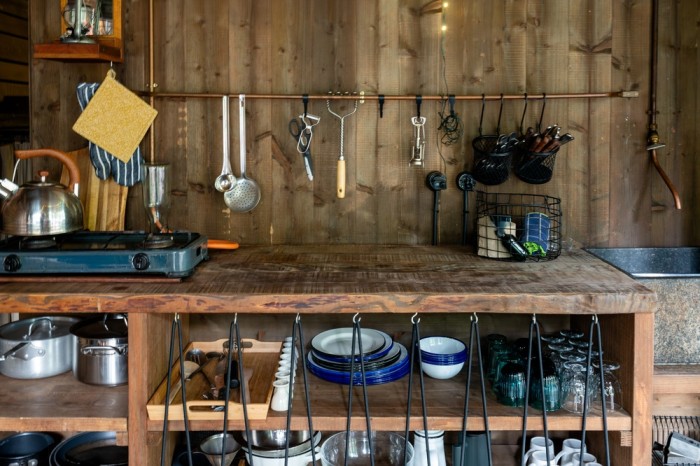
When the power goes out, the kitchen becomes one of the first rooms that matters.
A family can sit in the dark for a while. They can live without television, internet, and most conveniences. But they still need food, safe water, clean dishes, and a way to keep sickness out of the house. If the outage lasts more than a few hours, the normal kitchen has to become something stronger.
It has to become a grid down cooking center.
That does not require a cabin, a wood cookstove, or a full outdoor kitchen. A standard American kitchen can be adapted with planning, safe backup heat, simple meals, water discipline, and better food handling habits.
The time to do that is before the lights go out.
Start With A Clear Cooking Plan
Most modern kitchens depend on electricity.
Even homes with gas stoves may have electric ignition, electric ovens, powered ventilation, refrigerators, freezers, microwaves, coffee makers, dishwashers, garbage disposals, and electric water heaters.
A grid down kitchen needs layers.
Your first layer is normal cooking. Your second layer may be a gas stovetop, if it works safely during an outage. Your third layer should be a backup method such as a propane camp stove, butane burner, charcoal grill, rocket stove, wood fire, solar oven, or outdoor cooking setup.
The important rule is safety. Never use charcoal grills, camp stoves, propane burners, or generators inside the house or garage. Carbon monoxide can kill a family quietly. Outdoor cooking means outdoors, with ventilation and distance from open windows and doors.
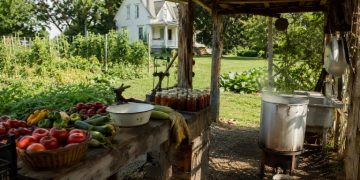
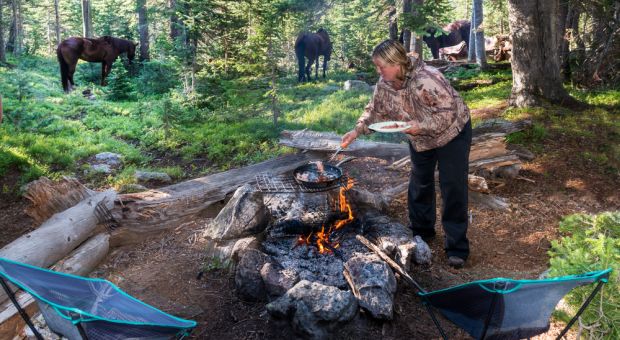
Set Up A Safe Outdoor Cooking Station
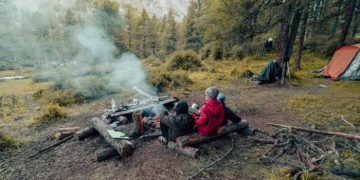
If your main backup heat source must be used outside, decide where it goes before the storm arrives.
Choose a flat, sheltered spot away from flammable walls, dry leaves, curtains, deck railings, and fuel cans. Keep a small table, metal tray, or stable surface ready. Store matches, lighters, fire starters, gloves, a flashlight, and basic utensils together.
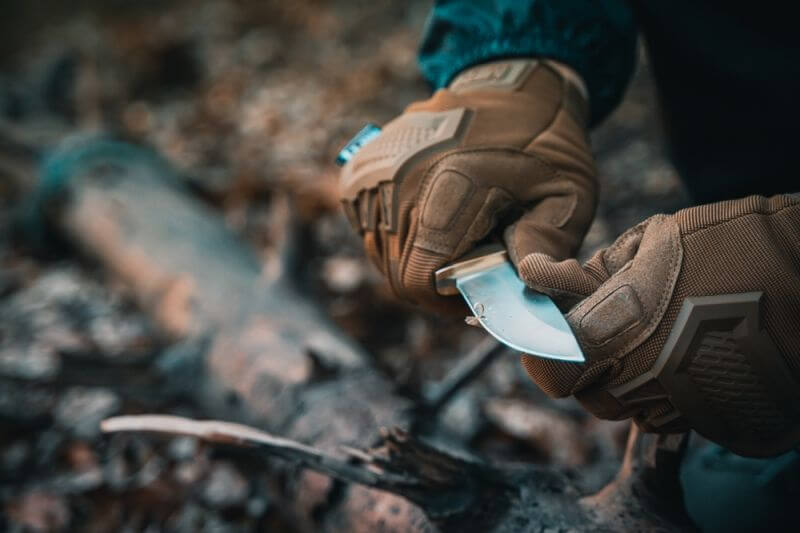
A simple outdoor kit should include a pot, pan, kettle, manual can opener, long spoon, knife, cutting board, foil, towels, lighter, fuel, and fire extinguisher.
Do a test meal in good weather. Learn how long your stove takes to boil water. Learn how much fuel one meal uses. Learn where the wind causes trouble.
Practice removes confusion later.
Plan No Power Meals
The easiest outage meals are the ones your family already knows.
Keep foods that can be eaten cold, warmed quickly, or cooked with little fuel. Canned meat, canned beans, tuna, sardines, soups, chili, peanut butter, crackers, tortillas, oats, instant rice, pasta, shelf-stable milk, powdered potatoes, broth, dried fruit, nuts, honey, coffee, tea, and comfort foods all have a place.
Think in meal combinations:
- Canned chicken with rice.
- Tuna with crackers.
- Beans with tortillas.
- Soup with bread.
- Oatmeal with dried fruit.
- Canned beef with potatoes.
- Peanut butter with apples or crackers.
The goal is to feed people without turning every meal into a long cooking project. In a blackout, fuel, water, light, and patience all become limited.
Use The Refrigerator And Freezer Wisely
When the power fails, the cold food clock starts.
Keep refrigerator and freezer doors closed as much as possible. Decide what you need before opening. If you have a thermometer, use it. Cook and eat the most perishable foods first, especially meat, dairy, leftovers, and opened items.
A full freezer stays cold longer than an empty one. Frozen water bottles can help fill space and provide backup drinking water later.
If the outage continues, organize meals in order. Refrigerator food first. Freezer food next if it begins to thaw safely. Shelf-stable pantry foods after that.
Do not gamble with spoiled food. One bad meal can make a hard situation much worse.
Make Water Part Of The Kitchen System
Cooking without water is difficult. Cleaning without water is dangerous.
Store water near the kitchen if possible. Keep some in larger containers and some in smaller bottles or jugs that are easy to pour. You need water for drinking, cooking, handwashing, dishwashing, and wiping surfaces.
Set up a simple handwashing station if the tap stops working. A jug with a spigot, soap, a catch basin, and a towel can protect the whole household.
Use water in stages. Cleanest water for drinking and cooking. Lesser water for washing dishes. Dirty water for flushing, if appropriate.
Hot water helps with grease and hygiene, so keep a kettle or pot ready for heating water safely.
Keep Dishes Simple
A grid down kitchen should reduce cleanup.
Use one-pot meals when possible. Eat from bowls instead of multiple plates. Wipe grease and food scraps from dishes before washing. Wash the cleanest items first and the dirtiest items last.
If water is very limited, paper plates may help for a short outage. For a longer emergency, washable dishes are more sustainable. Keep extra dish soap, scrub pads, towels, vinegar, baking soda, and trash bags on hand.
Do not let dirty dishes pile up. Food residue brings pests, smell, and sickness.
Control Waste And Pests
A powerless kitchen can get dirty fast.
Food scraps, spoiled freezer items, dirty cans, greasy wrappers, and open trash attract insects, rodents, dogs, raccoons, and worse. Keep trash sealed. Rinse meat and fish cans if you have enough water. Move waste away from the house when safe. Keep counters wiped and food covered.
If food spoils, separate it quickly. Do not let it contaminate good food or cooking surfaces.
Cleanliness is part of survival.
Store The Small Tools That Matter
Many grid down failures come from missing simple items.
A manual can opener is essential. So are matches, lighters, batteries, headlamps, pot holders, work gloves, thermometer, aluminum foil, cutting board, sharp knife, water filter, coffee method, and a way to light the cooking area.
Keep these items in one place. Label the box if needed. A kitchen emergency kit saves time when everyone is tired and the room is dark.
Protect The Cook
In many homes, one person carries the burden of feeding everyone.
Make the system easy enough that others can help. Write down simple meals. Teach children where supplies are. Show adults how to use the backup stove safely. Keep recipes simple and visible.
A grid down kitchen should not depend on one exhausted person remembering everything.
Turn The Kitchen Into A Calm Center
Food steadies a household.
A hot drink during a cold outage, soup after a storm, oatmeal in the morning, or a simple dinner by lantern light can keep fear from taking over the home. That is why the kitchen matters so much.
Prepare it now.
Store fuel safely. Plan meals. Protect water. Practice outdoor cooking. Keep tools together. Learn food safety rules. Make cleanup part of the plan.
When the grid fails, the family with a working kitchen has more than food.
It has order.
Others Are Watching Now:
































My gas oven is converted to propane for convenience, but I’ll convert it back to methane in the harsh times to come to use a digestor producing methane for cooking.