













Survivopedia
  • HOME
  • GENERAL PREP
    • All
    • Disaster Scenarios
    • EMP
    • Natural Disasters
    • Survival News
    • Survival Skills

    How To Train A Dog As A Useful Survival Companion, Not Just A Pet

    If The Roads Closed Overnight: How Each Culture Would Respond To Sudden Isolation

    Firecraft In Community Life – How Native, Pioneer, and Amish Families Used Fire Beyond Cooking

    Knot Work for Homesteads and Camps

    Knot Work for Homesteads and Camps

    Water Wisdom: Springs, Wells, And Rivers Through Native, Pioneer, And Amish Eyes

    Teaching Children Courage Without Teaching Them Panic

    Historic Methods For Keeping Insects Off People, Food, And Bedding

    From Hobby to Lifeline – Turning Crafts into Crisis Skills

    How to Make Fire Without Matches: The Bow Drill

    • SHTF SCENARIOS
      • Survival Skills
      • Disaster Scenarios
      • Natural Disasters
      • WATER
      • FINANCIAL
      • WAR & CONFLICTS
      • emp
    • EQUIPMENT
      • Bug-Out-Vehicle
      • Firearms
      • COMMUNICATION
    • ENERGY
      • ENERGY
      • Energy Sources
      • Electric Equipments
      • Consumption Control
  • WEAPONS
    • All
    • Cold Weapons
    • Firearms
    • Regulations
    Field Reloading

    Field Reloading

    Fully Automatic Firearms? No Thanks!

    Are Alternative Weapons Practical in a Post-Disaster World?

    How To Travel With A Firearm

    The Ultimate Survival Knife: How to Pick the Right One

    A Sharp Edge: Choosing the Best Survival Knife for Prepping and Self-Defense

    Is There a Place for “Fast Draw” in Survival?

    Indispensable Gear for your EDC Core Layer

    Best 17 silent weapons for when SHTF

    Best 17 silent weapons for when SHTF

    • Firearms
    • Cold Weapons
    • Defense
    • Privacy & Data Protection
    • Regulations
  • FOOD
    • All
    • Cooking
    • Farm Animals
    • Farming
    • Food Storage
    • Hunting
    • Plants & Gardening

    Why Stored Canned Meat Belongs In Every Crisis Pantry

    Cooking On A Hearth Or Open Fire: Old World Kitchen Skills For Modern Preppers

    Clay Pot Refrigeration: Old Tech That Still Cools Food

    From Farm to Faith: What Homesteading Teaches Us About God and Grit

    How I Finally Became Food Independent

    How I Finally Became Food Independent

    Tracking Like a Native Scout: Sign, Age & Counter-tracking

    Fermented Foods for Gut Health During Long-Term Collapse

    Amish Root Beer and Old-World Fermentation

    Amish Root Beer and Old-World Fermentation

    Food Prices Are Still Climbing: Are You Two Harvests Behind?

    Food Prices Are Still Climbing: Are You Two Harvests Behind?

    • Food Storage
    • Cooking
    • Farm Animals
    • Hunting
    • Plants & Gardening
  • Store
  • Newsletter
No Result
View All Result
  • HOME
  • GENERAL PREP
    • All
    • Disaster Scenarios
    • EMP
    • Natural Disasters
    • Survival News
    • Survival Skills

    How To Train A Dog As A Useful Survival Companion, Not Just A Pet

    If The Roads Closed Overnight: How Each Culture Would Respond To Sudden Isolation

    Firecraft In Community Life – How Native, Pioneer, and Amish Families Used Fire Beyond Cooking

    Knot Work for Homesteads and Camps

    Knot Work for Homesteads and Camps

    Water Wisdom: Springs, Wells, And Rivers Through Native, Pioneer, And Amish Eyes

    Teaching Children Courage Without Teaching Them Panic

    Historic Methods For Keeping Insects Off People, Food, And Bedding

    From Hobby to Lifeline – Turning Crafts into Crisis Skills

    How to Make Fire Without Matches: The Bow Drill

    • SHTF SCENARIOS
      • Survival Skills
      • Disaster Scenarios
      • Natural Disasters
      • WATER
      • FINANCIAL
      • WAR & CONFLICTS
      • emp
    • EQUIPMENT
      • Bug-Out-Vehicle
      • Firearms
      • COMMUNICATION
    • ENERGY
      • ENERGY
      • Energy Sources
      • Electric Equipments
      • Consumption Control
  • WEAPONS
    • All
    • Cold Weapons
    • Firearms
    • Regulations
    Field Reloading

    Field Reloading

    Fully Automatic Firearms? No Thanks!

    Are Alternative Weapons Practical in a Post-Disaster World?

    How To Travel With A Firearm

    The Ultimate Survival Knife: How to Pick the Right One

    A Sharp Edge: Choosing the Best Survival Knife for Prepping and Self-Defense

    Is There a Place for “Fast Draw” in Survival?

    Indispensable Gear for your EDC Core Layer

    Best 17 silent weapons for when SHTF

    Best 17 silent weapons for when SHTF

    • Firearms
    • Cold Weapons
    • Defense
    • Privacy & Data Protection
    • Regulations
  • FOOD
    • All
    • Cooking
    • Farm Animals
    • Farming
    • Food Storage
    • Hunting
    • Plants & Gardening

    Why Stored Canned Meat Belongs In Every Crisis Pantry

    Cooking On A Hearth Or Open Fire: Old World Kitchen Skills For Modern Preppers

    Clay Pot Refrigeration: Old Tech That Still Cools Food

    From Farm to Faith: What Homesteading Teaches Us About God and Grit

    How I Finally Became Food Independent

    How I Finally Became Food Independent

    Tracking Like a Native Scout: Sign, Age & Counter-tracking

    Fermented Foods for Gut Health During Long-Term Collapse

    Amish Root Beer and Old-World Fermentation

    Amish Root Beer and Old-World Fermentation

    Food Prices Are Still Climbing: Are You Two Harvests Behind?

    Food Prices Are Still Climbing: Are You Two Harvests Behind?

    • Food Storage
    • Cooking
    • Farm Animals
    • Hunting
    • Plants & Gardening
  • Store
  • Newsletter
No Result
View All Result
Survivopedia
No Result
View All Result
Home HEALTH Natural Remedies

Herbs And Foods That Support The Immune System During Long Stressful Times

When people think about the immune system, they often think about a pill bottle.

That is the wrong place to start.

During a long emergency, your immune system is not helped by one magic herb or one expensive supplement. It is helped by the daily basics: enough protein, enough calories, clean water, decent sleep, lower stress when possible, and food that gives the body what it needs to repair and defend itself.

Preppers need to think about immune support in a plain way. Your body is the machine. Food is the supply line. Stress, cold, poor sleep, dirty water, and bad sanitation are the things wearing that machine down.
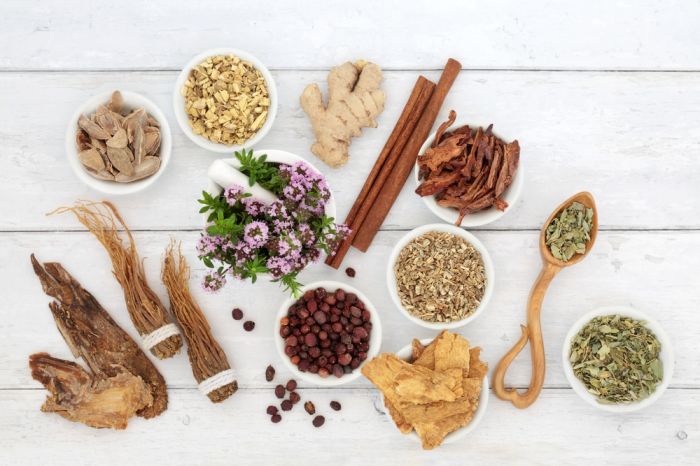
Herbs and nutrient-dense foods can help, but they work best as part of a steady plan.

Start With Protein

Protein is one of the first things I look for in a crisis pantry.

The body uses protein to repair tissue, make immune cells, heal wounds, and keep strength up. If a family is living mostly on plain rice, pasta, and crackers, they may be getting calories but still running weak.

Good prepper protein sources include canned meat, canned fish, eggs, beans, lentils, peanut butter, powdered milk, jerky, freeze-dried meat, nuts, seeds, and shelf-stable protein powders if your family uses them well.

You do not need a fancy diet. You need meals that keep people working.

Beans with rice. Tuna with crackers. Canned chicken in soup. Eggs with potatoes. Peanut butter on bread. Lentils with canned tomatoes. Simple meals like these do more for the immune system than a cabinet full of miracle products.

Keep Vitamin C Foods In The Pantry

Vitamin C matters because the body uses it for immune function, wound healing, and healthy tissue.

Fresh citrus is useful when you can get it, but preppers need shelf-stable options too. Store canned tomatoes, tomato paste, canned fruit, freeze-dried berries, dried rose hips, powdered drink mixes with vitamin C, and garden seeds for greens.

Peppers, cabbage, broccoli, strawberries, potatoes, and leafy greens are also useful when you can grow or buy them.

The old lesson from sailors still applies: long food storage with no fresh or preserved vitamin-rich foods can eventually hurt people.

A crisis pantry should not be only white flour, sugar, and rice.

Do Not Forget Zinc

Zinc is another important nutrient for immune function and wound healing.

Good food sources include meat, seafood, poultry, beans, nuts, seeds, whole grains, and dairy. For preppers, that means canned beef, canned chicken, sardines, tuna, pumpkin seeds, lentils, beans, oats, powdered milk, and hard cheeses when refrigeration is available.

Be careful with high-dose zinc pills. More is not always better. Too much zinc for too long can cause problems and may interfere with other nutrients.

Food first is the safer rule for most households.

Use Garlic Like Food, Not Magic

Garlic belongs in a prepper kitchen.

It stores well in several forms, including fresh bulbs, dried garlic, garlic powder, minced garlic, and freeze-dried garlic. It adds flavor to dull meals, and it has a long history of use during cold and flu seasons.

Use it in soup, beans, rice, stews, broth, meat dishes, and vegetables. In hard times, flavor matters because people eat better when food tastes good.

There is one warning. Garlic supplements can increase bleeding risk in some people, especially those taking blood thinners or aspirin. Food amounts are usually the better choice for a normal kitchen.

Ginger Helps When Stress Hits The Stomach

Ginger is another useful plant to keep around.

It is not mainly an “immune booster” in the way people advertise products online, but it can be helpful when stress, bad travel, or illness upsets the stomach. A person who cannot keep food down becomes weaker fast.

Store dried ginger, ginger tea, candied ginger, or powdered ginger. It can be used in tea, oatmeal, soups, rice dishes, and simple broths.

Some people get heartburn or stomach irritation from ginger, so do not overdo it.

Elderberry Must Be Handled Correctly

Elderberry is popular during cold and flu season, and some people like keeping elderberry syrup in the home.

If you use it, remember this clearly: raw or unripe elderberries and parts of the plant can make people sick. Elderberry must be prepared properly.

For most families, a trusted commercial syrup, dried elderberries from a reliable source, or a known recipe is safer than guessing in the field.

Also, do not treat elderberry as a cure. It may support comfort during seasonal illness for some people, but it is not a replacement for medical care when someone is seriously ill.

Echinacea Is A Short-Term Tool

Echinacea is another herb many people keep for cold season.

The evidence is mixed, but it may slightly reduce the chance of catching a cold for some people. That does not make it a crisis cure. It makes it a possible short-term tool.

People with allergies to ragweed, daisies, marigolds, or related plants should be cautious. Anyone taking immune-suppressing drugs, liver-metabolized medicines, or other regular prescriptions should ask a medical professional before using it.

In a prepper home, herbs should be respected. Natural does not always mean harmless.

Fermented Foods Help The Gut

A lot of the immune system is tied to the gut, so digestive health matters.

Fermented foods can help keep meals useful and interesting. Sauerkraut, kimchi, yogurt, kefir, fermented pickles, and other fermented foods may support gut health and add variety.

For preppers, sauerkraut is especially practical because cabbage can be grown, stored, and fermented with salt. Fermentation is an old preservation skill worth learning before you need it.

Keep everything clean. Bad fermentation can make people sick. Good fermentation requires clean jars, correct salt, and attention.

Add Dense Foods That Carry More Than Calories

Some foods pull extra weight in a crisis pantry.

Store sardines, salmon, eggs, beans, lentils, oats, pumpkin seeds, sunflower seeds, walnuts, powdered milk, olive oil, canned greens, canned tomatoes, sweet potatoes, mushrooms, and dark leafy greens if you can grow them.

These foods bring protein, minerals, fats, vitamins, and energy. They help turn stored food into real nourishment.

Sugar and white flour have their place, but they should not be the backbone of the whole plan.

The Real Immune Plan

Here is the simple version.

Feed people enough protein. Give them vitamin-rich foods. Keep zinc foods in the pantry. Use garlic, ginger, elderberry, and echinacea with common sense. Learn fermentation. Keep water clean. Do not eat spoiled food. Let sick people rest. Keep hands, dishes, and cooking surfaces clean.

That is not exciting advice, but it works.

During long stressful times, the body does not need hype. It needs steady support every day.

A good prepper pantry should help people stay strong, heal better, and keep working when life gets hard. Herbs can help. Nutrient-dense foods can help more. The real strength comes from building meals that support the body before sickness has a chance to take over the household.

Others Are Watching Now:

ShareTweet
Dr John Herzog

Dr John Herzog

Dr. John Herzog has been a third-generation osteopathic orthopedic surgeon for nearly 35 years, having evaluated over 200,000 people during office visits and performing over 15,000 surgeries. He focuses on educating his patients on the importance of a healthy lifestyle, being an advocate of a plant-based diet, and admitting “It is the best fuel for the human body and mind”. One of the pioneers in Platelet Rich Plasma, a concentration of thrombocytes and stem cells, and Stem Cell Regeneration, Dr. Herzog is set apart as the most experienced orthopedic surgeon in New England. He performed over 3,000 regenerative orthopedic procedures and he is also an expert on the use of the ultrasound. Dr. Herzog has been a Board-Certified Orthopedic Surgeon for 30 years and is a fellow in the American Osteopathic Academy of Orthopedics where only 1% of surgeons are listed with this honor. In the beginning of his career, Dr. Herzog went to medical school 4 years earlier than the average, at 20 instead of at 24, going through all the branches of medicine. He partnered with T. Colin Campbell, the author of ‘The China Study’ – to examine the link between the consumption of animal products, including dairy, and chronic illnesses. Dr. Herzog is also specialized in working with people suffering from arthritis. His main focus is to keep people out of the Emergency Room by being prepared like his dad was.

Leave a Reply Cancel reply

Your email address will not be published. Required fields are marked *

  • Trending
  • Comments
  • Latest
How To Make Pemmican, The Ultimate Survival Food (Video)

How To Make Pemmican, The Ultimate Survival Food (Video)

January 12, 2026

How the Amish Would Respond to Grid Down

November 17, 2025
Chloroform

How To Make Chloroform For Survival

October 13, 2025
Top 10 Vehicles For Your EMP Survival

Top 10 Vehicles For Your EMP Survival

May 19, 2026
The Ugly Part of Water Purification: Top 5 Mistakes You Make

The Ugly Part of Water Purification: Top 5 Mistakes You Make

September 29, 2025
How to Preserve Eggs Like the Pioneers Did

How to Preserve Eggs Like the Pioneers Did

October 14, 2025
Top 6 Survival Rifles And Why You Need One

Top 6 Survival Rifles And Why You Need One

429
Top 5 Bug Out Locations In The US

Top 5 Bug Out Locations In The US

257
Top 10 Vehicles For Your EMP Survival

Top 10 Vehicles For Your EMP Survival

162
10 Items You Need To Hoard

10 Items You Need To Hoard

148
How To Store Flour, Sugar And Rice For Survival

How To Store Flour, Sugar And Rice For Survival

141
alaska landscape

A Prepper’s Story: Headed To Alaska To Survive Off-grid

118

Herbs And Foods That Support The Immune System During Long Stressful Times

July 16, 2026

The Quiet Militarization Of Everyday Spaces: Cameras, Drones, And Armed Security

July 14, 2026

Hand Washing Laundry With Washboards, Sticks, And Stones

July 13, 2026

How To Handle Fear In The Home Without Letting It Rule You

July 10, 2026

How To Train A Dog As A Useful Survival Companion, Not Just A Pet

July 10, 2026

Old Style Bone And Bruise Care – From Arnica To Comfrey Poultices

July 9, 2026

No Result
View All Result


  • Privacy Policy
  • Terms&Conditions
  • Blogroll
  • Contact
  • Newsletter

© 2025 SURVIVOPEDIA

No Result
View All Result
  • HOME
  • GENERAL PREP
    • SHTF SCENARIOS
      • Survival Skills
      • Disaster Scenarios
      • Natural Disasters
      • WATER
      • FINANCIAL
      • WAR & CONFLICTS
      • emp
    • EQUIPMENT
      • Bug-Out-Vehicle
      • Firearms
      • COMMUNICATION
    • ENERGY
      • ENERGY
      • Energy Sources
      • Electric Equipments
      • Consumption Control
  • WEAPONS
    • Firearms
    • Cold Weapons
    • Defense
    • Privacy & Data Protection
    • Regulations
  • FOOD
    • Food Storage
    • Cooking
    • Farm Animals
    • Hunting
    • Plants & Gardening
  • Store
  • Newsletter

© 2025 SURVIVOPEDIA