




Survivopedia
  • HOME
  • GENERAL PREP
    • All
    • Disaster Scenarios
    • EMP
    • Natural Disasters
    • Survival News
    • Survival Skills

    Flock Cameras Aren’t Speed Cameras: What They Record, Keep, And Share

    The First Frost Kit: What Goes In The Truck By Mid-October

    What The Old Women Did Between Harvest And Frost

    Twenty-Five Years Later: Teaching A Generation That Wasn’t There

    The Day Preparedness Changed: What 9/11 Still Teaches Us 25 Years Later

    Mental Walkthroughs: Running Realistic Drills In Your Head Before The Crisis Hits

    Infrastructure On The Edge: Bridges, Dams, And Grids That Are Past Their Expiration Date

    Seasonal Rhythms: How Native, Pioneer, And Amish Families Planned Their Year

    The 5 Injuries You’ll Actually See After A Disaster

    • SHTF SCENARIOS
      • Survival Skills
      • Disaster Scenarios
      • Natural Disasters
      • WATER
      • FINANCIAL
      • WAR & CONFLICTS
      • emp
    • EQUIPMENT
      • Bug-Out-Vehicle
      • Firearms
      • COMMUNICATION
    • ENERGY
      • ENERGY
      • Energy Sources
      • Electric Equipments
      • Consumption Control
  • WEAPONS
    • All
    • Cold Weapons
    • Firearms
    • Regulations

    When Chickens, Wood Stoves, And Burn Barrels Become Violations

    Field Reloading

    Field Reloading

    Fully Automatic Firearms? No Thanks!

    Are Alternative Weapons Practical in a Post-Disaster World?

    How To Travel With A Firearm

    The Ultimate Survival Knife: How to Pick the Right One

    A Sharp Edge: Choosing the Best Survival Knife for Prepping and Self-Defense

    Is There a Place for “Fast Draw” in Survival?

    Indispensable Gear for your EDC Core Layer

    • Firearms
    • Cold Weapons
    • Defense
    • Privacy & Data Protection
    • Regulations
  • FOOD
    • All
    • Cooking
    • Farm Animals
    • Farming
    • Food Storage
    • Hunting
    • Plants & Gardening

    10 Wild Mushrooms Worth Knowing: Food, Health, And Traditional Uses

    Farm Bankruptcies Are An Early Warning

    Export Bans Are The Loudest Signal In Food

    Why So Much Of Your Supply Chain Runs Through A Single Building

    Waist High, No Weeding: Aquaponics For Elderly And Disabled Preppers

    The Hidden Cost Of Inflation: How Shrinking Products Warn You About Scarcity

    7 Survival Foods I Always Keep, And How Much Is Too Much

    Seasonal Rhythms: How Native, Pioneer, And Amish Families Planned Their Year

    The Summer Kitchen: Cooking All August Without Heating Your House

    • Food Storage
    • Cooking
    • Farm Animals
    • Hunting
    • Plants & Gardening
  • Store
  • Newsletter
No Result
View All Result
  • HOME
  • GENERAL PREP
    • All
    • Disaster Scenarios
    • EMP
    • Natural Disasters
    • Survival News
    • Survival Skills

    Flock Cameras Aren’t Speed Cameras: What They Record, Keep, And Share

    The First Frost Kit: What Goes In The Truck By Mid-October

    What The Old Women Did Between Harvest And Frost

    Twenty-Five Years Later: Teaching A Generation That Wasn’t There

    The Day Preparedness Changed: What 9/11 Still Teaches Us 25 Years Later

    Mental Walkthroughs: Running Realistic Drills In Your Head Before The Crisis Hits

    Infrastructure On The Edge: Bridges, Dams, And Grids That Are Past Their Expiration Date

    Seasonal Rhythms: How Native, Pioneer, And Amish Families Planned Their Year

    The 5 Injuries You’ll Actually See After A Disaster

    • SHTF SCENARIOS
      • Survival Skills
      • Disaster Scenarios
      • Natural Disasters
      • WATER
      • FINANCIAL
      • WAR & CONFLICTS
      • emp
    • EQUIPMENT
      • Bug-Out-Vehicle
      • Firearms
      • COMMUNICATION
    • ENERGY
      • ENERGY
      • Energy Sources
      • Electric Equipments
      • Consumption Control
  • WEAPONS
    • All
    • Cold Weapons
    • Firearms
    • Regulations

    When Chickens, Wood Stoves, And Burn Barrels Become Violations

    Field Reloading

    Field Reloading

    Fully Automatic Firearms? No Thanks!

    Are Alternative Weapons Practical in a Post-Disaster World?

    How To Travel With A Firearm

    The Ultimate Survival Knife: How to Pick the Right One

    A Sharp Edge: Choosing the Best Survival Knife for Prepping and Self-Defense

    Is There a Place for “Fast Draw” in Survival?

    Indispensable Gear for your EDC Core Layer

    • Firearms
    • Cold Weapons
    • Defense
    • Privacy & Data Protection
    • Regulations
  • FOOD
    • All
    • Cooking
    • Farm Animals
    • Farming
    • Food Storage
    • Hunting
    • Plants & Gardening

    10 Wild Mushrooms Worth Knowing: Food, Health, And Traditional Uses

    Farm Bankruptcies Are An Early Warning

    Export Bans Are The Loudest Signal In Food

    Why So Much Of Your Supply Chain Runs Through A Single Building

    Waist High, No Weeding: Aquaponics For Elderly And Disabled Preppers

    The Hidden Cost Of Inflation: How Shrinking Products Warn You About Scarcity

    7 Survival Foods I Always Keep, And How Much Is Too Much

    Seasonal Rhythms: How Native, Pioneer, And Amish Families Planned Their Year

    The Summer Kitchen: Cooking All August Without Heating Your House

    • Food Storage
    • Cooking
    • Farm Animals
    • Hunting
    • Plants & Gardening
  • Store
  • Newsletter
No Result
View All Result
Survivopedia
No Result
View All Result
Home FOOD

Start Growing Your Own Food Using Hydroponics

Start Growing Your Own Food Using Hydroponics

Hydroponics, the process of growing plants without soil, is gaining momentum throughout the gardening community for many different reasons.

The water requirements are stupendously less than growing in soil, you don’t have to worry about what chemicals have leached into your soil, and you can grow healthier plants that yield more fruit in less space, both indoors and out.

Though many people are vaguely interested in the concept, most people write it off as being too technical, difficult, or expensive. The truth is that none of those terms apply, or at least they don’t have to.

You can start a hydroponic garden for very little money and it takes practically no effort to maintain it, at least in comparison to a soil garden.

Start Your Seeds

Regardless of whether you are planning to grow your plants in soil or in a hydroponic system, starting them from seeds is basically the same process. You need to choose a medium to start the seeds. You can use just about anything that you want – rockwool, grow cubes, or even plain dirt. The important thing is that you get your seeds to grow to seedlings.

There are also mediums that support starting your plants right in the system from seeds. In that case, don’t worry about the seedlings! The only problem that I’ve heard about from folks that do this is the same one that I’ve experienced when starting my garden using only seeds – they’re not all going to sprout, so you may have dense areas and sparse areas.

Regardless of whether you’re putting seeds or seedlings in your system, it’s a good idea to start your own seedlings.

Seeds are cheap, you can choose what you want to grow instead of depending on what plants the store has available, and your system won’t be contaminated with chemicals, pests, or diseases that may accompany commercial plants.

These lessons of yesterday will teach you the basic skills for survival cooking! 

Choose a System

You also need to choose a system. For your first time, it’s probably a good idea to start small so that you can make your mistakes and learn the ropes on a small, manageable scale. There are several different types of systems, but the one that we’ve found to be most efficient on a small scale is a drip system.

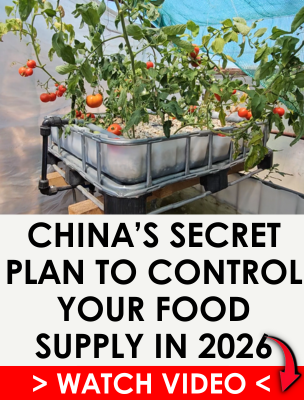
Drip systems use a submersible pump placed in a basin on the bottom that pulls the water up to an irrigation tube above the plants. The water drips down into the pan(s) and trickles back down into the catch basin and is then recirculated. It’s efficient and simple to use.

NOTE: Very few commercial hydroponics systems (or DIY ones for that matter) operate without electricity. In the case of an EMP or a complete grid failure, your system will require manual watering, so choose carefully if those situations are a concern for you. You’ll want to choose a system such as a vertical gardening tower that makes it easy to water without an operational pump.

What Can You Grow Hydroponically

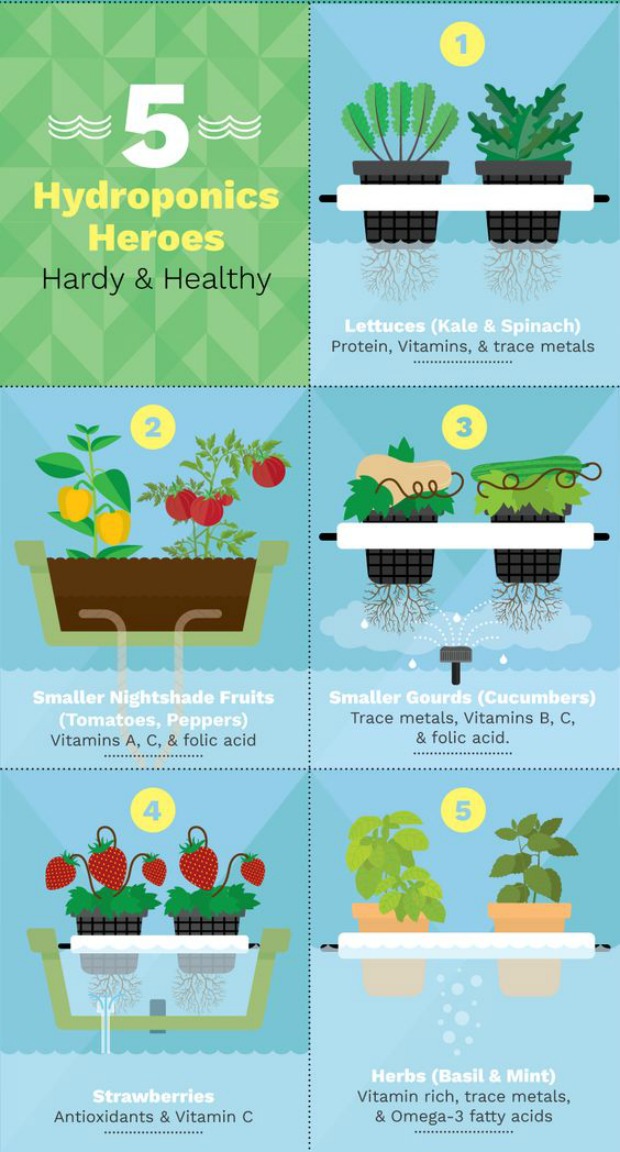
Well, just about anything, in theory. After all, you’re providing everything any living plant needs to thrive – water, nutrients, light.

However, there are some plants that are more challenging than others. For instance, root vegetables are a challenge and require a system that’s deep enough to grow them. You may want to get a bit of experience before you jump off that particular log.

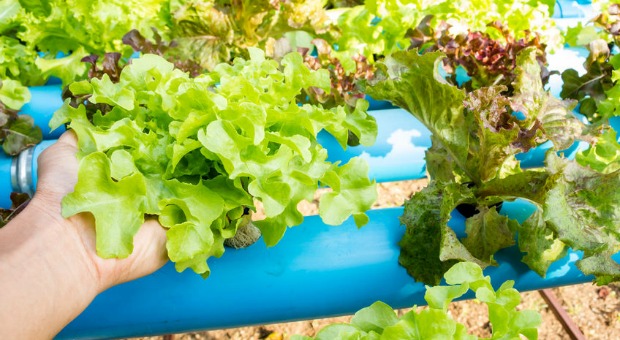
Vining plants and light-weight fruits grow well hydroponically, too, and did well in the tower we tested. You can even start fruit trees, then plant them into soil when they’re big enough.

Now, for the system that we tested, vining plants, herbs and green leafy vegetables worked, but not root vegetables.
Transplanting Seedlings

If you’re starting your seeds outside of your system and transplanting it as a seedling, it’s a simple process. Germinate your seeds. You can do this by placing them in a grow cube or in a paper towel or baggy.

If you use the grow cube, just keep it damp with water or your hydroponic solution until your seedling pops through – anywhere from two to four weeks.

If you’re germinating the seeds before putting them in a growing medium, put them in a damp paper towel on a plate and keep the towel damp. Your seed will germinate in just a few days.

Now that you have your seedlings, you’re ready to transplant them to your system so that they can grow into delicious plants.

This process is going to be determined by the system that you’re using but will consist of placing the seedling so the roots are in the water/solution and the plant top is not.

A Note about Growing Mediums

You can use many different mediums in your hydroponics setup including gravel, sand, coconut shells (they don’t break down easily) or just about anything else that is food-safe and won’t decompose.

If you choose to use gravel, be sure to choose stones that won’t leech minerals into the water, because then you’re affecting the nutrients available to your plants.

The entire purpose of the medium is to support the roots in a way that water can flow freely around them, so don’t use mediums such as mulch that are going to break down to, well, soil.

Growing Your Plants

Now, your plants are in your hydroponics system, so what next?

Make sure that they stay hydrated and are getting the nutrients that they need! They should be watered thoroughly several times daily to prevent the roots from drying out, and the automatic drip system is great for this.

Once your plants begin to grow in earnest, you’ll need to provide support for vining plants. Trellises are great for this.

Keep your plants from dragging the ground in order to avoid rot and exposure to disease. Prune them properly and watch them grow!

Discover how our forefathers handled their survival food.

Click the banner below and uncover their secrets!

This article has been written by Theresa Crouse for Survivopedia. 

ShareTweet
Theresa Crouse

Theresa Crouse

Theresa Crouse is a full-time writer currently living in central Florida. She was born and raised in the hills of West Virginia, where she learned to farm, hunt, fish, and live off the land from an early age. She prefers to live off the grid as much as possible and does her best to follow the “leave nothing behind but footprints” philosophy. For fun, she enjoys shooting, kayaking, tinkering on her car and motorcycle, and just about anything else that involves water, going fast, or the outdoors.

Next Post
What You Need To Know For Hunting During Winter

What You Need To Know For Hunting During Winter

Comments 1

  1. Pingback: Why Rich People Turn to Preparedness | Survivopedia

Leave a Reply Cancel reply

Your email address will not be published. Required fields are marked *

  • Trending
  • Comments
  • Latest
How To Make Pemmican, The Ultimate Survival Food (Video)

How To Make Pemmican, The Ultimate Survival Food (Video)

January 12, 2026

How the Amish Would Respond to Grid Down

November 17, 2025
Top 10 Vehicles For Your EMP Survival

Top 10 Vehicles For Your EMP Survival

May 19, 2026
Chloroform

How To Make Chloroform For Survival

October 13, 2025
The Ugly Part of Water Purification: Top 5 Mistakes You Make

The Ugly Part of Water Purification: Top 5 Mistakes You Make

September 29, 2025
How to Preserve Eggs Like the Pioneers Did

How to Preserve Eggs Like the Pioneers Did

October 14, 2025
Top 6 Survival Rifles And Why You Need One

Top 6 Survival Rifles And Why You Need One

429
Top 5 Bug Out Locations In The US

Top 5 Bug Out Locations In The US

257
Top 10 Vehicles For Your EMP Survival

Top 10 Vehicles For Your EMP Survival

162
10 Items You Need To Hoard

10 Items You Need To Hoard

148
How To Store Flour, Sugar And Rice For Survival

How To Store Flour, Sugar And Rice For Survival

141
alaska landscape

A Prepper’s Story: Headed To Alaska To Survive Off-grid

118

Holding A Family Council – Bringing Everyone Into The Preparedness Conversation

October 16, 2026

Flock Cameras Aren’t Speed Cameras: What They Record, Keep, And Share

October 14, 2026

10 Wild Mushrooms Worth Knowing: Food, Health, And Traditional Uses

October 9, 2026

Farm Bankruptcies Are An Early Warning

October 9, 2026

The First Frost Kit: What Goes In The Truck By Mid-October

October 2, 2026

How to Build a Basement or Closet Safe Room Using What You Already Have

October 2, 2026

No Result
View All Result


  • Privacy Policy
  • Terms&Conditions
  • Contact
  • Newsletter

© 2026 SURVIVOPEDIA

No Result
View All Result
  • HOME
  • GENERAL PREP
    • SHTF SCENARIOS
      • Survival Skills
      • Disaster Scenarios
      • Natural Disasters
      • WATER
      • FINANCIAL
      • WAR & CONFLICTS
      • emp
    • EQUIPMENT
      • Bug-Out-Vehicle
      • Firearms
      • COMMUNICATION
    • ENERGY
      • ENERGY
      • Energy Sources
      • Electric Equipments
      • Consumption Control
  • WEAPONS
    • Firearms
    • Cold Weapons
    • Defense
    • Privacy & Data Protection
    • Regulations
  • FOOD
    • Food Storage
    • Cooking
    • Farm Animals
    • Hunting
    • Plants & Gardening
  • Store
  • Newsletter

© 2026 SURVIVOPEDIA