








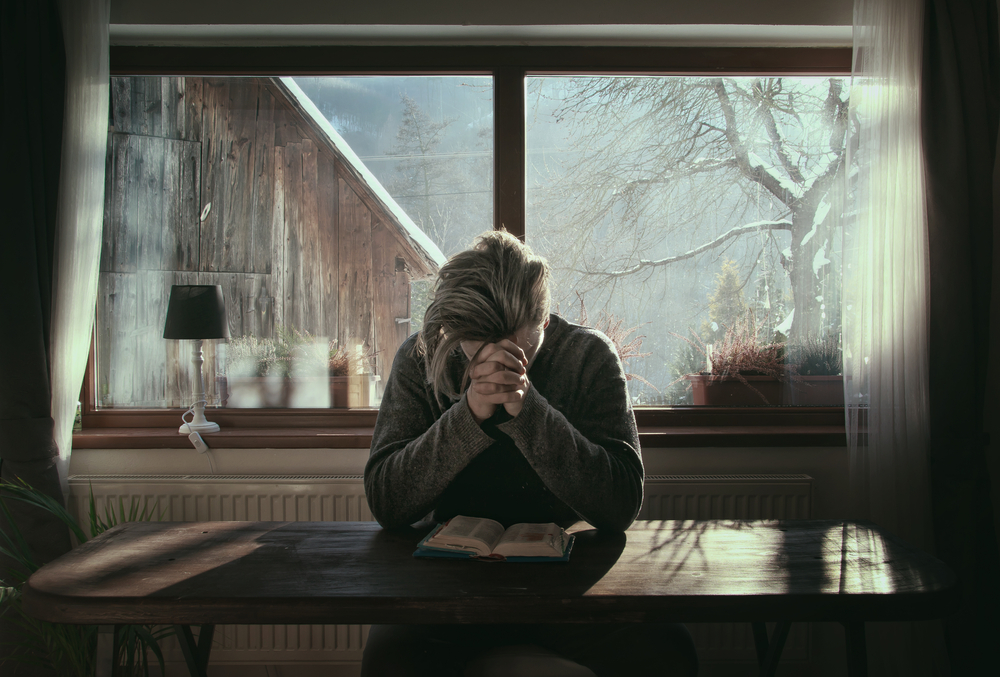
In a busy prepper life, it is easy to spend every spare minute stocking shelves, tuning gear, or learning new skills. That work matters. But there is another tool that keeps you steady when trouble hits. A short daily pause, whether through prayer or quiet reflection, can do more for your judgment and courage than another piece of steel in the safe.
A few calm minutes each day clear the mind, lower stress, and reset your priorities. Beside food and tools, prepping is also about mental and spiritual resilience. The man or woman who can stay grounded in a storm makes better choices, leads better, and keeps the family calm.
Clarity and Calm for the Mind
Panic ruins plans. In a crisis, fear narrows your vision, speeds up your pulse, and pushes you toward rash decisions. A daily habit of pausing trains your mind to step back before you act.
Simple practices work. Sit still. Breathe slowly. Pray, or quietly reflect on the day. Even one minute of deep, deliberate breathing can slow your heart and clear your thoughts. Do it often and your body learns a pattern. Stress rises. You pause. You breathe. Your mind clears instead of spinning out.
Think of this as mental drills, like fire drills. You are teaching your brain a new first step. Not flinch. Not rush. Pause first. Then move. When you stand in front of a real problem, that habit can give you just enough space to notice the exit, see the better route, or recall the plan you already made.
A calm prepper notices details. You hear the odd noise outside. You see the weak point in your security. You remember to grab the med kit as you head out the door. Clarity under pressure starts with small, faithful pauses in normal times.
Prayer and Quiet Time: Two Paths to the Same Center
Some preppers lean on prayer. Some prefer silence, journaling, or simple mindfulness. The path can differ. The goal stays the same. You want a steady mind and a settled heart.
Prayer gives many people a firm center. Speaking with God, reading Scripture, or repeating a simple verse each morning sets the tone for the day. You hand over fear. You ask for wisdom. You remember that you are not carrying the burden of your family alone.
Others find the same quiet strength in stillness. Ten slow breaths on the porch at sunrise. A page in a notebook at night. A moment of silence in the car before walking into a hard day. These actions clear mental clutter and remind you what matters most.
You can treat this time the same way you treat daily chores. Feed the animals. Check the pantry. Say a prayer. Sit five minutes in quiet. That rhythm keeps your head and your home in order.
What counts is consistency. A short, honest pause every day builds more strength than a long session once a month.
Reflection that Builds Resilience
Prepping from fear wears you out. Prepping from purpose keeps you going.
Daily reflection shifts your mindset away from doom and toward responsibility. Instead of “everything will collapse,” your outlook becomes “my actions reduce risk for my family.” That is a healthier and stronger place to stand.
Use your quiet time to review the day with clear eyes:
- What went well in your preparations today
- What small step you can take tomorrow
- What you are grateful for, even in uncertain times
This simple review keeps your thinking sharp. You see progress instead of only gaps. You adjust plans without drama. You focus on real risks instead of chasing every frightening headline.
Elite operators understand this principle. They train themselves to stay present and to control their breathing under fire. You can do the same at home. A mind trained to pause and reflect can move through chaos while others freeze.
Guarding Against Burnout and Fatigue
Prepping is a long haul. Lists never end. News cycles never stop. Without rest, even dedicated people burn out.
A daily pause works like a pressure valve. It lets you release fear and fatigue before they build into anger or despair. When the grid flickers, a storm rolls in, or bad news hits, those few moments of calm can keep your response steady instead of frantic.
Use your quiet time to pace yourself:
- Admit when you feel tired or overloaded
- Pick one simple meaningful task for the day instead of twenty scattered ones
- Remind yourself that steady progress beats frantic bursts
You do not need to overhaul your whole life in a weekend. One shelf organized. One skill practiced. One gallon stored. One earnest prayer. That is enough for a day. Small steps compound. Acknowledging those wins during your pause keeps you from quitting when the world feels heavy.
Purpose, Family, and Inner Strength
Preparation has a “why” behind it. Your pause is the space where you reconnect with that reason.
Maybe your purpose is to keep your family safe and warm. Maybe it is to live free, not fully dependent on fragile systems. Maybe it is to serve your neighbors when others panic. Use your daily quiet moment to bring that purpose to mind. When chores feel tedious, purpose turns them into service.
This time can also strengthen family bonds. You might:
- Pray with your spouse before bed
- Share one thing you are thankful for at supper
- Sit with a child on the porch and talk about the day
These simple shared pauses build trust and unity. Families that talk, pray, and reflect together carry more strength into any crisis. The gear may sit on your shelves, but it is the people in your home who will use it. Investing in their calm and courage matters as much as buying another tool.
Putting the Pause into Practice
Here is a simple way to start:
Morning (2–5 minutes)
- Sit up before you grab your phone
- Take ten slow breaths
- Say a short prayer or set one clear intention for the day
Midday (1 minute)
- When stress spikes, stop where you are
- Inhale for a count of four, hold for four, exhale for four, hold for four
- Then decide your next move
Evening (5 minutes)
- Turn off screens
- Ask yourself: What did I do today to move my preparations forward
- Note one blessing and one lesson
- Close with a brief prayer or quiet gratitude
Tie these pauses to things you already do: waking up, eating, going to bed. That makes the habit stick.
The Quiet Tool in Your Kit
Food, water, tools, and skills all matter. But your most important survival tool sits between your ears. A frantic mind wastes supplies. A calm mind multiplies them.
A daily pause, through prayer or simple quiet, trains that mind. You gain clarity. You lower fear. You remember your purpose. You draw closer to the people you protect.
Add this tool to your prepper life. Put “pause” on your list right beside “store” and “train.” When trouble finally comes, you will have more than full shelves. You will have a clear head, a steady heart, and a family that follows your lead with confidence.
Others Are Watching Now:












































Pride can keep us from learning, yet we’rehere to learn and serve. We choose our path and resist changing it. We prepare for the future, yet we don’t know the future. Our Creator knows the future and gives us promptings to best prepare. But, sometimes we resist changing our preparedness path. Sometimes things go horribly wrong that alter our intended path. We can pray that it not be that way, but consider a necessary change that is resisted might be a blessing in disguise. Our Creator loves us and intends for us to learn so much that circumstances that alter our path might be harsh lessons from our Creator for us to be better prepared for the unknown future that only He knows. I’ve learned to be grateful for His blessings in disguise and have faith that makes me better prepared. I have seen His miracles in my life and my prayers are gratitude and that I might be better in fitting to serve in His plans for me in the unknown future. We are individual and Created by our Creator and individually fit into His plans. I believe He will never ask us to do what is beyond our abilities, so I accept my gifts from our Creator of extraordinary abilities and health and fitness as telling me these gifts will be needed for my roles in His plans for me, so I develop them further as my duty to Him and to love thy neighbor. The blessings of good health is one example. Where others might use that as an opportunity to not do their parts of healthy living because their health allows them to get away with even abusing their good health, I cherish my gifts and for health, I live all aspects of healthy living. Though we can’t know His plans, we can have faith that they are good and I pray for a big role in serving within His plans. I also pray that I learn the lessons He intends for me. My most recent lessons have been insights into the times we are entering being “as in the days of Noah.”
FANTASTIC INFO.