

















Every generation has faced the same cold season challenge: stay warm, stay fed, and stay alive until spring. Long before central heating or grocery stores, Native tribes, frontier settlers, and Amish farmers each built systems for surviving deep winter.

They worked with nature, not against it. Their methods were low-tech, reliable, and efficient, the same qualities modern preppers depend on. By studying how these cultures used insulation, fire, food preservation, and community, we can learn what still works best today.
Native American Winter Tactics
Shelter and Heat
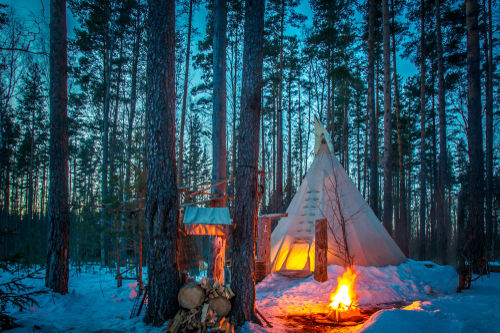
Tribes built homes suited to their regions. Plains families lived in buffalo-hide tipis that stayed warm with thick hides and a central fire pit that vented smoke. Woodland tribes used bark-covered longhouses or wigwams that trapped heat and blocked wind. Heated stones near the floor provided gentle warmth through the night. Camps were set up in sheltered valleys or tree lines for wind protection.
Clothing and Protection
Clothing came from nature. Layers of deerskin, fur, and hide held warmth and repelled wind when treated with oil or animal fat. Some people rubbed grease on exposed skin to prevent frostbite. Fur-lined boots, mittens, and hoods finished the system.
Food and Planning
Preparation started months ahead. Hunters dried and smoked meat, while foragers stored corn, beans, squash, and wild rice in lined pits or baskets. Pemmican, made from dried meat mixed with fat and berries, supplied dense calories. Elders tracked seasonal signs to plan hunts and harvests.
Modern Lesson: Natural insulation still works. Layered clothing, wool blankets, and heated stones follow the same logic. Drying, smoking, and fermenting food remain reliable ways to store nutrition without power.
Pioneer Settler Tactics
Cabins and Heat
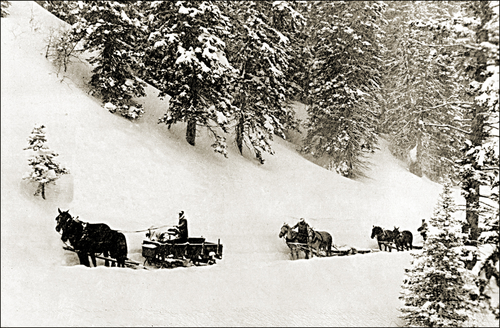
Settlers built log cabins sealed with mud or moss to block drafts. Fireplaces and wood stoves burned constantly, fed by cords of firewood stacked all summer.
Clothing
Wool and flannel kept them alive. Pioneers wore long underwear, heavy shirts, and thick coats. Buckskin, mittens, and wool blankets added protection from snow and wind.
Food Storage
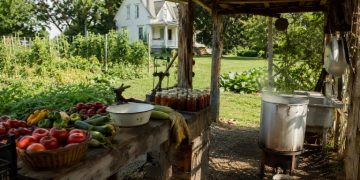
Root cellars carved into hillsides kept food cool but above freezing. Potatoes, carrots, onions, and turnips stayed fresh for months. Fruits and vegetables were dried near the hearth or preserved in vinegar brine. Once canning jars arrived, families filled them with pickles, jams, and meats for winter. In deep cold, meat could be salted, smoked, or simply left outdoors to freeze.
Modern Lesson: A basement or buried freezer can serve as a root cellar. Canning, pickling, and dehydrating remain essential skills. Stock firewood early and keep a working stove for both cooking and heat.
Amish Community Tactics
Heat and Light
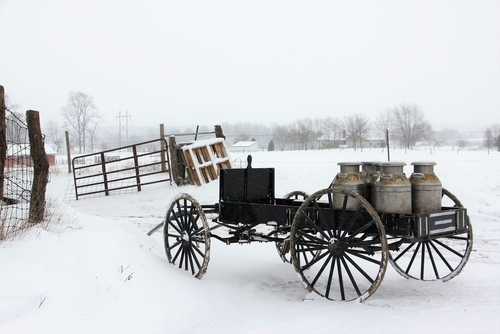
The Amish still live close to the land. Wood cookstoves heat the kitchen, warm water, and bake bread all at once. Kerosene lamps and candles light long evenings. Barns full of livestock and hay naturally buffer cold winds.
Clothing and Bedding
Amish clothing is handmade and layered. Heavy wool coats, hats, and capes trap warmth. Quilts with dense stitching and thick batting keep families comfortable through the coldest nights.
Food and Storage
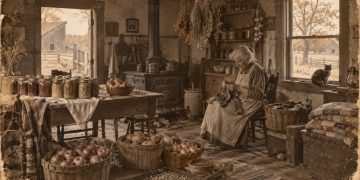
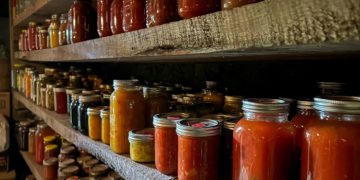
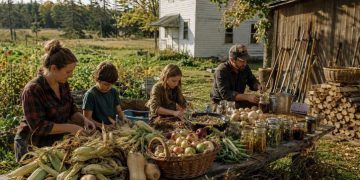
Every Amish home has shelves lined with mason jars. Fruits, vegetables, jams, pickles, and meats fill pantries each fall. Canning and fermenting are community skills that guarantee full tables when fields are frozen.
Modern Lesson: A wood stove can heat and cook efficiently. Heavy quilts and layered bedding reduce fuel use. Canning and fermenting garden produce give lasting food security when the grid goes down.

Shared Survival Habits
Across all three cultures, several habits repeat:
- Layered insulation: Wool, fur, or heavy fabric trap air and hold heat. Today, thermal layers and wool blankets serve the same role.
- Wood heat and cooking: Each culture used wood fires for warmth and food. Modern preppers should maintain a safe wood stove, seasoned firewood, and a backup way to cook.
- Food preservation: Drying, smoking, pickling, and canning kept families fed through winter. These techniques still work anywhere.
- Smart shelter: All three groups used thick walls, natural windbreaks, and sunlight to their advantage. Seal cracks, hang curtains, and store supplies where temperatures stay stable.
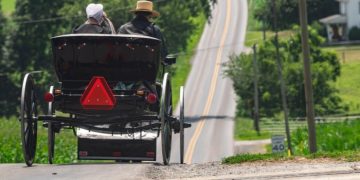
- Community: Native tribes, wagon families, and Amish neighbors shared labor and protection. A local network can do the same when systems fail.
What Works Best Today
Modern materials make old wisdom easier. A good wood stove beats an open fire for efficiency. Pressure canners replace smokehouses. Wool and synthetic layers outperform raw hides. Yet the same mindset matters most: prepare early, conserve energy, work together, and respect the land.
To prepare for winter now:
- Build a dependable heat source.
- Layer clothing and bedding.
- Preserve food before frost.
- Insulate your shelter with natural materials.
- Stay connected with your community.

Final Word
The people before us faced brutal winters without electricity or supermarkets. They survived because they prepared early and worked together. The same approach still wins today.
Stock your pantry, cut your firewood, and seal your home before the first freeze. Proven skills outlast new technology, and old wisdom still keeps the cold at bay.
Others Are Watching Now:




















































My parents and Grandma all survived hardships. The Spanish Flu epidemic, WWI, The Great Depression, and WWII, were some of the main events in their lives. Almost nothing available in the Depression and little available during War Rationing. They foraged, gardened, sun dried, waterbath canned, and fermented to have food year around. They never forgot those lessons. I was four years old when Mom started taking me along foraging for a simple supper and teas we could make. I learned to use the pressure canner along with Mom. She bought it in 1950. I was three that year. I helped in simple ways to prepare fruits and vegetables for canning and drying. Drying was putting prepared fruits and some vegetables on window screens out in the bright sun and covering them at night with screens or clean bedsheets. One place even in daytime we covered the fruit with screens to keep wasps from devouring all the fruit. Apple rings were strung on clothesline rope and hung to dry. Earlier in the year we dried “Dutchmen’s breeches” ( green beans split longways) on those ropes.
Today I still garden to raise most of the family vegetables, I planted a young orchard here that just started blooming a bit last year. We are aiming at having an abundance of fresh fruit to preserve and perhaps sell or trade. Our hillside land is far too rocky to grow root crops. I plan to buy two dump tuck loads of dirt to make two areas for growing root crops. We have a net set of shelves I hang in the shade to dry herbs, a dehydrator and now a freeze dryer, to dry fruit, veggies, and more.
My planted areas include wild edibles and medicinals that simply appear like untended weed patches on the scattered hillsides.
Chickens provide meat and eggs. I grow cover crops to enrich poor soil and then let the chickens eat their fill for days or weeks in those areas. They eat and fertilize all at the same time. Sorghum provides syrup and seeds for replanting and for adding to the chicken feed. I hope to buy a small press for sorghum and corn stalks. They both have a high sugar content. I have sugar beet seeds to experiment with. Currently I boil the chopped stalks a while then cook down the sweet water till it’s syrup. The remainder of the stalks help fill raised beds or go to the compost pile. We and the chickens share an alfalfa patch. I make tea and sometimes cooked greens from the growing tips. Chickens will eat all the leaves. I cut from it often to throw in the chicken yard. Some is also dried for winter food. The stems are gathered up and with some leaves add nitrogen to the compost.
A 75 gallon water trough is repurposed now for compost tea. The household scraps go there. And I keep it 3/4 full of water. I added a hose port down low with a faucet. I fill containers with holes drilled in the lids. I lay those in along plants where I want to doing some fertilizing. I carry them to the garden in a wagon. Also the slow drip is nice in hot weather.
I sew as well and repair older sewing machines. Often for winter a sew colorful quilted jackets that are quite popular and no two are alike. They are warm, washable, and popular at farmers markets. They are made from mostly a quilters scraps. I buy those from area quilters for $5 a trash bag full and buy wholesale heavy weight thread. Winter days are great for assembling the jackets while bread bakes.
If makes an enjoyable retirement. I also make bags for walkers and wheelchairs that I give away as I get them made.