









Survivopedia
  • HOME
  • GENERAL PREP
    • All
    • Disaster Scenarios
    • EMP
    • Natural Disasters
    • Survival News
    • Survival Skills

    How to Make Fire Without Matches: The Bow Drill

    How to Read a Storm With No Forecast App

    Food Factories Are Burning… Coincidence or Warning?

    Making Pine Pitch Glue for Field Repairs

    Top 10 Survival Uses for Pine Resin

    Survival for Kids: How to Teach Your Children Without Fear-Mongering

    How the Amish Would Respond to Grid Down

    How Each Culture Prepared for Winter: What Works Best Today

    Supply Chains Are the New Front Lines: How to Be Self-Sufficient in 2025

    • SHTF SCENARIOS
      • Survival Skills
      • Disaster Scenarios
      • Natural Disasters
      • WATER
      • FINANCIAL
      • WAR & CONFLICTS
      • emp
    • EQUIPMENT
      • Bug-Out-Vehicle
      • Firearms
      • COMMUNICATION
    • ENERGY
      • ENERGY
      • Energy Sources
      • Electric Equipments
      • Consumption Control
  • WEAPONS
    • All
    • Cold Weapons
    • Firearms
    • Regulations
    Field Reloading

    Field Reloading

    Fully Automatic Firearms? No Thanks!

    Are Alternative Weapons Practical in a Post-Disaster World?

    How To Travel With A Firearm

    The Ultimate Survival Knife: How to Pick the Right One

    A Sharp Edge: Choosing the Best Survival Knife for Prepping and Self-Defense

    Is There a Place for “Fast Draw” in Survival?

    Indispensable Gear for your EDC Core Layer

    Best 17 silent weapons for when SHTF

    Best 17 silent weapons for when SHTF

    • Firearms
    • Cold Weapons
    • Defense
    • Privacy & Data Protection
    • Regulations
  • FOOD
    • All
    • Cooking
    • Farm Animals
    • Farming
    • Food Storage
    • Hunting
    • Plants & Gardening

    Clay Pot Refrigeration: Old Tech That Still Cools Food

    From Farm to Faith: What Homesteading Teaches Us About God and Grit

    How I Finally Became Food Independent

    How I Finally Became Food Independent

    Tracking Like a Native Scout: Sign, Age & Counter-tracking

    Fermented Foods for Gut Health During Long-Term Collapse

    Amish Root Beer and Old-World Fermentation

    Amish Root Beer and Old-World Fermentation

    Food Prices Are Still Climbing: Are You Two Harvests Behind?

    Food Prices Are Still Climbing: Are You Two Harvests Behind?

    Farming, Foraging & Hunting: Comparing the Food Strategies of Each

    Farming, Foraging & Hunting: Comparing the Food Strategies of Each

    How to Preserve Eggs Like the Pioneers Did

    How to Preserve Eggs Like the Pioneers Did

    • Food Storage
    • Cooking
    • Farm Animals
    • Hunting
    • Plants & Gardening
  • Store
  • Newsletter
No Result
View All Result
  • HOME
  • GENERAL PREP
    • All
    • Disaster Scenarios
    • EMP
    • Natural Disasters
    • Survival News
    • Survival Skills

    How to Make Fire Without Matches: The Bow Drill

    How to Read a Storm With No Forecast App

    Food Factories Are Burning… Coincidence or Warning?

    Making Pine Pitch Glue for Field Repairs

    Top 10 Survival Uses for Pine Resin

    Survival for Kids: How to Teach Your Children Without Fear-Mongering

    How the Amish Would Respond to Grid Down

    How Each Culture Prepared for Winter: What Works Best Today

    Supply Chains Are the New Front Lines: How to Be Self-Sufficient in 2025

    • SHTF SCENARIOS
      • Survival Skills
      • Disaster Scenarios
      • Natural Disasters
      • WATER
      • FINANCIAL
      • WAR & CONFLICTS
      • emp
    • EQUIPMENT
      • Bug-Out-Vehicle
      • Firearms
      • COMMUNICATION
    • ENERGY
      • ENERGY
      • Energy Sources
      • Electric Equipments
      • Consumption Control
  • WEAPONS
    • All
    • Cold Weapons
    • Firearms
    • Regulations
    Field Reloading

    Field Reloading

    Fully Automatic Firearms? No Thanks!

    Are Alternative Weapons Practical in a Post-Disaster World?

    How To Travel With A Firearm

    The Ultimate Survival Knife: How to Pick the Right One

    A Sharp Edge: Choosing the Best Survival Knife for Prepping and Self-Defense

    Is There a Place for “Fast Draw” in Survival?

    Indispensable Gear for your EDC Core Layer

    Best 17 silent weapons for when SHTF

    Best 17 silent weapons for when SHTF

    • Firearms
    • Cold Weapons
    • Defense
    • Privacy & Data Protection
    • Regulations
  • FOOD
    • All
    • Cooking
    • Farm Animals
    • Farming
    • Food Storage
    • Hunting
    • Plants & Gardening

    Clay Pot Refrigeration: Old Tech That Still Cools Food

    From Farm to Faith: What Homesteading Teaches Us About God and Grit

    How I Finally Became Food Independent

    How I Finally Became Food Independent

    Tracking Like a Native Scout: Sign, Age & Counter-tracking

    Fermented Foods for Gut Health During Long-Term Collapse

    Amish Root Beer and Old-World Fermentation

    Amish Root Beer and Old-World Fermentation

    Food Prices Are Still Climbing: Are You Two Harvests Behind?

    Food Prices Are Still Climbing: Are You Two Harvests Behind?

    Farming, Foraging & Hunting: Comparing the Food Strategies of Each

    Farming, Foraging & Hunting: Comparing the Food Strategies of Each

    How to Preserve Eggs Like the Pioneers Did

    How to Preserve Eggs Like the Pioneers Did

    • Food Storage
    • Cooking
    • Farm Animals
    • Hunting
    • Plants & Gardening
  • Store
  • Newsletter
No Result
View All Result
Survivopedia
No Result
View All Result
Home WATER

When the Grid Fails, Your Water Shouldn’t: Why I Trust the Lifeline Flow 2.25

When the Grid Fails, Your Water Shouldn’t: Why I Trust the Lifeline Flow 2.25

I’ve tested a handful of water filters over the past few years. Pitchers, pump filters, inline hose setups, even improvised gravity rigs using food-grade buckets. Some were decent. Some were a waste of money.

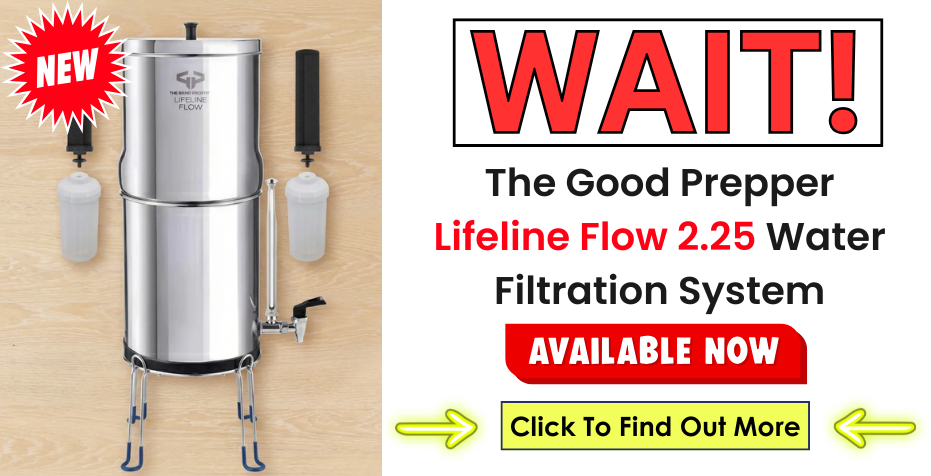
The Good Prepper Lifeline Flow 2.25 is the first one I’ve owned that feels like it was built with long-term resilience in mind instead of convenience marketing.

I bought it because water is the one thing you cannot afford to gamble on. Food shortages are uncomfortable. Power outages are frustrating. Unsafe water becomes a crisis fast.

After running it daily in my kitchen and deliberately pushing it through a few less-than-ideal water sources, here’s my honest take.
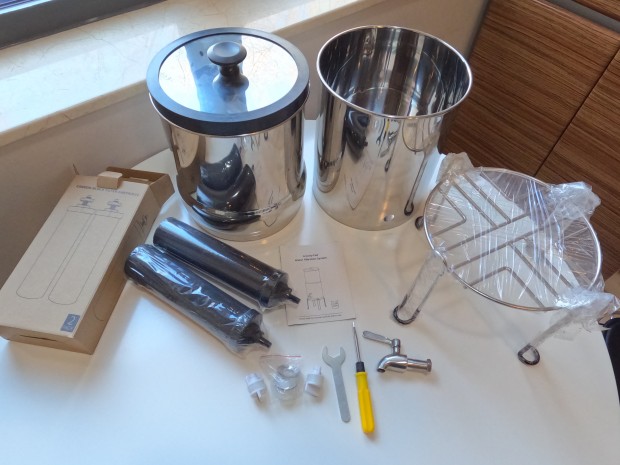
First Impressions: Built Like It Means It

The first thing you notice is the construction. The chamber is seamless 304 stainless steel. No flimsy plastic housing. No flex. No questionable seams.

At 2.25 gallons, it’s a good size for a family without dominating the counter. It weighs about 11 pounds dry, which makes it portable enough to move around but heavy enough to feel substantial.

Setup took minutes. No plumbing. No power. No tools beyond basic assembly. If you can follow instructions and tighten a nut, you can get it running.

Gravity does the work. That simplicity matters more than most people realize.
Filtration Stack: What It Actually Does

The system uses a four-element stack:

  • Two activated carbon filters
  • Two fluoride filters

The carbon handles chlorine, VOCs, pesticides, and general taste and odor issues. The fluoride filters target fluoride, lead, arsenic, and other heavy metals.

On paper, it covers what most city filters ignore, especially PFAS and microplastics.

In practice, here’s what I noticed:

  • Chlorine smell completely gone
  • No metallic aftertaste
  • Coffee tastes cleaner
  • Kids stopped complaining about “weird water”

That last one matters. If your family won’t drink it, your filter is useless.

Performance in Real-World Conditions

I tested it with:

  • Regular municipal tap water
  • Melted snow (pre-screened and boiled first)

  • Collected rainwater that I pre-screened to remove debris

Flow rate averaged about one gallon per hour per filter, which aligns with the specs. It is not instant, but gravity systems are not meant to be. You fill it and let it work.

What impressed me most was consistency. No clogging issues so far. No strange tastes. No drop-off in flow after weeks of use.

The visible water-level spigot is a small feature, but it is surprisingly useful. I do not have to lift the lid to check capacity. During a power outage or busy evening, that is one less thing to think about.
Filter Life and Cost Reality

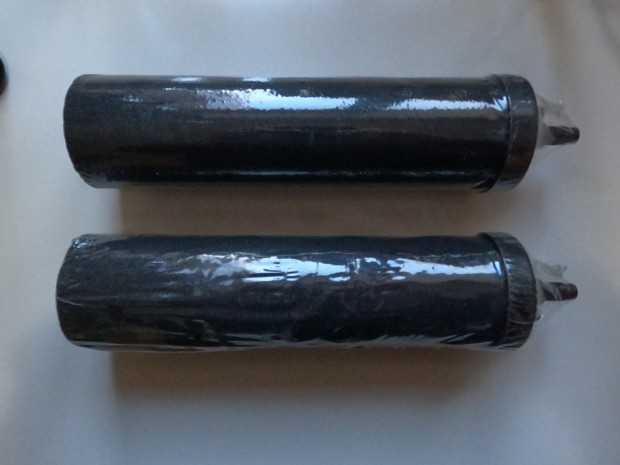
The carbon filters are rated for around 6,000 gallons per pair. The fluoride filters for about 1,000 gallons.

To put that into perspective, 6,000 gallons equals roughly 24,000 standard water bottles.

If you are spending money on bottled water, this system pays for itself quickly. Even if you are not, the long lifespan means fewer supply runs and less waste.

Over three years, the daily cost works out to just a few cents. That is hard to argue with.

Off-Grid Capability

This is where the Lifeline Flow makes sense for preparedness.

  • No power required.
  • No plumbing required.
  • No dependency on infrastructure.

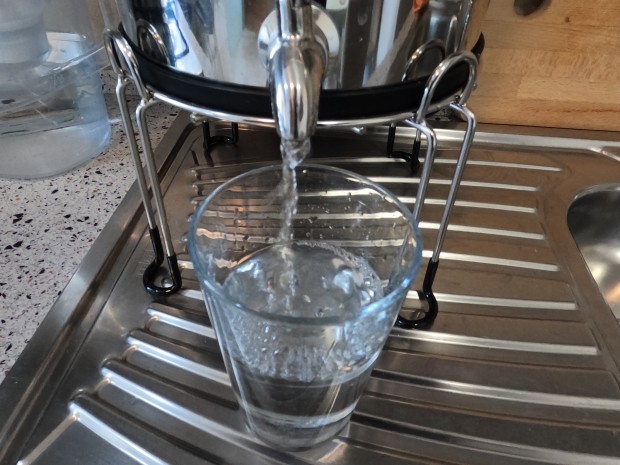
If the grid fails, it keeps running. If there is a boil notice, you can still filter. If a storm contaminates surface water, you have an immediate option.

It is not a magic device. You still need basic water discipline and pre-filtration for heavy sediment. But as a gravity-fed system for household resilience, it checks the right boxes.
Where I See It Fitting

For me, this filter serves three roles:

  1. Daily use to reduce chemical exposure and improve taste
  2. Backup during outages or boil alerts
  3. Portable option for cabin, RV, or extended outdoor stays

It nests for storage, travels reasonably well, and does not require babysitting.

The biggest benefit is psychological. When you know your water is covered, you remove a major vulnerability from your preparedness plan.
Final Thoughts

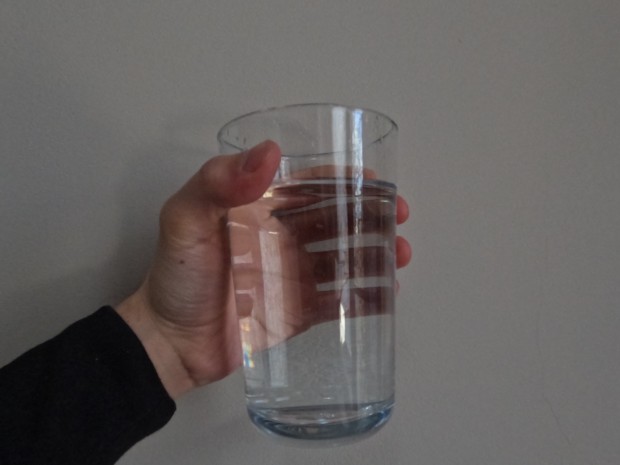
After running the Good Prepper Lifeline Flow 2.25 in my own home, I can say it delivers on what matters most: clean taste, solid construction, and grid-independent reliability.

It is not flashy. It does not rely on apps or electronics. It just sits there and works.

If you are serious about self-reliance, water filtration should be one of your first upgrades. This system has earned its spot on my counter and in my long-term preparedness setup.

>>This is the website where I purchased The Good Prepper Lifeline Flow 2.25 Water Filtration System.<<

Others Are Watching Now:

ShareTweet
Darren Kelburn

Darren Kelburn

Darren Kelburn is a hands-on experimenter and backyard problem-solver who writes about practical self-reliance. When he’s not testing small-scale food or power systems, he’s usually fixing something around the house or hiking local trails with his family.

Leave a Reply Cancel reply

Your email address will not be published. Required fields are marked *

  • Trending
  • Comments
  • Latest

How the Amish Would Respond to Grid Down

November 17, 2025
How To Make Pemmican, The Ultimate Survival Food (Video)

How To Make Pemmican, The Ultimate Survival Food (Video)

January 12, 2026
Chloroform

How To Make Chloroform For Survival

October 13, 2025
How to Preserve Eggs Like the Pioneers Did

How to Preserve Eggs Like the Pioneers Did

October 14, 2025
Why Everyone’s Talking About Blackouts (And You Should Be, Too)

Why Everyone’s Talking About Blackouts (And You Should Be, Too)

October 14, 2025
The Ugly Part of Water Purification: Top 5 Mistakes You Make
The Ugly Part of Water Purification: Top 5 Mistakes You Make

September 29, 2025
Top 6 Survival Rifles And Why You Need One

Top 6 Survival Rifles And Why You Need One

429
Top 5 Bug Out Locations In The US

Top 5 Bug Out Locations In The US

257
Top 10 Vehicles For Your EMP Survival

Top 10 Vehicles For Your EMP Survival

162
10 Items You Need To Hoard

10 Items You Need To Hoard

148
How To Store Flour, Sugar And Rice For Survival

How To Store Flour, Sugar And Rice For Survival

141
alaska landscape

A Prepper’s Story: Headed To Alaska To Survive Off-grid

118
When the Grid Fails, Your Water Shouldn’t: Why I Trust the Lifeline Flow 2.25

When the Grid Fails, Your Water Shouldn’t: Why I Trust the Lifeline Flow 2.25

March 4, 2026

Medicine Without Pharma: Cultural First 72 Hours Medical Strategies

March 2, 2026

I Put Mushroom MD to the Test (Here’s My Honest Take)

February 27, 2026

How to Convert a Garden Shed into a Backup Survival Shelter

February 24, 2026
Survival MD: The Ultimate Guide to Medical Preparedness Book Review

Survival MD: The Ultimate Guide to Medical Preparedness Book Review

February 11, 2026

How to Make Fire Without Matches: The Bow Drill

February 2, 2026

No Result
View All Result


  • Privacy Policy
  • Terms&Conditions
  • Blogroll
  • Contact
  • Newsletter

© 2025 SURVIVOPEDIA

No Result
View All Result
  • HOME
  • GENERAL PREP
    • SHTF SCENARIOS
      • Survival Skills
      • Disaster Scenarios
      • Natural Disasters
      • WATER
      • FINANCIAL
      • WAR & CONFLICTS
      • emp
    • EQUIPMENT
      • Bug-Out-Vehicle
      • Firearms
      • COMMUNICATION
    • ENERGY
      • ENERGY
      • Energy Sources
      • Electric Equipments
      • Consumption Control
  • WEAPONS
    • Firearms
    • Cold Weapons
    • Defense
    • Privacy & Data Protection
    • Regulations
  • FOOD
    • Food Storage
    • Cooking
    • Farm Animals
    • Hunting
    • Plants & Gardening
  • Store
  • Newsletter

© 2025 SURVIVOPEDIA