























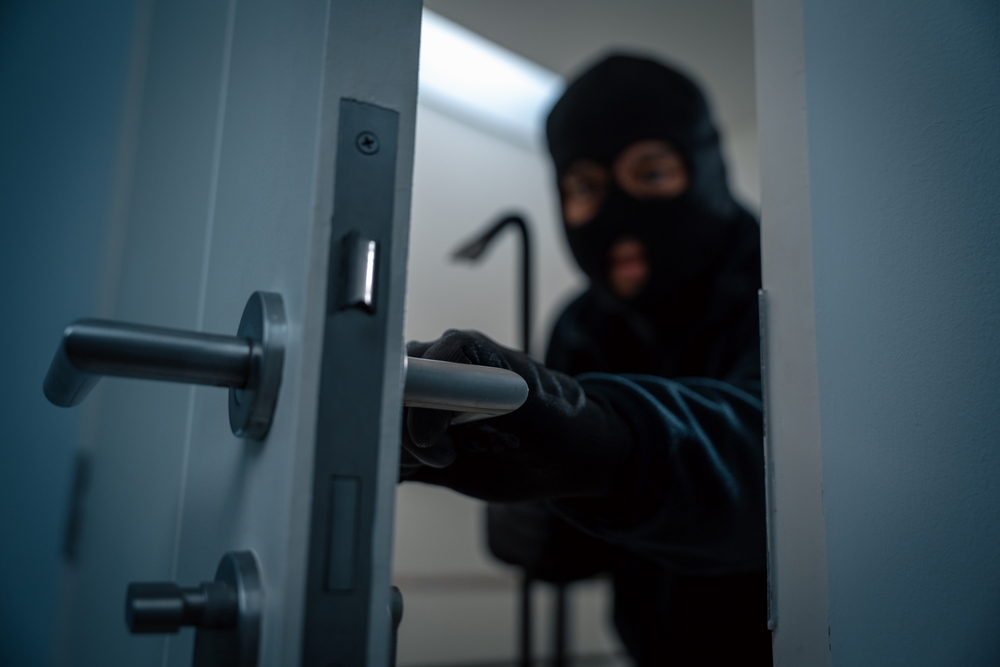
Suburbs once felt like a moat around the madness. That moat is draining. Violent crews, porch pirates, and organized burglary rings now test cul-de-sacs at 2 a.m., not just city blocks at midnight. Data sets conflict month to month, but the ground truth is simple. More assaults, more thefts, more home hits now occur beyond the city limits. Treat your house like a small stronghold. Treat your street like a team. Prepare before the knock at the door or the crunch of glass wakes you.

Why the threat moved to your ZIP code
Sprawl brings targets and traffic. New subdivisions pack more cars, more packages, and more blind corners. Economic stress pops up in pockets far from downtown. Remote work means predictable empty houses at regular hours. Delivery culture leaves goods on porches like bait. Smaller departments still work a spread-out beat with thin coverage. Crews study that map. They drive out, hit fast, and leave before a single patrol car clears the last call. That pattern will continue. Hope is not a plan.
Make your yard a filter, not a welcome mat
Criminals fear time, noise, light, teeth, and neighbors. Build layers that force all five.
Sightlines. Cut shrubs to below window sills. Limb trees up to eye level. Remove dense hedges near entries. Choose open fencing that you can see through. Wrought iron, welded wire, or chain link beats a solid wall. Add thorny plants under windows and along climb points. Bougainvillea, barberry, holly, or rugosa rose punish hands and knees.
Lighting. Put motion floods at every door, garage, and side run. Aim fixtures to wash the ground, not your neighbor’s bedroom. Use dusk-to-dawn path lights. Check bulbs monthly. Clean lenses. Light that snaps on creates panic in prowlers and wakes dogs and neighbors.
Alarms. Cover doors and first-floor windows with contacts. Add glass-break sensors where you keep tools, guns, or electronics. Put a driveway sensor on long approaches. Use a loud exterior siren and a door chime for daytime awareness. Post signs at the curb and gate. Visibility deters.
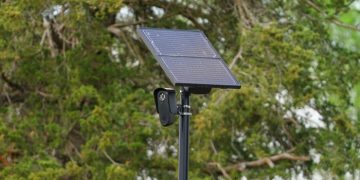
Cameras. Doorbell cam at the front. Fixed cams watching the drive, side yard, and back approach. Overlap fields of view. Angle across the property, not into the road. Keep lenses clean. Store clips in the cloud and locally. Post window decals. Crews shop for easy houses. Do not offer one.
Dogs. A big bark beats a big lock. Train a guardian breed or a good mixed dog to alert on approach and on fence contact. Walk at odd hours. A barking dog and a porch light stop more break-ins than many gadgets.
Hardware. Reinforce the door frame with a long strike plate and 3-inch screws. Use deep throw deadbolts. Add a floor brace at night. Install pin locks on sliders. Secure the garage side door like a front door. Lock gates. Install anti-lift pins on sheds. Bolt safes to slab or joists.
Build a street that watches itself
A single fortress on a blind street fails. A connected block turns thieves away.
-
Trade numbers with neighbors on both sides and across the street. Make a group text.
-
Share camera angles to cover each other’s driveways and mailbox clusters.
-
Rotate package pickup for anyone away.
-
Post “No Soliciting” and “Neighborhood Watch” signs at entrances.
-
Invite a patrol sergeant to a driveway meet-up. Ask for a free home security survey.
-
Record plate numbers for unfamiliar cars loitering. Time stamp them. Share quickly and calmly.
A friendly wave culture becomes an intelligence net. People who greet each other notice when something looks wrong.
Harden entries where most attacks start
Most home invasions start with a knock and a shove or a fast kick. Stop both.
-
Install a wide-angle peephole and a doorbell cam. Talk through the cam. Do not open to unknowns.
-
Use a solid core or metal door. Strength lives in the frame. Upgrade it.
-
Keep a door wedge within reach near each entry. Drop it before you call 911 if someone tries the handle.
-
Place a high-lumen flashlight and pepper spray at the main door and the master bedroom. Train every adult to draw, light, and spray.
-
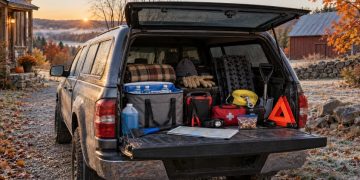
Stage a simple safe room. Solid door. Lock that works. Phone charger. Medical kit with tourniquet. Flashlight. Spare glasses.
Decide now that you will not open a door to strangers at night. A hard rule removes hesitation.
Daily habits that lower your profile
-
Close garage doors every time. Most thefts start there.
-
Keep vehicles locked in the drive. Nothing visible on seats. Hide garage remotes.
-
Bring in packages fast. Use lockers or ship to work when possible.
-
Do a light sweep before bed. Walk the dog with a light and eyes up.
-
Vary routines. Leave a car in the drive at odd hours. Use timers for interior lights and a radio.
-
Keep trash boring. Break down boxes for TVs, tools, and firearms packaging. Bag or burn discreetly.
Silent signals tell thieves who is easy. Do not send those signals.
A simple 30-60-90 day plan
Next 30 days
-
Trim landscaping for sightlines.
-
Install motion floods and a driveway sensor.
-
Upgrade front and back door hardware.
-
Buy two quality pepper sprays and two high-lumen flashlights. Train with both.
-
Swap contact info with nearest neighbors. Start the text thread.
Next 60 days
-
Add door and window contacts and a loud siren.
-
Mount cameras that cover approaches. Set alerts for people detection.
-
Plant thorn barriers under windows.
-
Build a safe-room kit and test your lock-in plan with the family.
Next 90 days
-
Fence weak sides or reinforce gates.
-
Add secondary power for key cameras and router.
-
Host a driveway watch meet-up. Walk the block and assign coverage angles.
-
Run a night drill. Simulate a knock and a kick. Time your move to the safe room and the 911 call.
Small steps compound into real security.
Personal safety on foot and in the car
-
Head up. Phone down. Walk like you belong.
-
Park under light, nose out, doors locked.
-
Before you exit, scan mirrors. Before you unlock a door at home, look both ways.
-
Carry pepper spray and a light on evening walks. Train to use both one-handed.
-
If a car creeps you, cut to light and people. Do not lead strangers to your house.
These habits cost nothing and pay every day.
Mindset that holds under pressure
Calm beats panic. Reps beat theory. Write a one-page plan. Who calls 911. Who gathers kids. Where you fall back. Practice twice a year. Keep language simple and clear. Teach kids to never open a door. Teach teens to film from cover, not the porch. Confidence grows from clarity.
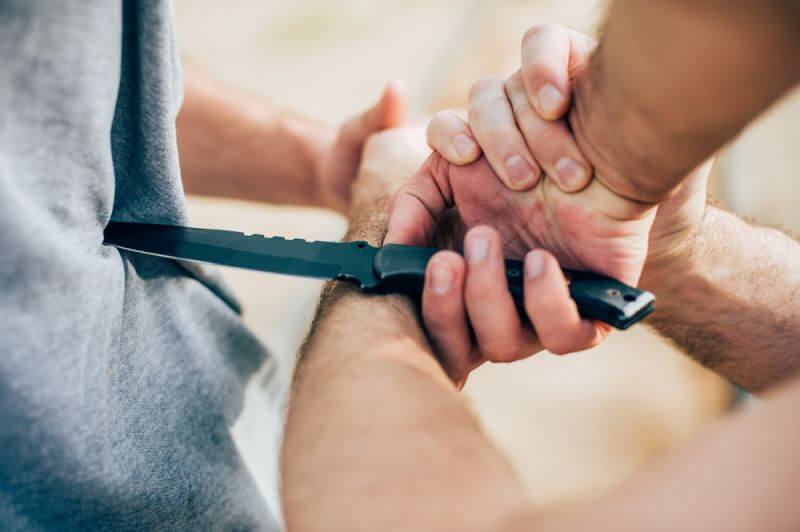
Know the law where you live. Understand when you may use force to stop an unlawful entry, when you must retreat, and when you must stop. Lethal or harmful traps have no place in a home plan. Legal layers win: lights, locks, alarms, dogs, neighbors, and non-lethal tools.

When trouble finds you
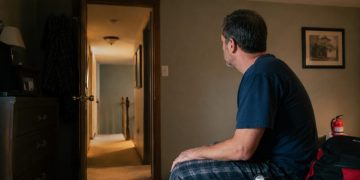
If someone tests a door or breaks glass, do the basics fast. Light the exterior. Lock interior doors. Move to the safe room. Call 911. Speak plainly: “Someone is trying to break in. We are at [address]. Send police.” Stay on the line. If contact occurs, use light to the eyes and spray to the face. Close and lock. Do not chase. Meet officers with empty hands. Give short facts while they are fresh.
The closing truth
The suburban bubble popped. Crime rides highways, not subway lines. A hard house and a tight street still beat a police response that starts miles away. Trim the hedge. Hang the light. Post the sign. Train the dog. Meet your neighbors. Stage the tools. Drill the plan. Do the work before the siren. That is how families sleep through the night and wake ready for the day.
Others Are Watching Now:


















































Homeless come from downtown on the subsidized public transportation wearing big backpacks . In the mornings, they are standing up straight. In the evenings they are leaning way forward. It’s going to get worse as society and the economy collapses.
As a former Australian Army operator who has deployed extensively with US SF, this is a brilliant post by Mr Deacon. For Christmas send his advice to your loved ones! Probably the best and most succinct advice I have read. Cover-off on each point and your loved ones will be very well prepared; you will become the harder-target for the bad guys. I have found too, that if you adopt the kind of approach Mr Deacon advocates, you will become more aware of your home’s specific vulnerabilities, your family’s profile, and how to best prepare your team so that Best Practice becomes Instantaneous Response. Good job Mr Deacon.
Good suggestions to follow
Thanks for posting.