






















Charcoal poultice is one of those remedies that keeps popping up in discussions regarding self-healing because it works. Long before clinics and antibiotics were common, most Amish families kept jars of charcoal powder ready for infections, boils, swelling, and even venomous bites. Even field medics used the same method when supplies ran out and infection threatened to take a limb.
A charcoal poultice is simple to prepare, requires only basic materials, and has a long track record of drawing out pus, reducing inflammation, and slowing the spread of infection.
Today, we’ll look at how charcoal works as a natural medicine and how to prepare the poultice correctly.

The Power of Charcoal as Medicine
Charcoal has been part of human survival medicine for thousands of years and it’s believed that Egyptians used it to clean wounds. In most recent times, frontier doctors carried it in their saddlebags when they rode across miles of rough country to reach injured families. Field medics in the nineteenth century relied on it when they had nothing stronger to fight infection.
Charcoal absorbs contaminants, toxins and bacterial waste by locking them inside its microscopic pores. This process slows infection and helps the body push harmful material toward the surface.
Modern activated charcoal is even more effective because it is processed to increase its internal surface area. A single teaspoon contains millions of tiny cavities that bind with the fluids that cause swelling, redness and pain.
So, when you turn that powder into a moist poultice and keep it pressed against damaged tissue, the charcoal begins to work immediately. It draws out fluids through gentle pressure and adsorption. It also creates a calm, cooling effect that helps relieve throbbing discomfort.
Charcoal shines in situations where swelling or irritation is the main problem. A poultice works well on insect bites, infected splinters, small abscesses, mild cellulitis, and early-stage boils. It also tempers inflammation around cuts that are beginning to show heat or redness. This is why the Amish still use it.
Charcoal is also valuable because it is stable for long periods, easy to store, cheap to buy and simple to make from hardwood in an emergency. When you mix it with clean water and apply it with a cloth, you create one of the most reliable natural treatments for surface level infections.
The trick to using charcoal properly is understanding what it can and cannot do. When used the right way, a charcoal poultice becomes a dependable part of your medical survival kit. It is one of the simplest remedies you can train your family to use in both daily life and emergency situations.
How the Amish Used It
Charcoal poultices have been part of Amish folk medicine since the earliest settlements in Pennsylvania and Ohio. Every farm produced wood, every woodstove created charcoal, and every family needed ways to deal with cuts, infections and farm injuries long before clinics were nearby.
Early Amish healers often burned hardwood in low oxygen pits to create a fine, clean charcoal. They crushed it with a wooden mortar and stored the powder in jars beside their other staples like plantain leaves, comfrey, calendula and homemade salves. When someone developed an infected splinter, a boil on the leg, or swelling from a puncture wound, the first treatment was almost always a charcoal poultice.
They used it because it worked on common homestead problems. Farmers often dealt with small infections from harness sores, barn chores, splinters from fence repair or knife cuts from kitchen work. A fresh charcoal poultice slowed the inflammation, calmed the heat and helped draw out pus before the infection spread.
The Amish also valued charcoal because it was safe and gentle. Children, livestock and elderly family members could use it without strong side effects. If the infection was deep or the swelling did not improve after several applications, the family sought professional help, but charcoal often prevented that need.
Even today, many Amish households keep powdered charcoal ready in their pantries. They see it as a first line defense, a simple and trustworthy tool that has helped their communities through generations of farm injuries and everyday infections.
Field Requirements
A charcoal poultice does not require fancy equipment and the key is to use fine charcoal and the right type of cloth to hold it together. While activated charcoal from a store works best, regular hardwood charcoal can still help in a pinch if you crush it into a very fine powder.
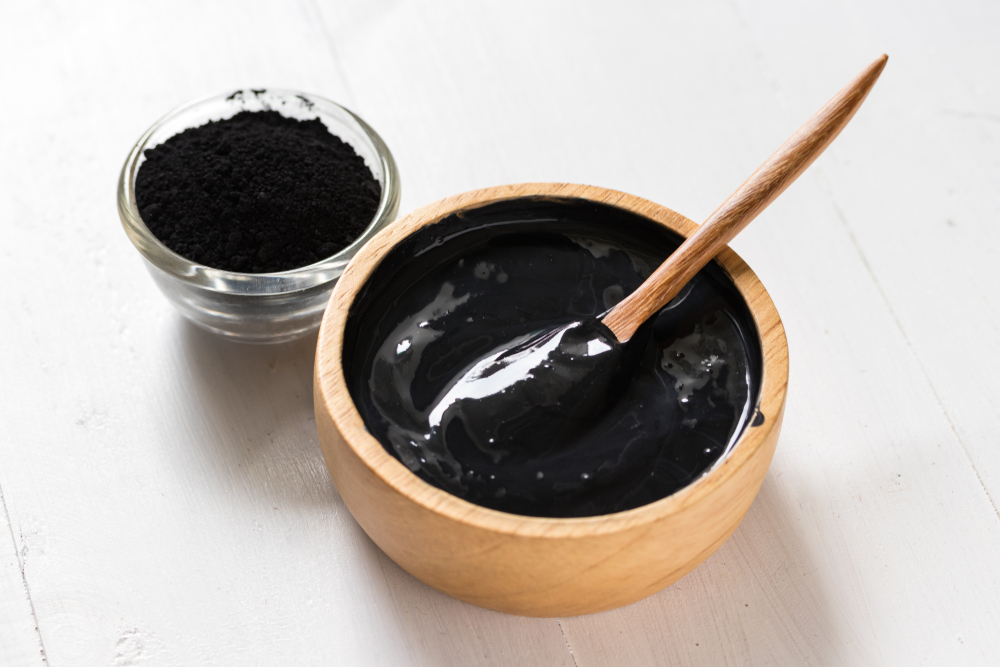
You only need a few basic items and you need to start with charcoal powder and clean water. Warm water mixes faster and gives a smoother paste, but cold water works if that is all you have. For the cloth, cotton is the simplest choice, but gauze, muslin or a piece of an old sheet can hold the paste without leaking. Never use paper because it tears easily and leaves fibers stuck to the skin.
A small bowl or cup is enough for mixing and many Amish homes keep a dedicated wooden or ceramic bowl for remedy making, but anything clean will work. A spoon or small stick can be used for stirring. In the field, medics sometimes mixed charcoal directly in the cloth to save time, but this usually leads to clumps. A separate mix gives you a more even consistency.
Once you have the charcoal, water and cloth, you are ready to prepare the poultice. The setup is simple, reliable and easy to repeat during a long treatment. In a crisis, these basic supplies can make the difference between a controlled infection and a serious medical problem.
Step-by-Step Guide To Make a Charcoal Poultice
Making the poultice is simple once you understand the proper proportions and folding method. The goal is to create a moist, uniform layer of charcoal that stays in contact with the skin without leaking powder into the wound.
Step 1: Place one tablespoon of charcoal powder in a small bowl and add one tablespoon of warm water. Stir until you get a smooth paste. The ideal texture is similar to thick mud, but if it’s too runny, add a pinch of charcoal. If it is too thick, add a drop or two of water.
Step 2: Lay a clean cotton cloth or folded gauze on a flat surface and spread the charcoal paste in the center. Keep the layer about a quarter inch thick because a thinner layer dries too fast and becomes less effective. A very thick layer takes longer to warm up and does not pull as well.
Step 3: Fold the edges of the cloth inward so the charcoal is enclosed on all sides but still close enough to the surface to make contact through a thin layer of fabric. This keeps the charcoal from sticking to the skin while still allowing it to draw out fluids.
Step 4: The side facing away from the skin should be covered with plastic wrap, waxed cloth or even large leaves in the field. This prevents moisture from escaping. A charcoal poultice works best when it stays damp for several hours.
Step 5: Place the poultice over the affected area. Use bandaging, tape or a strip of cloth to hold it firmly in place. However, do not bind it so tightly that it restricts blood flow.
Once secured, it is ready for treatment and can be warmed or kept cool depending on the need.
Charcoal Poultice for Infections
Applying a charcoal poultice correctly is just as important as making it. The poultice must stay moist, stay in contact with the skin and remain in place long enough for the charcoal to draw out fluids. The Amish and old field medics followed a simple routine that still works today.
For cuts, scrapes and mild skin infections, place the poultice directly over the hot or swollen area. The cloth should touch the skin but the charcoal paste should not. Hold it in place with a wrap that is snug but not tight. Leave the poultice on for two to four hours. If the infection is stubborn, it can be kept on overnight. Replace it with a fresh poultice when it dries or becomes warm to the touch.
For boils and abscesses, warm poultices tend to work better because heat increases circulation. The warmth helps the body push fluid toward the charcoal. To warm a poultice, place it near a warm surface or hold it briefly against a warm water bottle before applying. Do not apply the poultice so hot that it causes discomfort. Keep it on for several hours at a time and replace it two or three times per day.
For inflammation, swelling and insect bites, a cool poultice feels more comfortable and reduces redness quicker. A cool charcoal poultice applied for one to two hours can calm the area and slow the reaction.
Always watch the skin for changes. If the redness spreads quickly or the pain becomes severe, seek medical care. A charcoal poultice is a powerful helper, but it cannot handle deep infections or serious wounds alone. Used early and consistently, it can prevent small problems from becoming emergencies and buy time when help is far away.

My 2 cents
A charcoal poultice is one of the simplest and most reliable infection remedies you can keep in your first aid kit toolkit. The Amish trusted it for generations because it works with basic materials, needs no electricity and provides quick relief for swelling, heat and early infection.
With charcoal powder, water and a cloth, you can manage minor infections long enough to prevent them from turning serious or to buy time until proper medical care is available. I always tell people to earn this method, practice it and keep the materials stored at home. When the next injury comes along, you can give charcoal poultice a try.
Others Are Watching Now:



























































Go!!od review of Old Time medicine. I’m from Florida (1950s). This was a common home remedy, very reliable and simple. Thanks for the reminder