



















When the lights go out across America, the Amish would barely flinch. While the rest of the country would be scrambling for generators and batteries, they would hitch their horses, light the lamps, and carry on as usual. Their lives already run on a system that doesn’t depend on the grid.

There are about a quarter million Amish spread through nearly thirty states. They farm, build, trade, and worship without electricity. They are not anti-technology; they simply refuse anything that harms their community or makes them dependent on outsiders. Ironically, that mindset has made them the most prepared people in America for a nationwide blackout.
This is what a grid-down world would look like through Amish eyes, and what the rest of us can learn from them.
Communication Without Wires
If the power grid fails, cell towers go silent and the internet dies. For most Americans, that would cut off contact with the outside world. For the Amish, it would change almost nothing.
Amish homes do not have telephones. A few families might share a single phone in a small wooden booth at the end of the lane. Calls are made only when truly necessary. The rest of the time, communication is face-to-face. Neighbors visit each other. News travels by letter, wagon, or word of mouth at Sunday church gatherings.
When the grid goes dark, that old pattern will keep right on working. They already have a local network built on trust and proximity, not electronics.
Preppers can follow that model. Build real relationships with your neighbors. Set up in-person check-ins or a community bulletin board. Learn ham radio if you live far out. Have a meeting spot for emergencies. The Amish remind us that communication should never depend entirely on a power outlet.
Farming That Never Stops
The Amish farm as if the twentieth century never happened, and that is exactly why they would keep producing food after the grid collapsed. Their plows are pulled by horses. Their barns are built by neighbors, not contractors. Their crops, including corn, wheat, potatoes, and hay, come from fertile soil worked by hand and hoof.
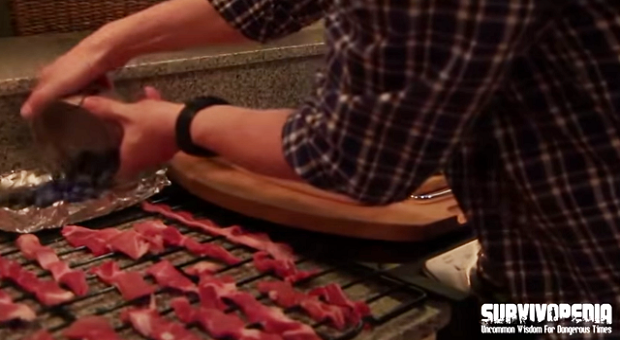
Each family keeps a large kitchen garden, and the women put up hundreds of jars of food every year. Meat is cured, milk is churned into butter, and vegetables fill root cellars. Livestock provide eggs, dairy, and manure to feed next season’s crops. Nothing requires electricity or diesel fuel to continue.
If diesel and fertilizer vanished tomorrow, the Amish would keep eating.
Preppers can copy the basics. Grow food that keeps well, such as potatoes, beans, and squash. Learn to can, ferment, and dry produce. Store seeds and hand tools. A small backyard garden or a few raised beds can carry you through short disruptions. The more food you can raise without a plug, the better your odds.
Home Energy the Old Way
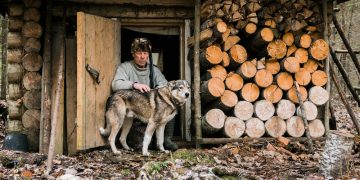
The heart of every Amish home is the stove. It burns wood or coal, heats the house, and cooks the meals. Firewood is cut and stacked months ahead.
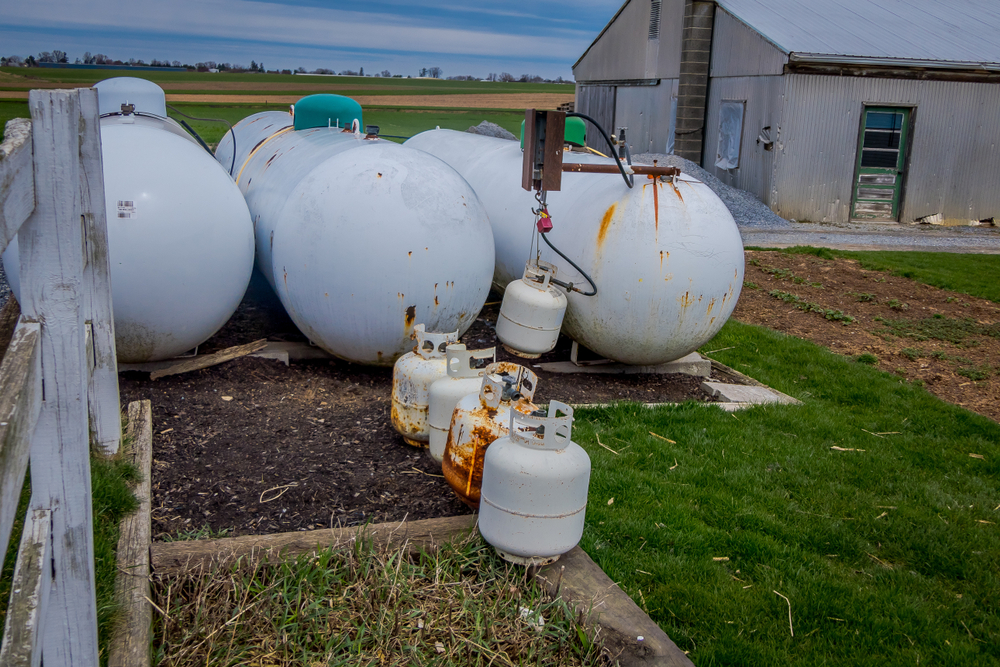
For light, they use propane or kerosene lamps, or in some cases small solar lights charged by the sun. In their words, they connect to “God’s grid.” No outside power company is required.
When the rest of the country goes cold, Amish homes will still be warm and bright.
Preppers can do the same on a smaller scale. A wood-burning stove, a propane heater, or a kerosene lamp is simple insurance against blackouts. Keep several ways to cook and stay warm.
Maintain your tools the way the Amish do: sharp, clean, and ready. A well-oiled axe is worth more than any gadget when the power goes out.
Transportation That Doesn’t Need Gas
Cars stop when fuel runs out. Buggies don’t.
The Amish rely on horses and wagons for travel and fieldwork. Every adult knows how to drive a buggy and handle a team. Their towns are built around walking and horse travel, so their daily routines continue whether or not the pumps have fuel.
For modern families, giving up cars may not be realistic, but we can plan smarter. Keep a bicycle, a wagon, or a low-tech vehicle that doesn’t rely on complex electronics. Store extra fuel safely. Shorten your supply lines. Buy food and materials locally so you can reach what you need without a tank of gas.
Strength in Community
What truly makes the Amish resilient is beside their tools or their stoves, it’s their people. They live by cooperation.
When a barn burns, the neighbors rebuild it. When someone gets sick, others cover the medical costs through church funds. They share food, labor, and skills until everyone’s needs are met. There are no government checks, no insurance companies, just a tight circle of mutual aid.
That kind of community is the strongest survival tool there is.
Preppers often focus on personal stockpiles and gear, but no one can master every skill alone. Start building relationships now. Trade knowledge. Organize workdays. Learn who in your area can repair engines, grow food, or give medical help. A neighborhood that works together will survive far longer than a single armed family behind locked gates.
Faith That Keeps Them Steady
When crisis hits, the Amish do not panic. Their faith teaches them to accept hardship with humility and to trust that God will provide. They call it Gelassenheit, meaning yielding to divine will. It keeps them calm when others are breaking down.
Their days follow a rhythm of prayer, meals, and work. Even in tragedy, they stay united. That spiritual strength is the invisible backbone of their survival.
You don’t have to share their religion to learn from it. Faith, purpose, or even a clear moral code gives you something to hold on to when life unravels. Discipline, gratitude, and belief in something bigger than yourself are the best mental preps you can store.

What We Can Learn
If the national grid went dark tonight, the Amish would barely notice. They already live the solution: local food, simple power, strong faith, and stronger neighbors.
For the rest of us, their example points the way.
- Grow food.
- Heat with wood.
- Keep tools that work without a cord.
- Build community.
- Keep your spirit steady.
We may not trade our cars for buggies or our clothes for plain wool, but we can learn their core lesson: independence through simplicity. The fewer systems you rely on, the freer you are.
When the grid goes down, the Amish will be fine. Follow their lead, and you might be too.
Others Are Watching Now:
















































There would be problems. Dairy requires refrigeration. Many Amish have that in the barn.
Actually, the Amish do not use rerigeration and handle multiple gallons of milk daily without it. Basically they use up perishable food as soon as possible. A lot of their milk is ” clabbered ” which means it’s left undisturbed on the kitchen counter for enough days to cause it to ferment and solidify. It then is raw yogurt or can be further processed into farm cheese or the cream skimmed for cultured butter. Milk doesn’t really go ” bad ” as we know it, but it does change flavor as it ages. And of course, if they live in a winter climate, they can take advantage of the lower temps as if it were refrigeration.
That applies to those farms that are commercially operating and yes, all that milk would be a problem. Generally, Amish have enough milk for their homesteads and it’s not a problem at all. Commercial dairies must comply with regulations as do non Amish dairies. So dairy farms across the board would be negatively impacted.
Their response would be short and simple: “Grid? What grid?”
Amazing people but hope they have firearms too and know how to use it.
Not completely true, even the Amish depend on our systems. First they oil lamps and other materials that when things go south will no longer be available. Second and even bigger problem is they are a nonviolent people who would be the first to be targets. Third even our early pioneer family’s depended on our system in supplying them a lot of materials for farming and other needs. The short reality is if our society breaks down is short order everyone on plant earth will be fighting for basic survival.
The Amish I know simply use the natural light when it’s available, and lanterns from their candles or oil from their tallow/lard. They may be non violent but they know how to protect themselves and have firearms. They aren’t stupid, for heavens sake. Adult Amish already have the infrastructure they need to function productively. They do not need to rely on chain of supply systems that we do. They have their resources already.
I agree. They will be much better off than most non-Amish but they still depend upon our technology.
I’ve found profound isolation is the choice of most into preparedness as identified by commonly spoken:
“me and mine”
“keep a low profile”
“stay under the radar”
I don’t see them being a preparedness community in preparation and even less likely with suspicions in the harsh times to come.
They will be lone wolves at great disadvantage.
Their preparedness isn’t actually preparedness as it is most often limited to “emergency preparedness” whis isn’t preparedness at all, though sharing the same word.
Actual preparedness is preparedness for change, but the mainstream of preparedness emphasize the fleeting and localized nature of “emergencies” as indicated by the short-term nature of their preparedness and their language on that such as:
“until things return to normal”
“until rescued”
In sharp contrast, my preparedness is for change which includes economic and societal collapse.
Adaptation is the key to survival and thriving in the future.
The Amish I know are very, very aware of the state of the country and have extremely adamant views on who should run it. This past election saw unprecedented Amish voters turn out – something that previously was not done. The election was thought to have been significantly influenced by their numbers. And no, they don’t function in terms of ” preparedness ” because it’s built into their day to day lives. I’ve lived with the Amish through snowstorms when the local power grid was out and they never skipped a beat, business as usual. As for not being savvy to the threat of maurading ill intended folk the Amish are suspicious of everyone not Amish, until they know who they are dealing with. If they trust you, that’s great. If they are the least bit distrustful of you, then good luck getting near them. Seems there are more myths than truths about them and their lifestyle/beliefs.
First, not all Amish have the same “rules”. There are conservative and liberals even among the Amish. Some liberal Amish use solar, might even use rubber tires. More conservative sects do not use any solar and must use steel wheels. So are allowed to use electric tools for their business but at home they must use non-electric tools. As far as the Amish being taken advantage of- there are “Sheep Dogs” who will protect them. I am well known in our local Amish Community, they talk and tell each other who they can trust etc. I was just over visiting the Amish neighbor’s last night. I have helped build an Ice house and wrangle cows that broke through the fence. We press apples together and My Amish neighbor and I love going to auctions together too. Great people who will have their struggles but not as bad as most non-Amish