











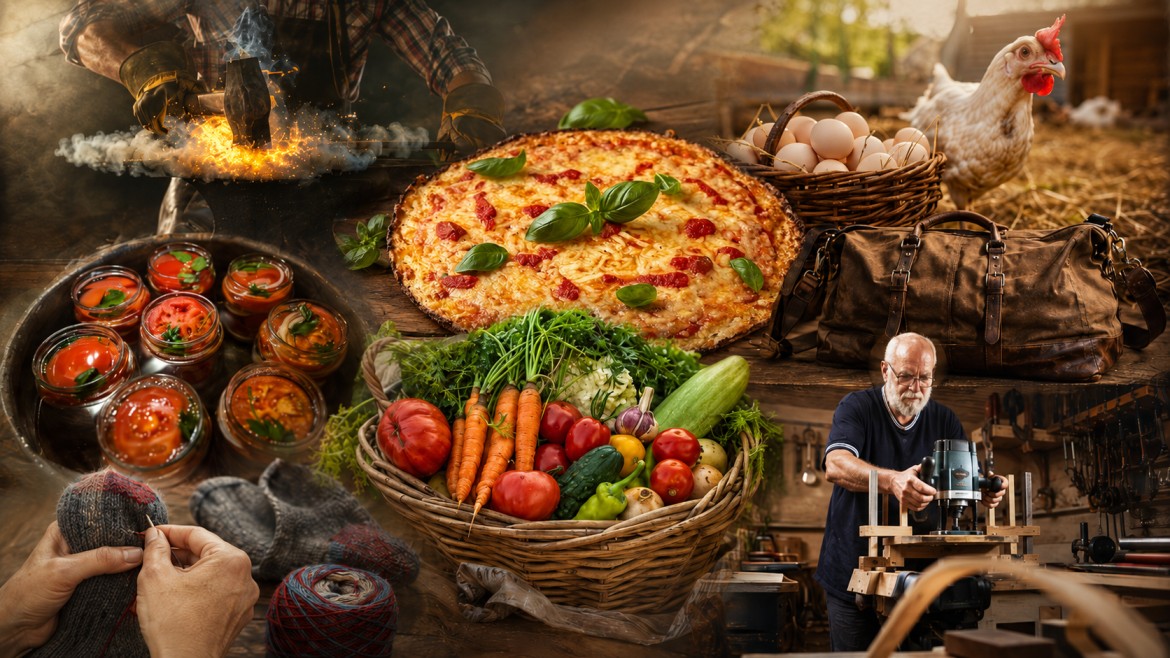
By its very nature, survival is a hands-on, Do-It-Yourself proposition. We evolved to improvise, adapt and overcome. We learn as we go, experimenting and tinkering, making many small mistakes along the way. The trick is to avoid the huge, life-ending mistakes and to learn from the small ones.
As social animals, we benefit from cultural knowledge and pass it down from one generation to the next. Even as hunter-gatherers, the individual members of the tribe began to specialize. Some members hunted and defended the tribe, others tanned the hides, sewed the clothing and gathered wild edibles. Still others specialized in medicine. Most tribes were nomadic, following animal migrations and moving on in search of resources.

As we transitioned to agriculture and the domestication of animals, specialization deepened and we reaped synergistic benefits where the whole of our efforts became greater than the sum of its parts. In the hunter-gatherer and agricultural phases, families and small villages were highly self-reliant, meeting most of their needs with a combination of the natural resources at hand and their own toil.
For nearly all of human existence, the vast majority of people who lived on Earth lived highly self-reliant, wilderness or rural lifestyles. The UN estimates that it was not until 2007 that more people lived urban rather than rural lifestyles. (Ritchie, Samborska, & Roser, 2025)
Only in the last 20 years or so, have the majority of humans abandoned self-reliant rural and wilderness life to live in large urban centers, dependent on fragile, manmade networks for virtually everything that they need to live. In this globalized, urbanized existence, the majority of humans are dependent on food, medicine and fuel shipped to them from half a world away.
Less than 2% of Americans grow any of the food they themselves. They have not only lost touch with where things come from, how they work and how they are made, but they are often dependent on their mortal enemies to provide them with virtually everything they need to live.
Some people are wide awake to these facts and are promoting self-reliance. Others are telling parents to stop teaching their children skills that they will no longer need. GPS will navigate for them, AI will think for them, write for them and tell them who to vote for, and robots will work for them, protect them and feed them whatever nutrient-poor, pesticide-rich GMO swill big agriculture, big tech, and big government are selling.
Fortunately, we’re not all sheeple. Many people are rejecting the path of dependence. Some folks are doing it vocally and in big ways. More of us are doing it quietly, little by little, in small ways. We are voting with our wallets by buying less but buying quality and buying locally. We are voting with our feet by leaving the big cities for more rural areas and choosing to homeschool our kids or send them to charter schools. And we are voting with our hands, by planting gardens, and engaging in self-reliant hobbies.
The Benefits of Self-Reliant Hobbies
Engaging in self-reliant hobbies fix many of the problems created by urbanization and globalization. Each self-reliant hobby makes us a little less dependent and more independent and more self-reliant. Over time, it adds up. Our kids understand food doesn’t come from the grocery store and that products aren’t all incomprehensible magic black boxes made in advanced factories in far-off lands.
- Being more self-reliant means that we don’t have to worry when the wind blows, the supply chain breaks down, or the power lines quit humming.
- It means we aren’t at the mercy of a home invader, hoping that the police will eventually respond.
- Self-reliant hobbies can also pride side income, turn into a career path, give knowledge workers new AI-proof jobs, or help keep us fed during emergencies.
- They mean that when the car breaks down, we reach for the toolbox instead of the credit card.
There are so many self-reliant hobbies out there that you are bound to find a few that you enjoy. I will list a few here, but I suggest doing a little research. If you can find a copy, the book Back to Basics is a great starting point. I see copies in thrift stores from time to time and picked up a couple copies over the years. (Reader’s Digest, 1981)
You don’t have to do everything yourself all at once. Just start small and let things progress naturally. Before long you will be pleased with the progress you’ve made.
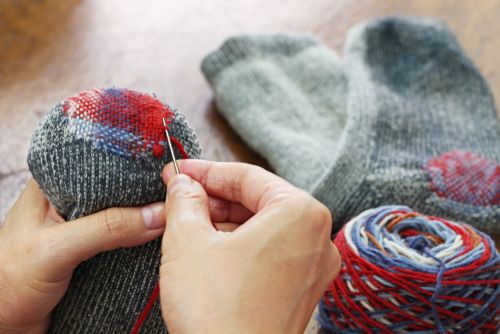
Sewing
The sewing needle with an eye was a game changing invention. It made it possible for our ancestors to sew properly fitting clothing to greatly expand our range and survive the ice age.
Everyone should become proficient at a few stitches, learn to sew buttons and darn socks. Sewing by hand requires very little equipment. When I was a kid, school children learned to sew and operate a sewing machine in school in home economics class.
There are many more sewing-related hobbies to learn. You can learn to spin yarn, quilting, weaving, dye yarn, cross-stitch, crochet and braid. You can learn to operate antique, modern and heavy-duty sewing machines capable of sewing leather goods, camping gear and load bearing equipment enabling you to customize equipment.
People used to spend a much larger percentage of their income on clothing that they do today, they spent a lot more time outdoors and were constantly repairing clothing. In my family, we purchased cloth and clothing patterns, and clothing was sewn at home. In many families, most clothing was home sewn.
In lean times, clothing must be taken in as you lose weight and then let out again in better times. Knowing how to sew also enables you to customize your clothing with hidden pockets and other special features.
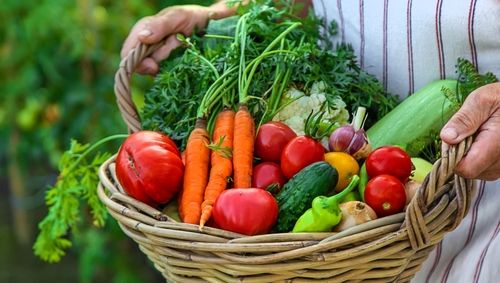
Gardening
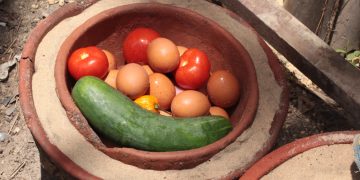
Gardening is a life skill everybody should learn. It is becoming the only ensure that your family is eating healthy food. Evidence is mounting that factory farming, monoculture, and widespread use of hybrid seed, GMOs and pesticides is making food less nutritious and causing and array of health problems.
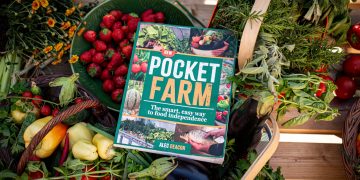
Gardening can start with a single potted plant or fruit tree. Fruit and nut trees produce the most food for the least effort of any food production method and were the first thing my grandparents planted whenever they bought land.
Start small and expand little by little. Then stockpile seed, soil amendments, and material to expand your garden in an emergency. This is a much more realistic plan than thinking that you’re going to till your lawn under and plant it with seeds from a can you bought online.
Once you have the basics down, learn about heirloom varieties and begin experimenting with saving seeds. Once you become proficient, the content of your bugout bag will evolve to include heirloom seeds because you will understand that you can rebuild everything else from the world around you, but those seeds ensure food security, and you wouldn’t think of heading out without them!
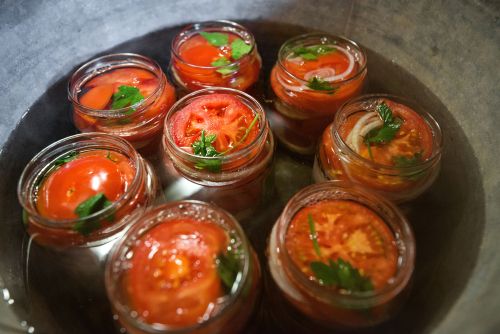
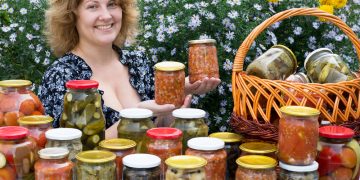
Canning
When you grow your own food in parts of the planet that have limited growing seasons, the food you harvest must be preserved to last the whole year. People have devised many ways to accomplish this while preserving flavor and food value, but home canning is perhaps the most important.
You will need to learn both the water bath and pressure canning methods and you’ll probably learn many other ways to preserve food besides, but canning and storing food is important to know so you can stretch your food supply through winter and through years of poor harvests.

Cooking
Some people no longer cook. They purchase prepared foods, eat out or have meals delivered to their door. Corporate America has turned the sheeple into convenience addicts and spends considerable resources keeping them hooked so they can profit from that addiction in every way possible.
If you’re not cooking, you’ve lost control over your food. You don’t know for sure which corners are being cut for sake of profit, but rest assured that they are and your body, mind, and pocketbook are paying the price.
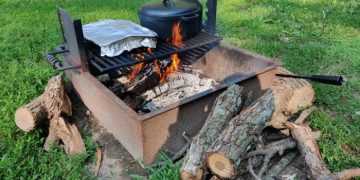
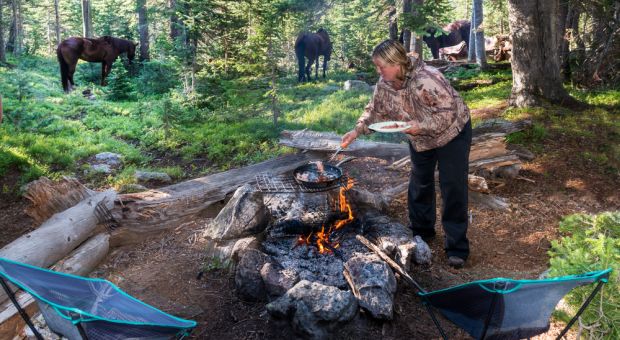
Learn to cook over coals with cast iron cookware. Learn to cook on a woodstove and a camp stove. Otherwise you may hit the learning curve in the middle of survival ordeal.
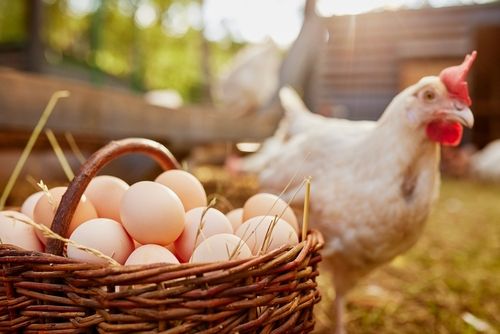
Raising Chickens and Livestock
Fruits, vegetables and nuts are great, but if you’re an omnivore, you’re going to want some eggs or meat to go along with your vegetables and raising a few chickens, rabbits and fish are some of the easier ways to get it.
As with the garden, start small and store materials to expand if needed.
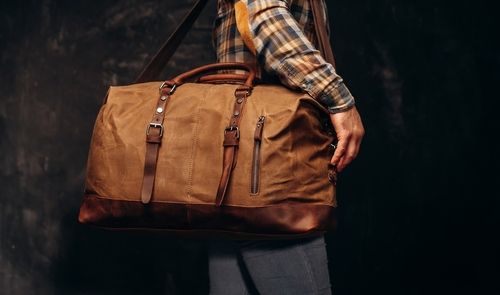
Leatherworking
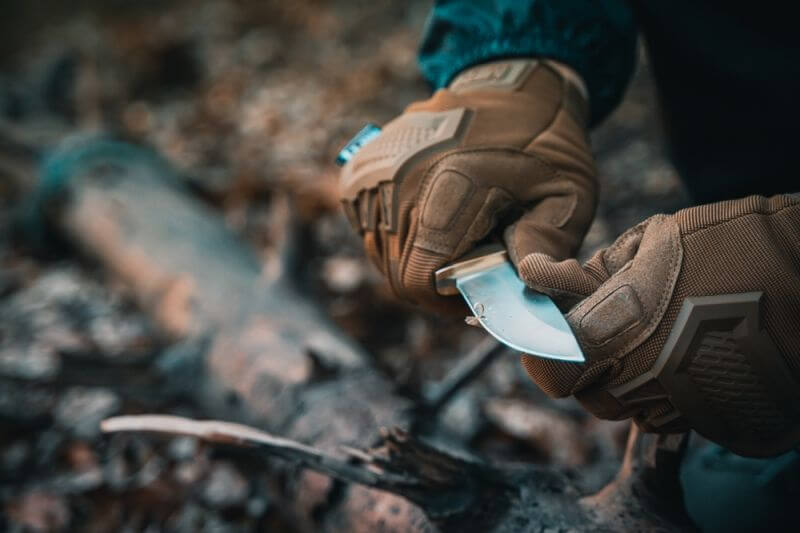
Leatherworking is great hobby. Knife sheaths, belts and holsters are fun to make and become treasured pieces of gear. Everybody used to understand the basics of tanning and working leather.
My wife is an artist and two of her favorite mediums are leather burning and wood burning.
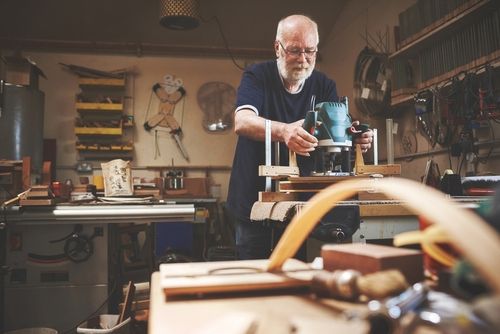
Woodworking
Woodworking is another wonderful hobby. Unlike cheap MDF furniture mass produced today, solid wood furniture is durable, easily repaired, beautiful, and passed from generation to generation. My family treasures many pieces made by my great grandfather.
Every home should have a workbench, a portable carpenter’s vise, and a set of hand tools. You can start with two sawhorses, a pair of 2×4’s and a sheet of plywood for a workbench and build a solid workbench as a project. You can acquire power tools over time based on what you need most.

Metalworking
There are many metalworking hobbies to master but start based on your needs. When you need to make or fix something, study how to do it and acquire the necessary tools and supplies. Soon you’ll have all the most important and most useful tools.
YouTube is a great resource for learning to DIY but also acquire a small library of books in case we have to rebuild the world from scratch someday.

Other important self-reliant hobbies include:
- Automotive Repair and Maintenance
- Construction
- Self-defense
- Reloading
- Camping and Backpacking
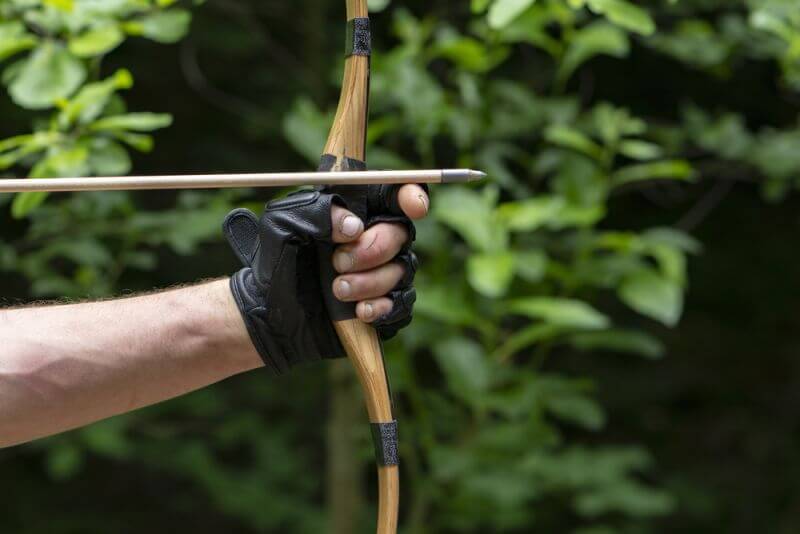
- Hunting, Fishing & Trapping
- Wood Cutting
- Wild Edibles
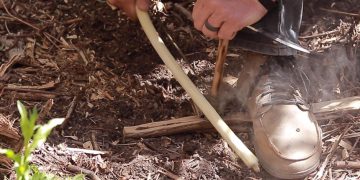
- Primitive Survival Skills
- Solar Power & Basic Electrical Work
- Radio Communications
Summary
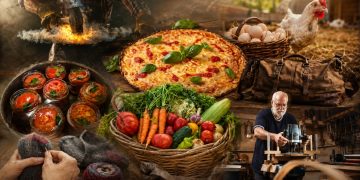
Common hobbies like sewing, woodworking, gardening, canning, and leatherwork can become barter, side income, and critical repair skills in hard times and is important that these skills be passed on to future generations.
Others Are Watching Now:





References
Reader’s Digest. (1981). Back to Basics: How to Learn and Enjoy Traditional American Skills, 2nd Ed. Pleasantville, New York: Reader’s Digest Association, Inc.
Ritchie, H., Samborska, V., & Roser, M. (2025, March). Urbanization. Retrieved from ourworldindata.org:
https://ourworldindata.org/urbanization








































I have all of those skills and much more. I collect and develop skills and the best of equipment. The gardening and animals will have to wait until I move. I have a lot to trade and barter for animals. I have more seeds and in more varieties than anyone I know. Until I get that started, my fishing will serve me well in the interim with quality protein.